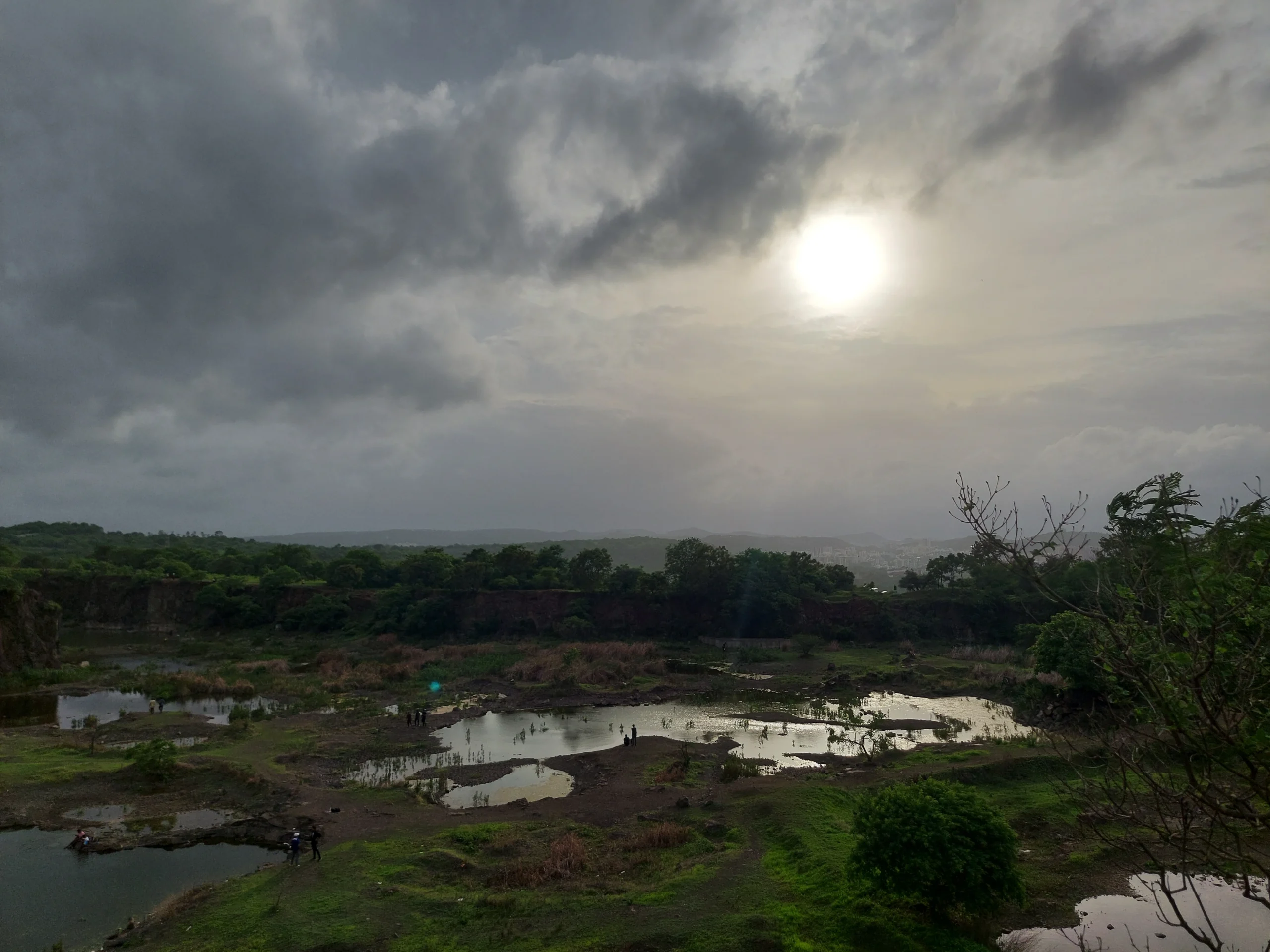
ARAI Hills, better known to many Punekars as Vetal Tekdi, rises like a wild green island above the city—a rare stretch of open hillscape where Pune still feels close to its natural roots. Reaching about 2,600 feet above sea level, this elevated urban landscape forms part of one of the city’s most important biodiversity zones, with a mosaic of dry deciduous scrub, rocky grassland, scattered woodland, seasonal water bodies and exposed basalt slopes. In the monsoon, the hills soften into green with seasonal herbs, grasses and flowering plants; in the dry months, the terrain reveals its tougher, more dramatic character. Native shrubs, hardy grasses, fig and neem, acacia and other dryland trees share space with planted and invasive species, creating a layered habitat that supports a surprising range of life in the middle of a fast-growing city. Pune’s own biodiversity surveys have repeatedly highlighted ARAI and nearby hills as ecological hotspots, underlining just how much life survives here despite the urban setting.
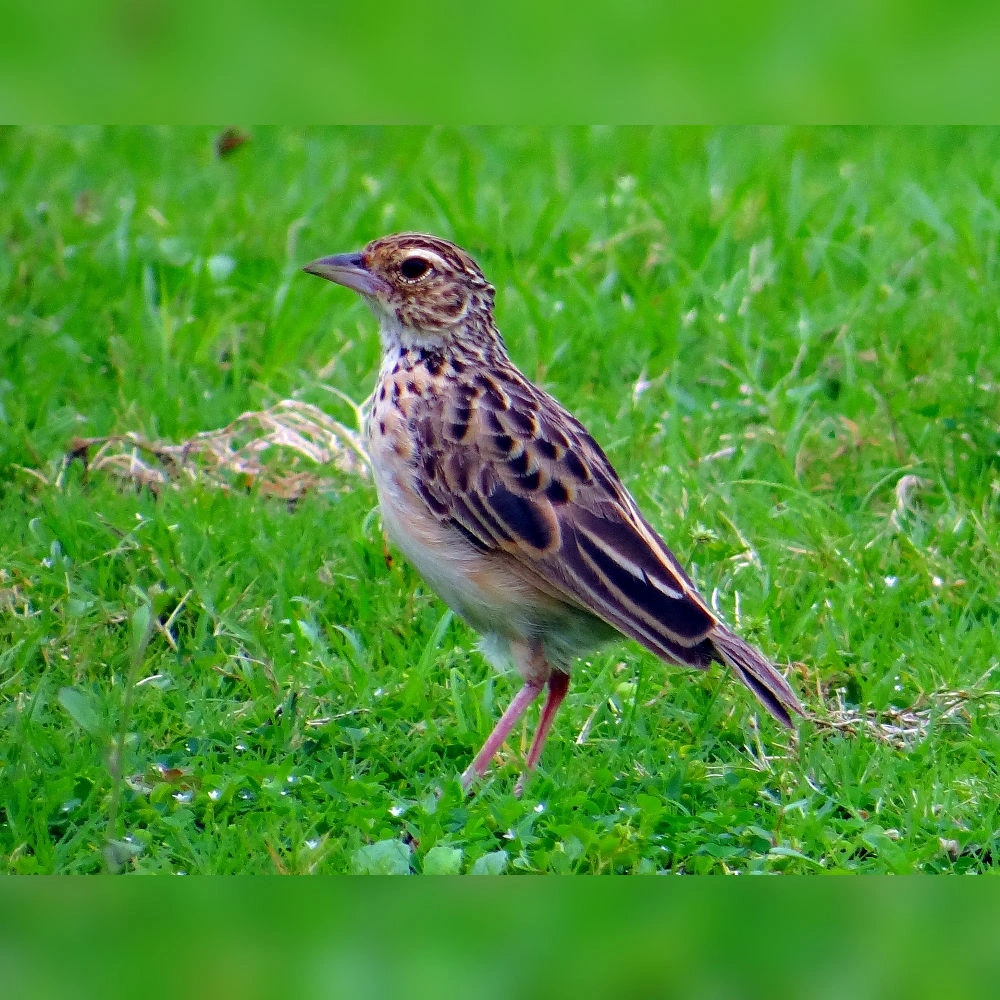
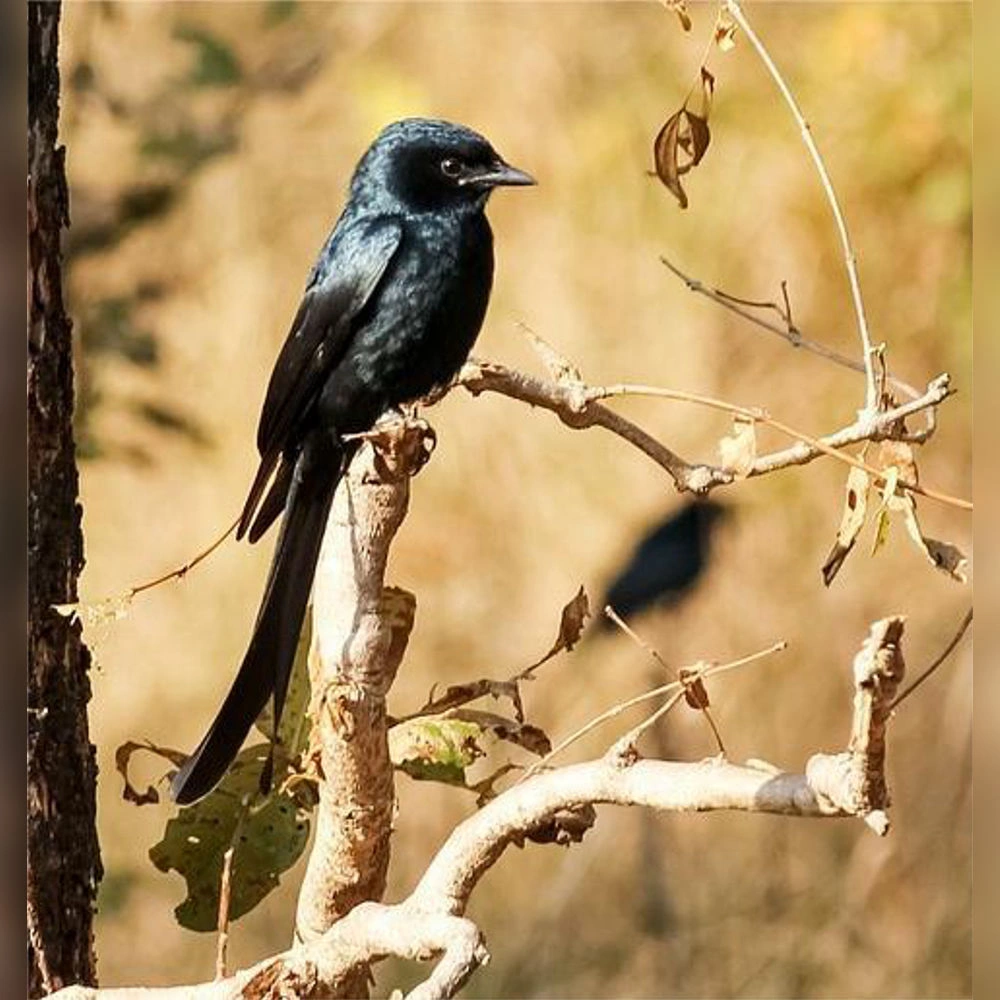
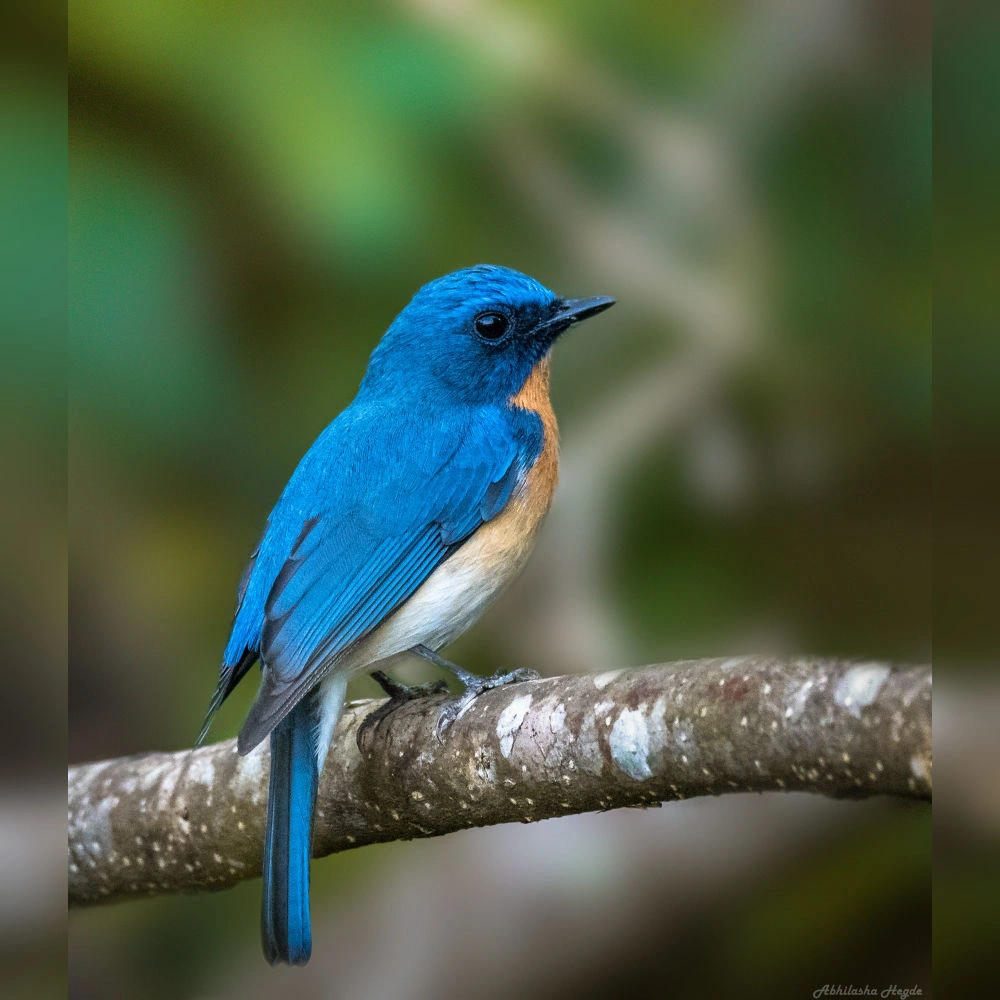
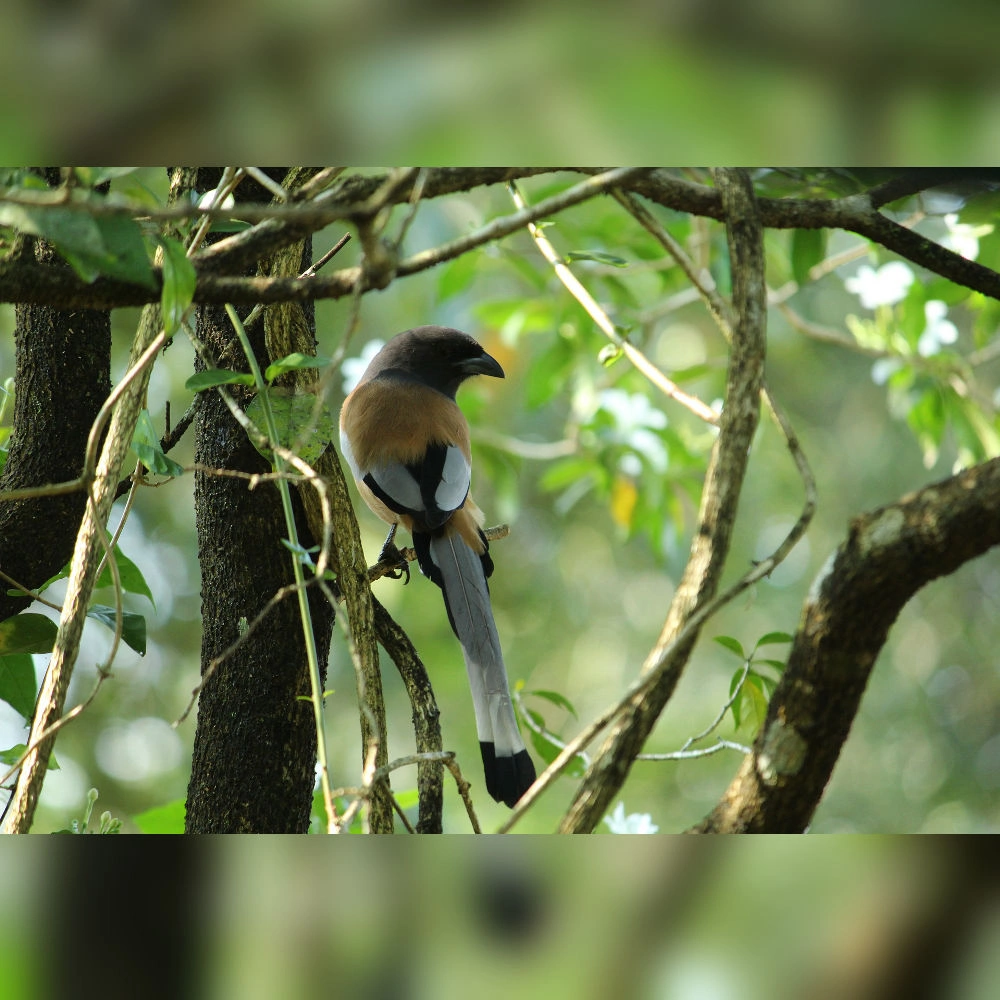
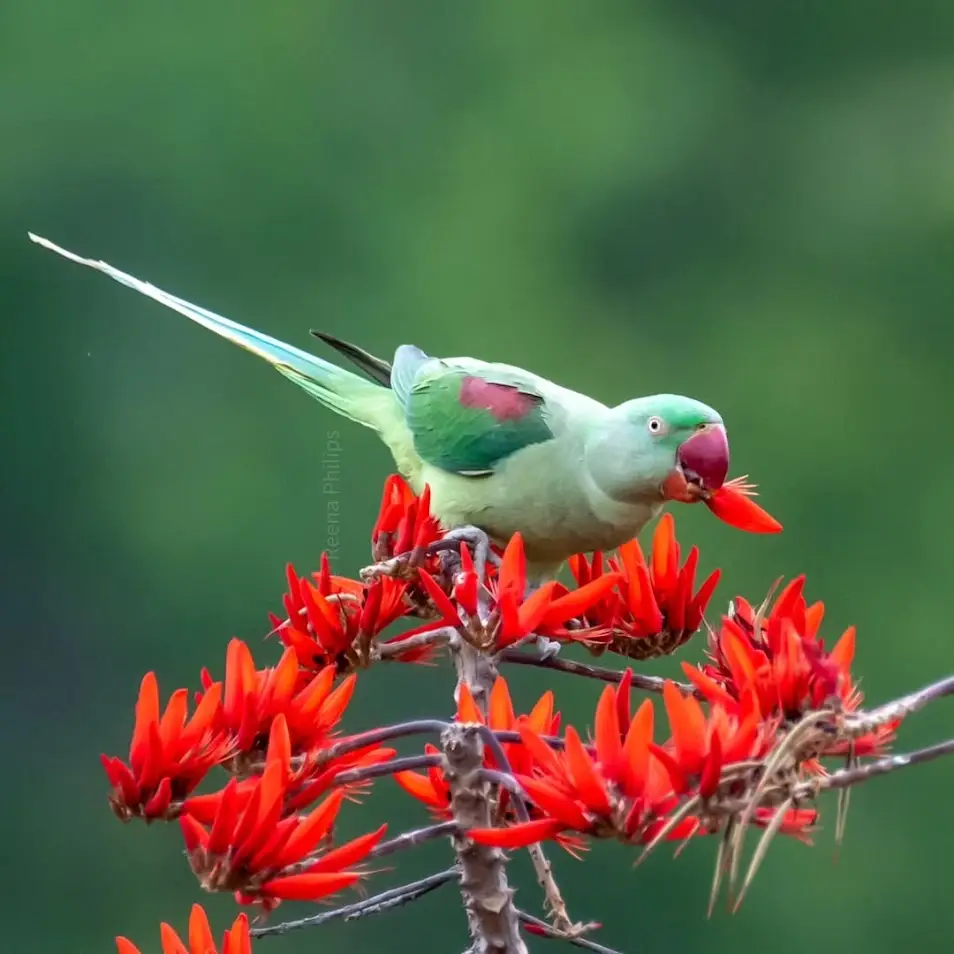
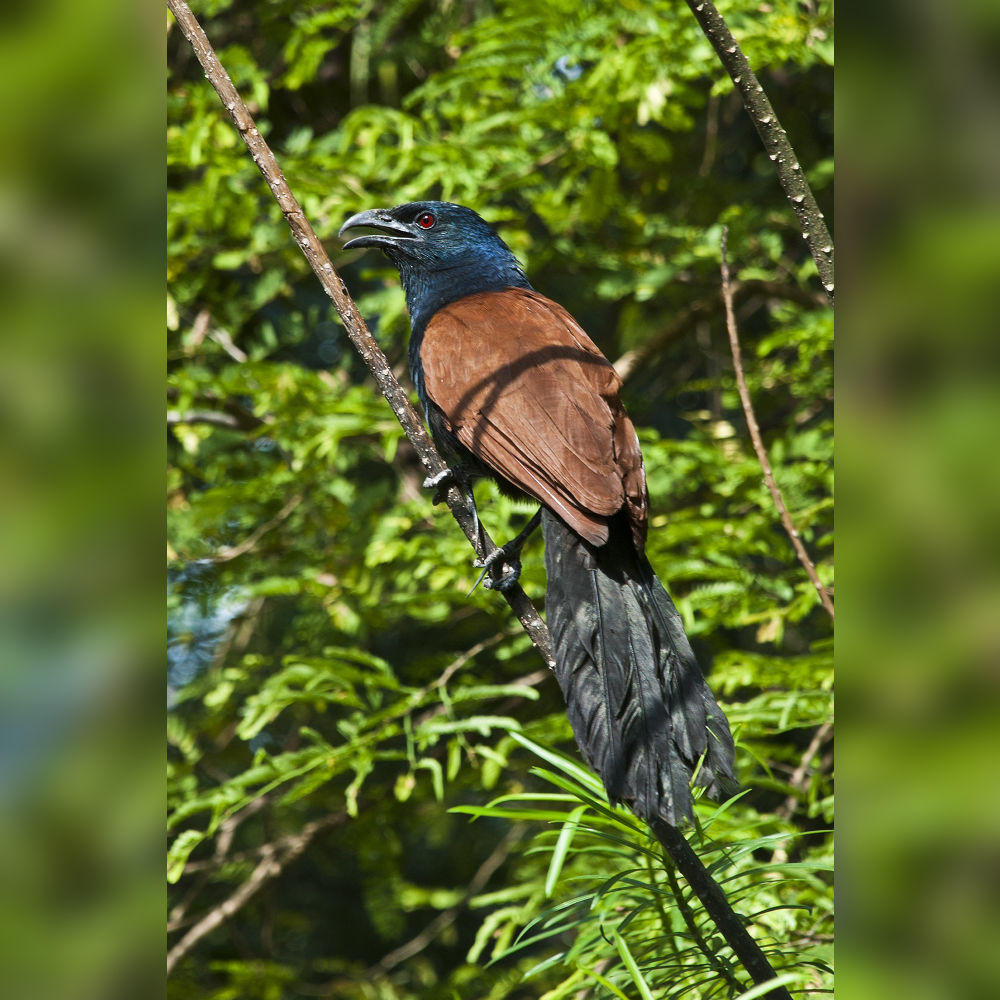
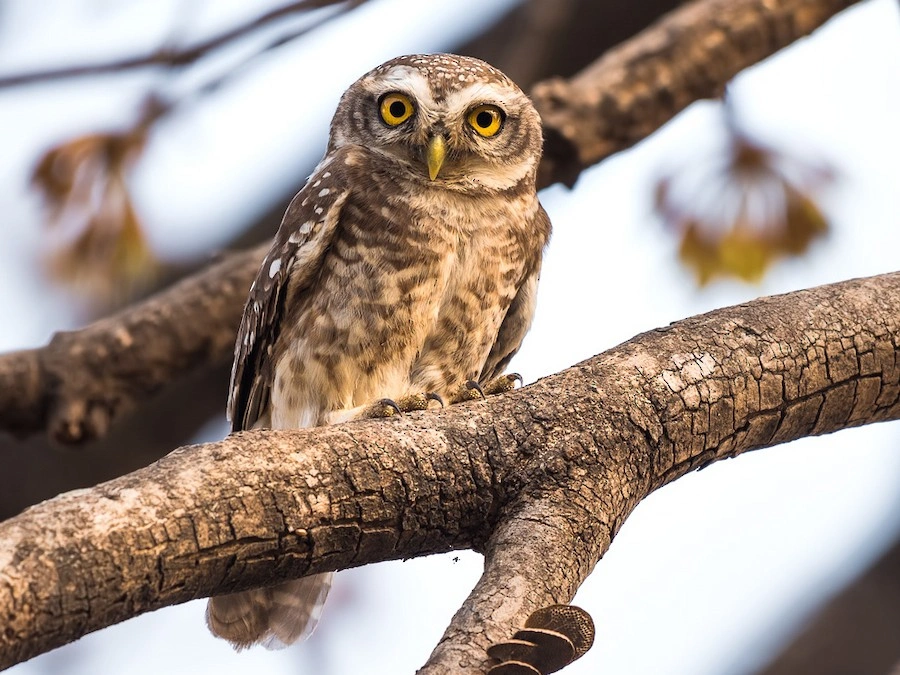
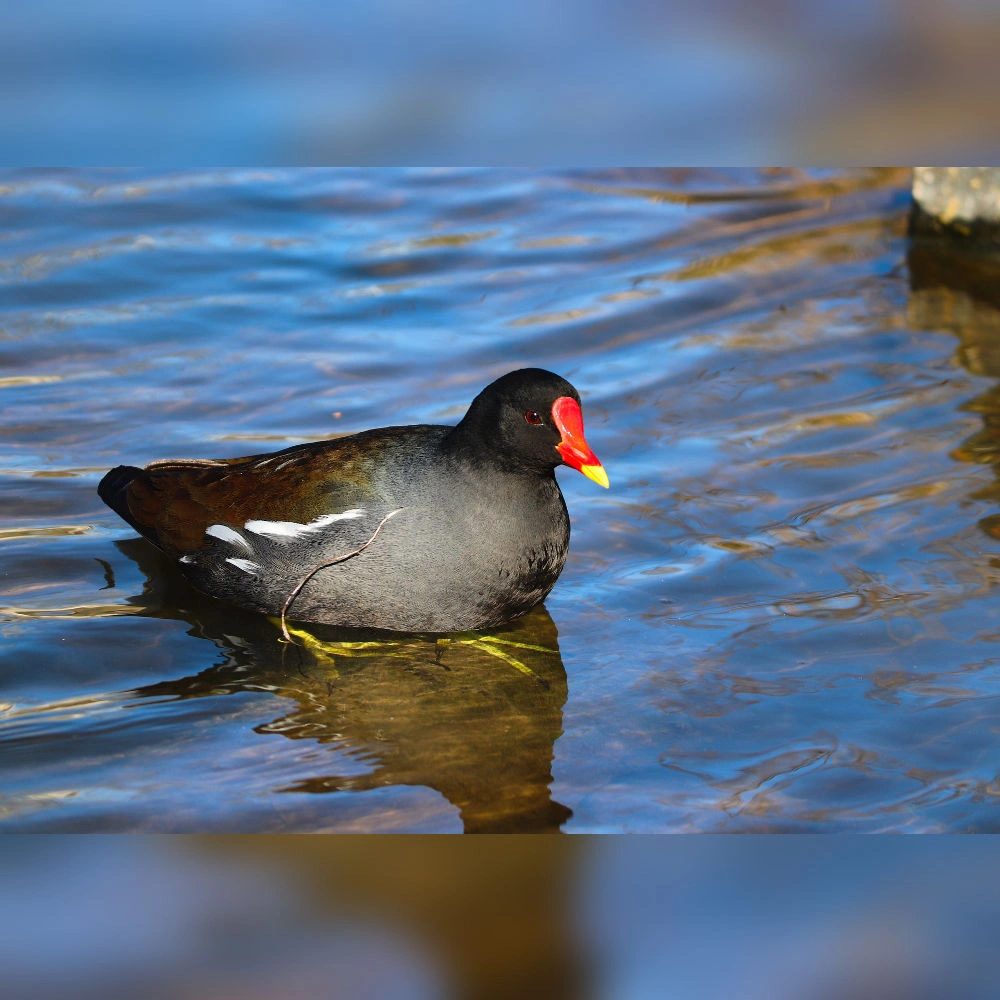
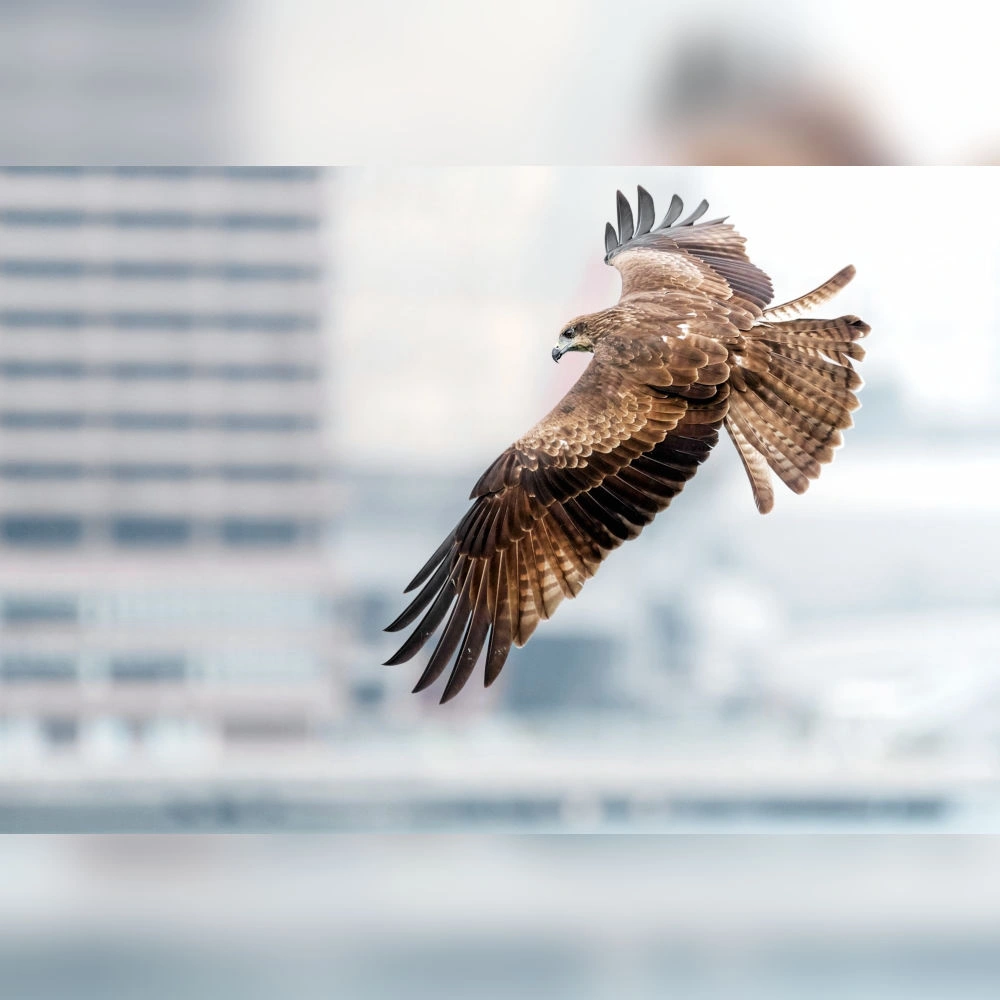
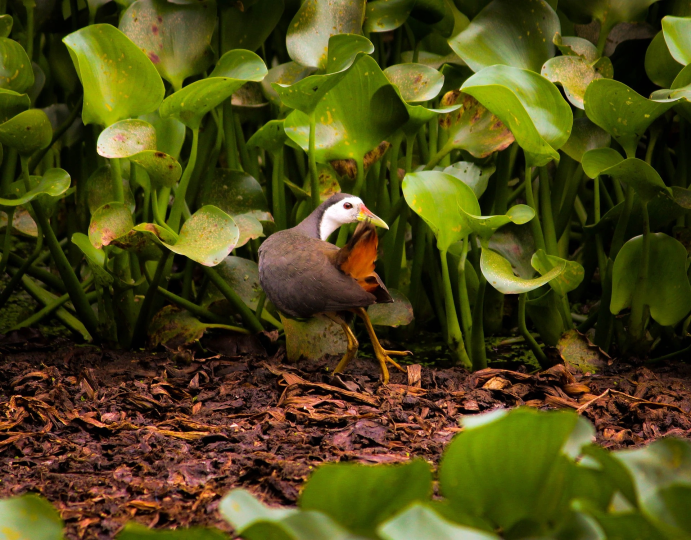
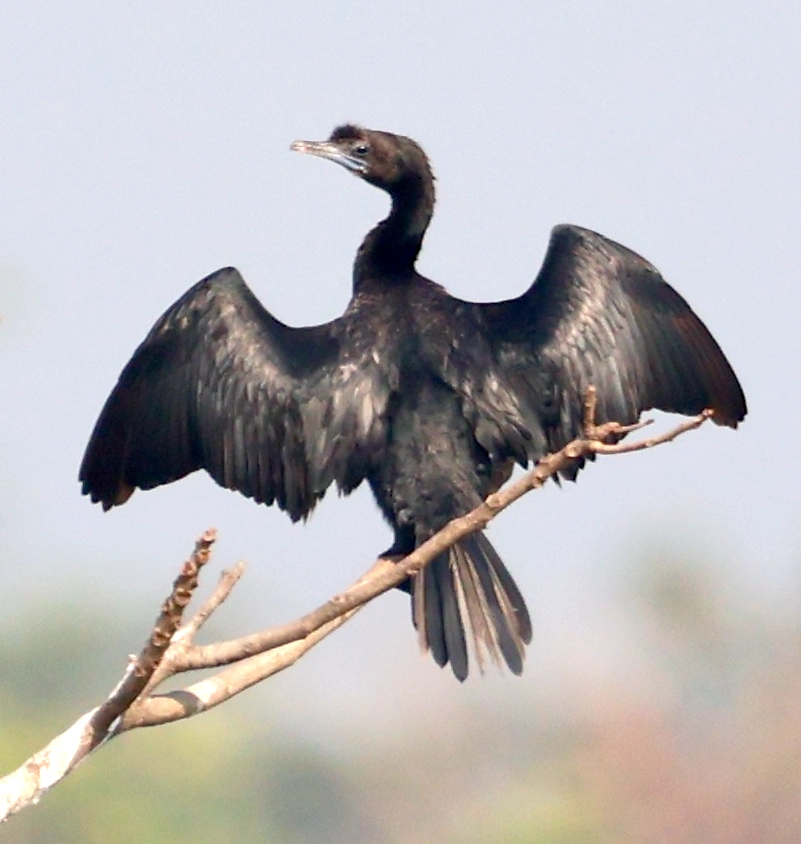
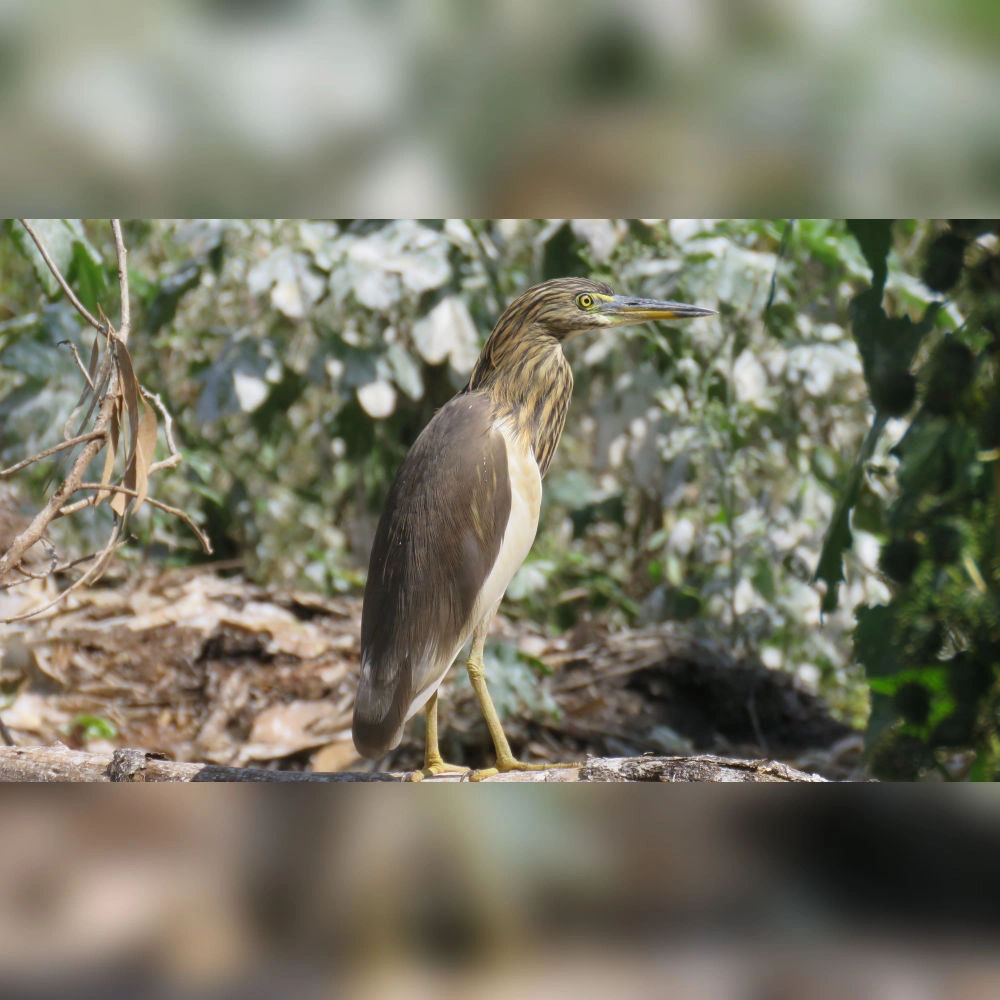
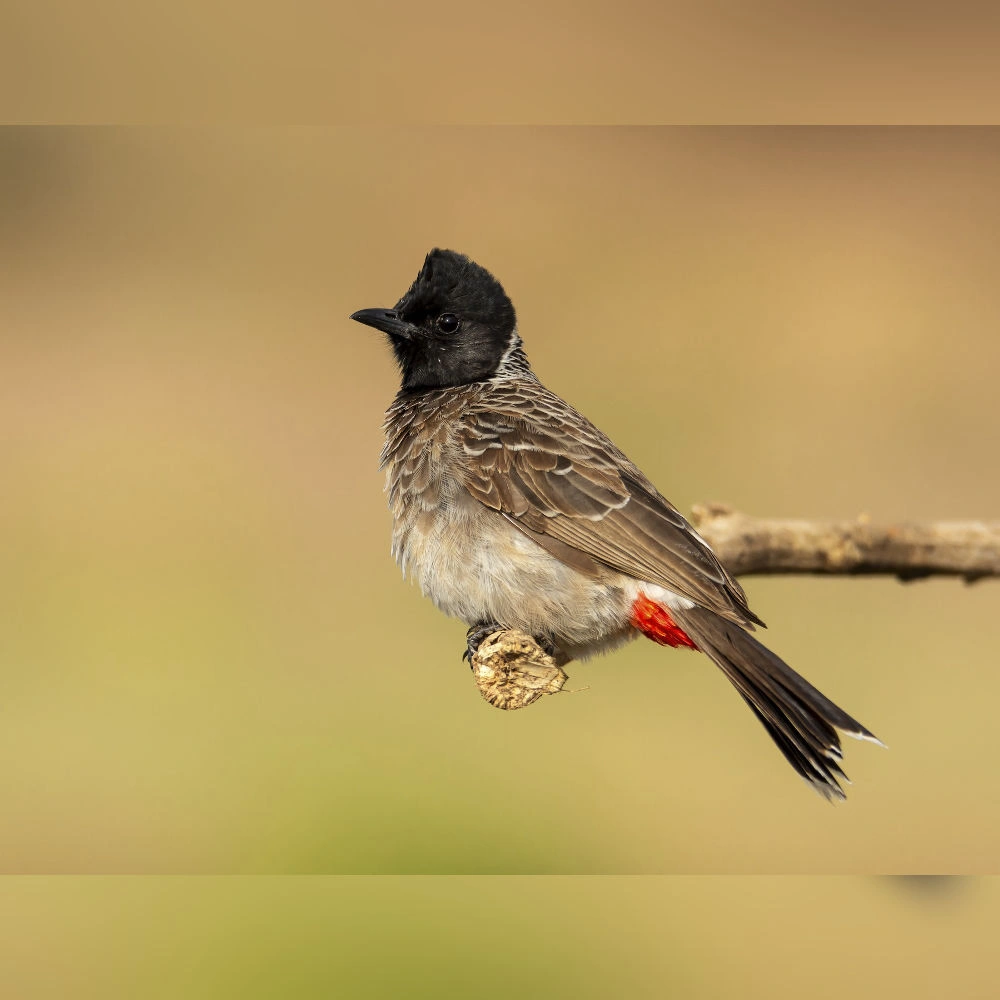
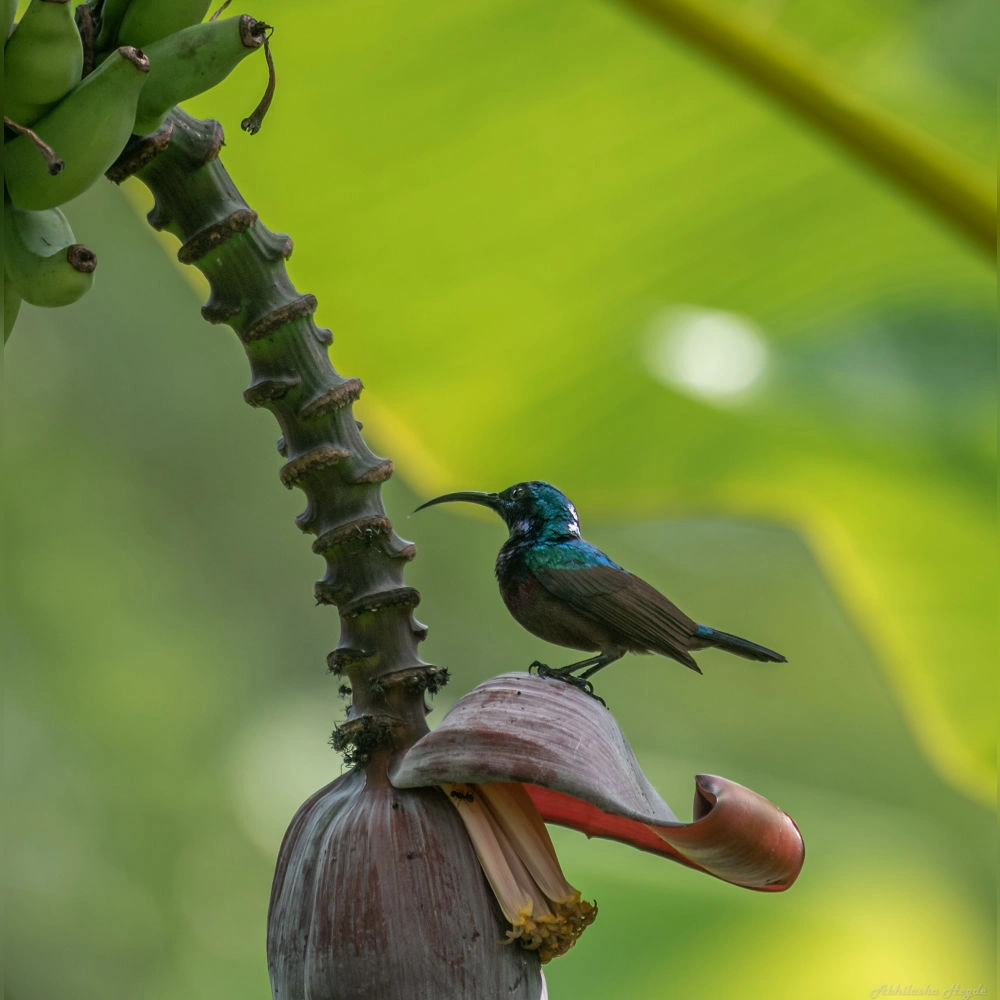
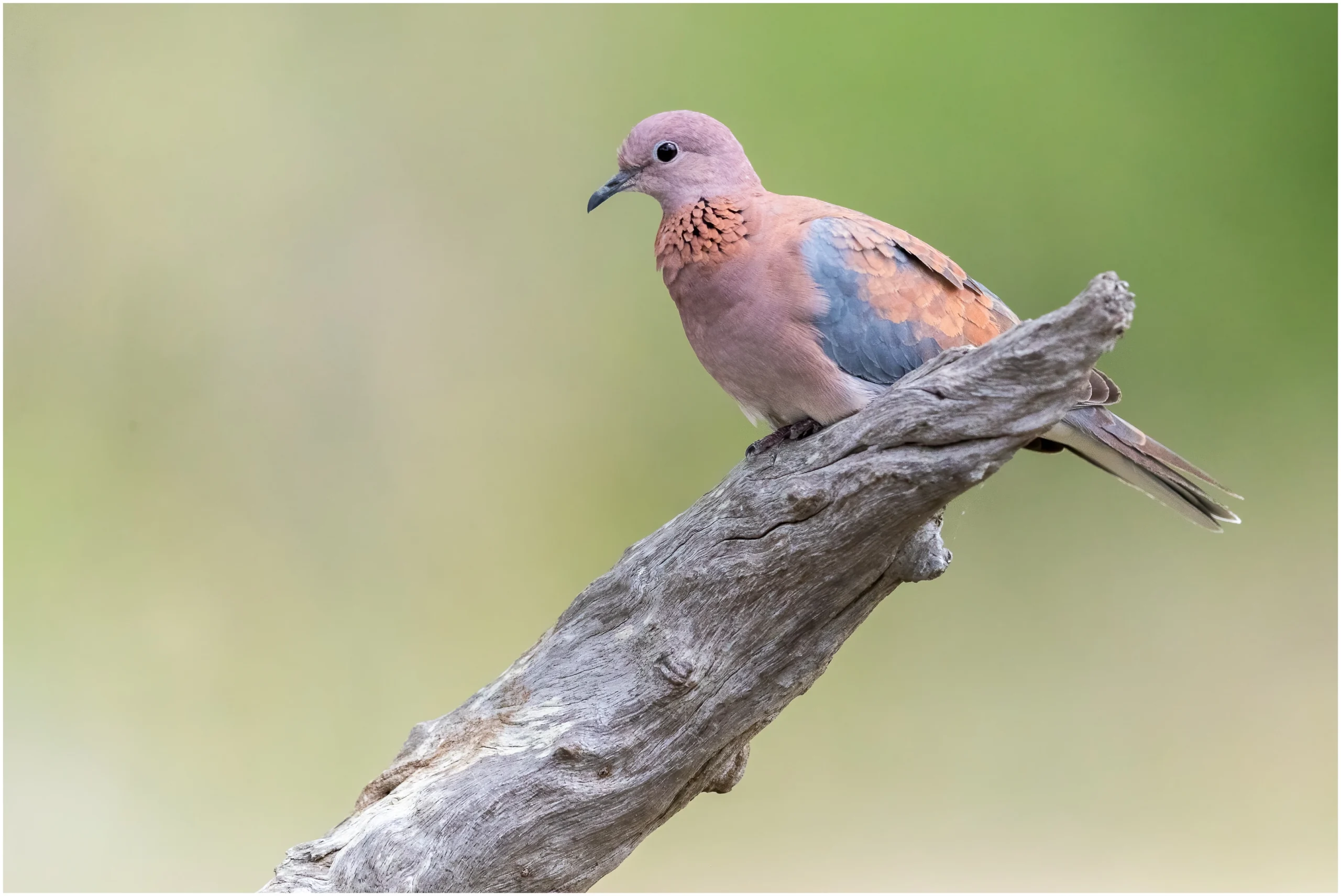
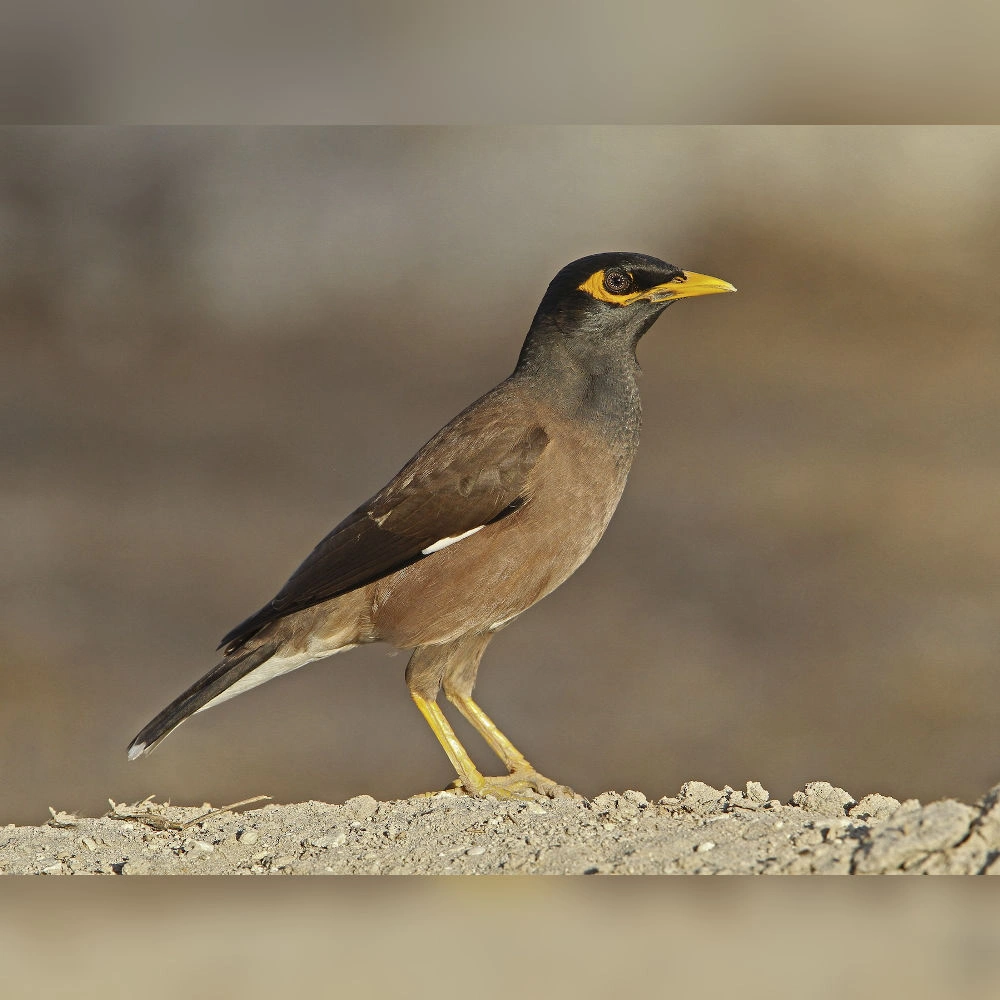
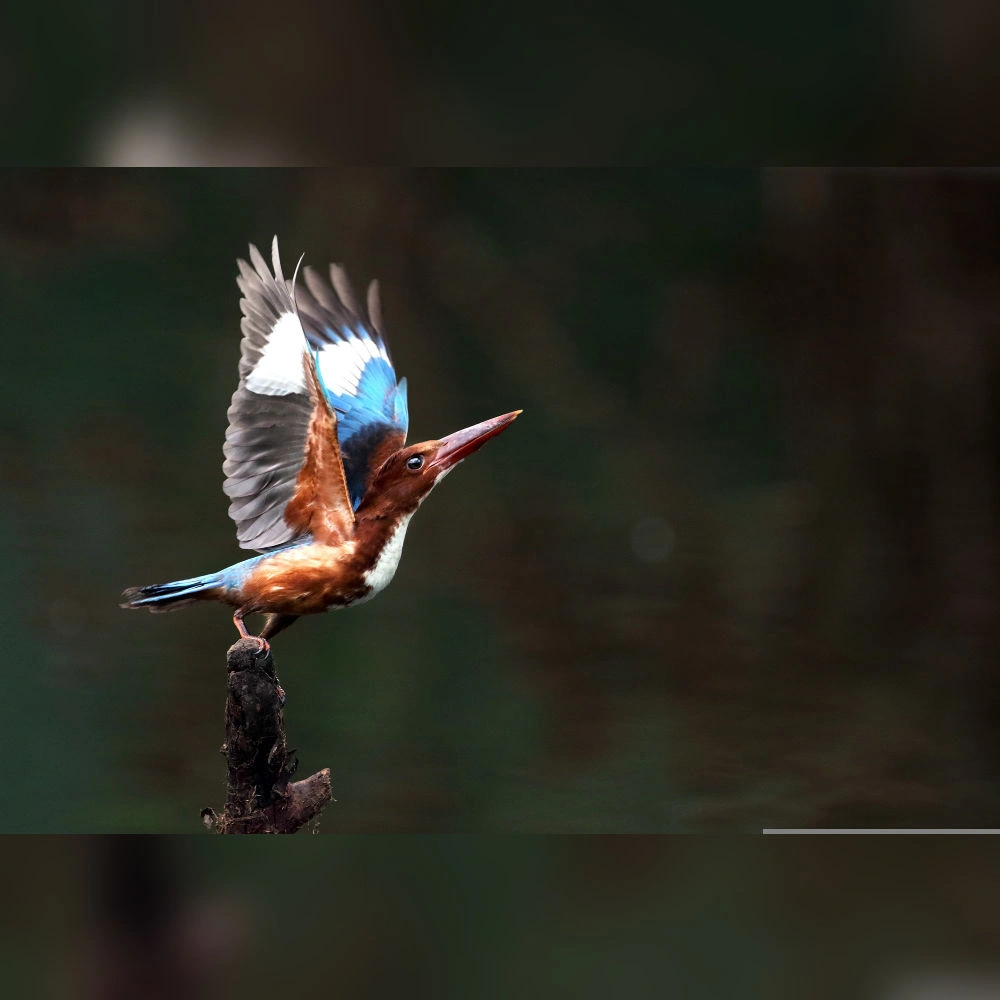
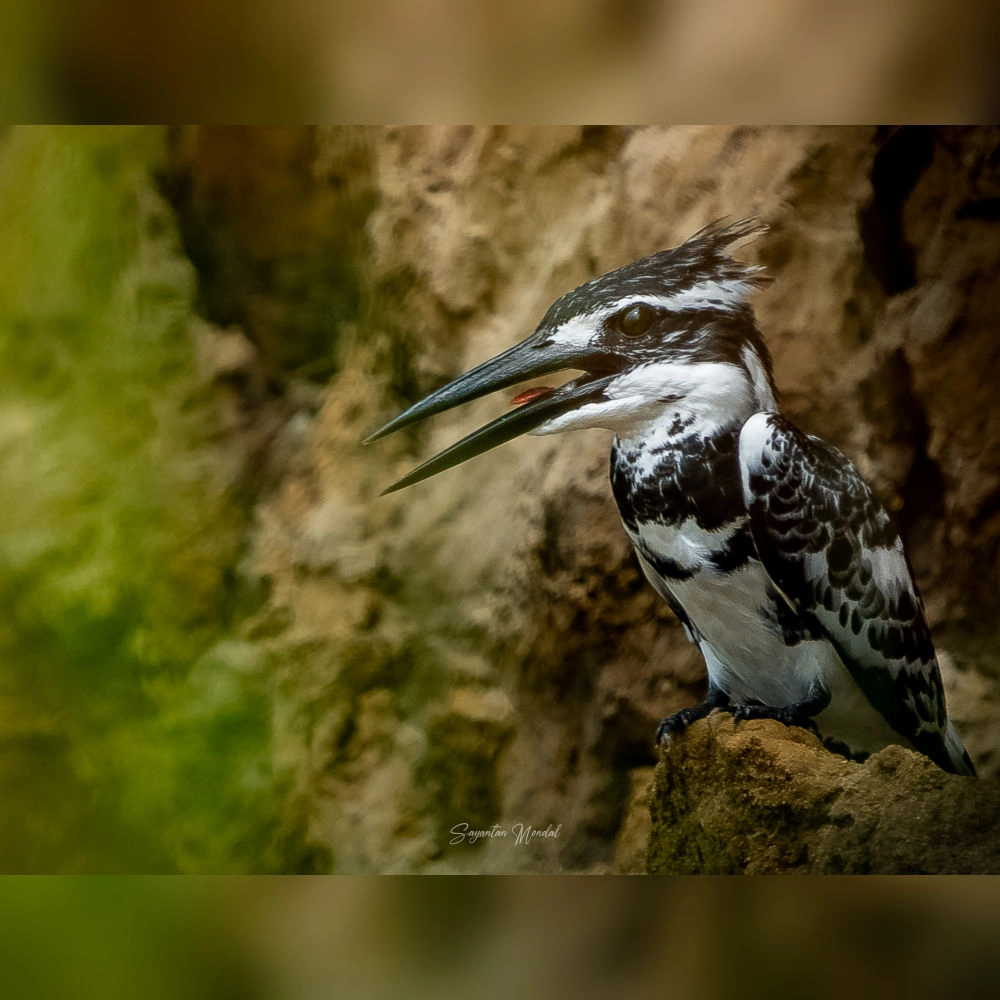
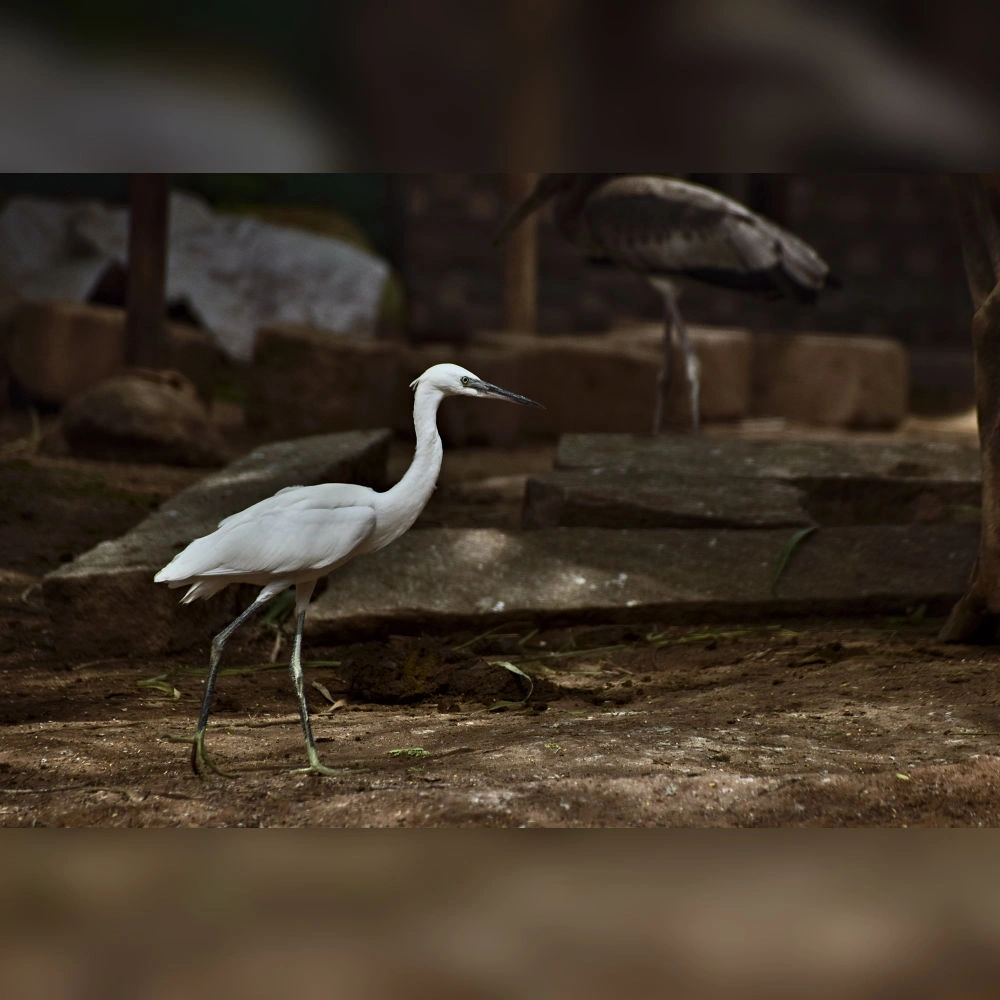
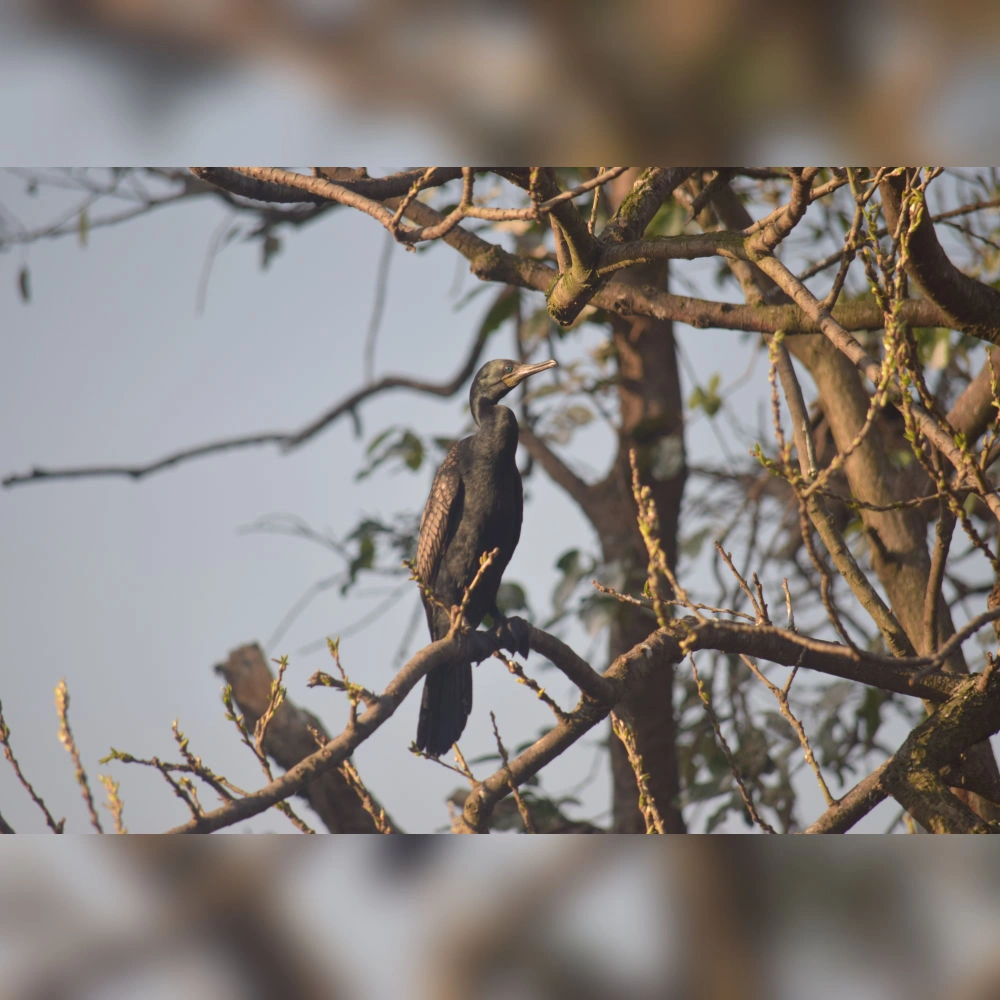
ARAI Hills is a remarkably rewarding birding patch, with 283 bird species recorded overall, and even its more commonly seen birds reflect the variety of habitats packed into this urban wilderness. Open scrub and rocky slopes often hold birds such as the Paddyfield Pipit, Ashy-crowned Sparrow-Lark, Black Drongo, and Laughing Dove, while wooded patches and shaded trails can surprise you with species like Tickell’s Blue Flycatcher, Rufous Treepie, Large Gray Babbler, Purple Sunbird, and the ever-familiar Red-vented Bulbul. Overhead, Black Kites circle on warm air currents, and tree cover may reveal Alexandrine and Plum-headed Parakeets, Greater Coucal, or even a watchful Spotted Owlet tucked away in the daytime. Seasonal wetlands and water edges add a completely different layer to the birdlife, attracting birds such as the Indian Spot-billed Duck, Common Moorhen, White-breasted Waterhen, Little Cormorant, Indian Cormorant, Little Egret, Indian Pond-Heron, White-throated Kingfisher, and Pied Kingfisher. Together, these species make ARAI feel wonderfully dynamic—part grassland, part scrub forest, part wetland, and always alive with the possibility of something interesting just around the next bend.