
Bird Walk at Harkot Forest, Munsiyari, Uttarakhand
- Munsiyari
- 12 April, 2026
- Rs 300/- per head
- Fee collected goes entirely to the bird guide. Ataavi does not retain or profit from this amount.
About Harkot Forest
Set above Munsiyari in the high Kumaon Himalaya, Harkot Forest feels like the kind of place where the mountains still decide the rhythm of the day. Rather than one sharply bounded “forest block,” it is best understood as part of the wider mid- to high-elevation Himalayan forest landscape around Harkot and the Thamri–Munsiyari belt, lying roughly in the 2,200–3,000 m zone where cool slopes, ridgelines, and moist hollows create excellent habitat diversity. Here, oak, rhododendron, and mixed temperate broadleaf forest blend into conifer patches, scrubby edges, and clearings, producing a layered habitat that is visually dramatic and ecologically rich. In spring and early summer, flowering rhododendrons and dense mountain undergrowth give the forest a vibrant, almost storybook quality, while mossy trunks, leaf litter, and old trees support insects, small mammals, and a wide range of Himalayan birdlife. The wider Munsiyari region is also known for exceptional biodiversity and sits within an internationally important bird landscape associated with the Gori basin.
For birders, Harkot Forest is one of those places where every bend in the trail feels full of possibility. It is especially rewarding for forest birds and mid-altitude Himalayan species, with the surrounding Munsiyari landscape celebrated for pheasants, laughingthrushes, finches, bush-robins, accentors, woodpeckers, and raptors, alongside the constant soundtrack of smaller woodland birds. Even when a rare species does not appear, the experience remains memorable because the habitat itself is so alive—with shifting light, calls from the canopy, and sudden movement in the understorey. The main threats are those increasingly faced by Himalayan forests: road expansion, unplanned tourism, litter, fire risk, habitat fragmentation, grazing pressure, and the long-term effects of climate change on sensitive mountain ecosystems. Conservation here depends not only on formal forest protection, but also on responsible tourism, intact trail ethics, protection of mature native trees, and strong local stewardship—something visitors to the Harkot–Thamri side of Munsiyari often notice and appreciate. Protecting these forests means protecting not just scenery, but one of the most atmospheric birding landscapes in Uttarakhand.

Bird Guide: Kamlesh Singh Dhokti
With three years of birding experience, Kamlesh Singh brings a sharp eye, growing field knowledge, and genuine enthusiasm to every walk and observation. His bird guide introduces readers to the avian life of the landscape in an accessible and engaging way, encouraging both appreciation and awareness of local bird diversity.
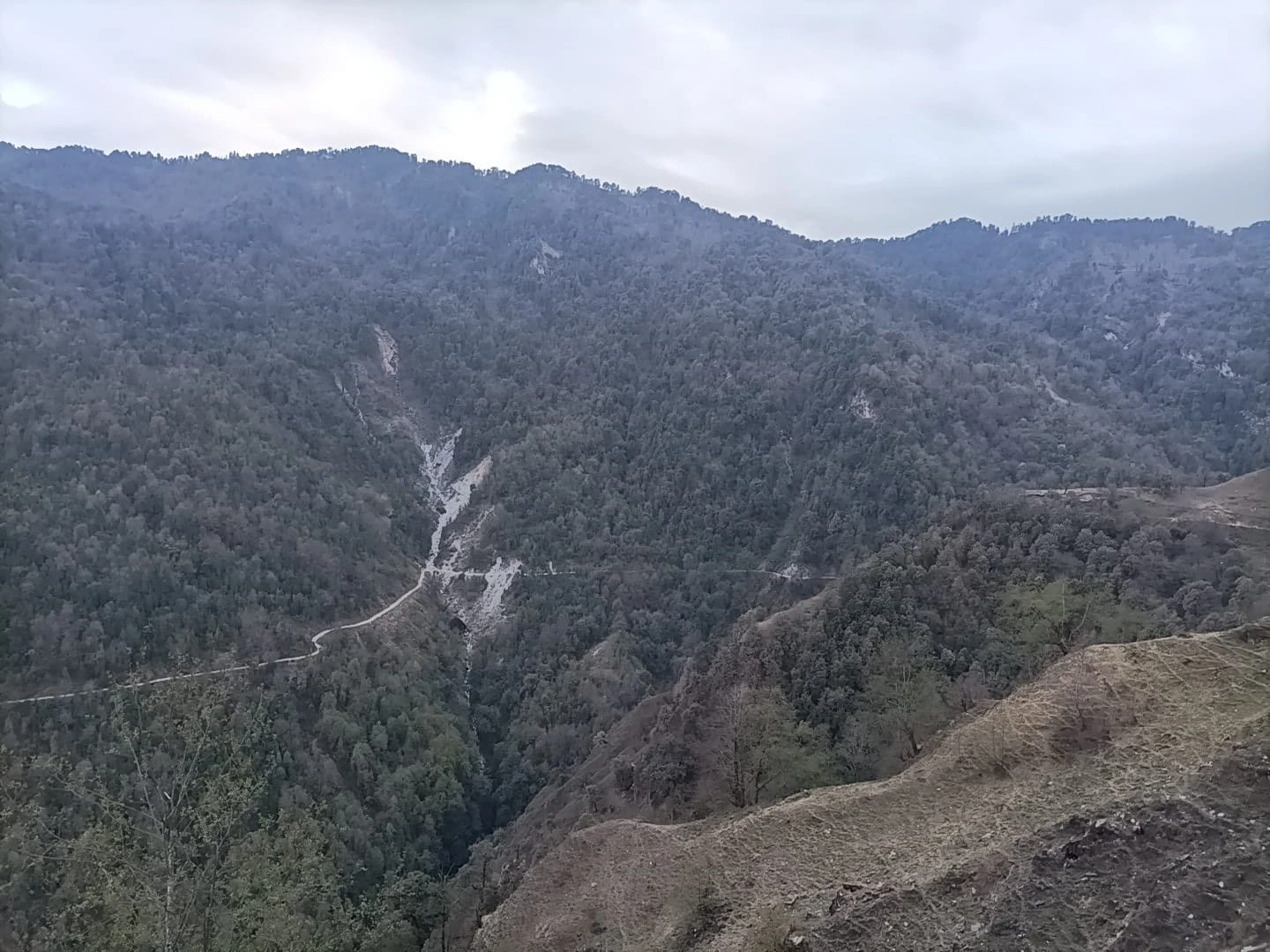
Bird walk Location
Common birds of Harkot Forest
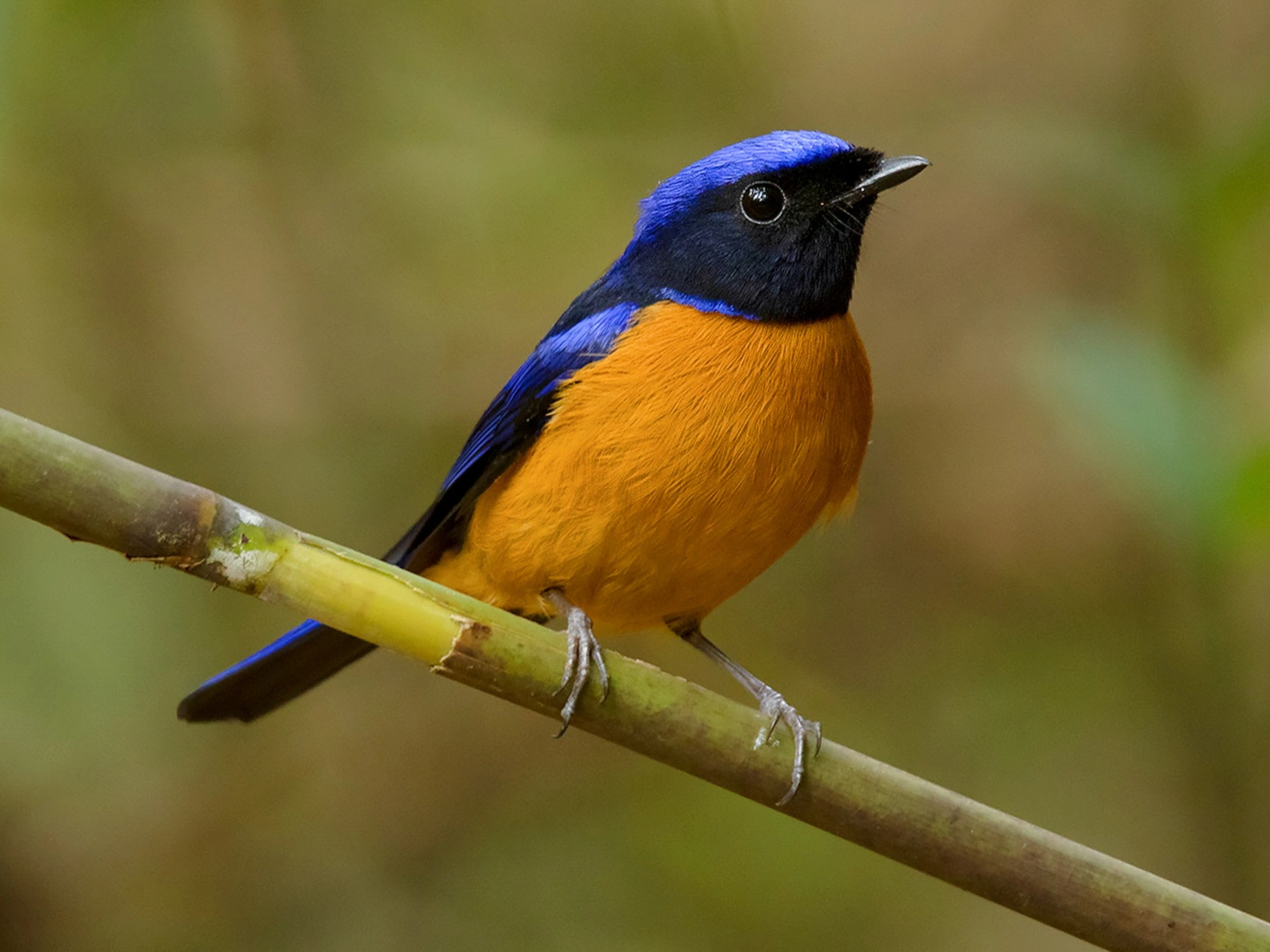
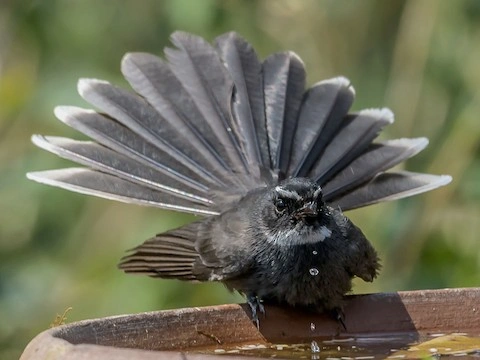
Harkot Forest supports a lively and distinctly Himalayan bird community, where every trail, forest edge, and mountain clearing can reveal something special. Commonly seen and heard here are woodland favourites such as the Himalayan Bulbul, Great Barbet, Verditer Flycatcher, Dark-sided Flycatcher, and Rufous-bellied Niltava, all of which add colour and song to the cool temperate forest. Mixed flocks often include smaller species like the Green-backed Tit, White-throated Fantail, and Black-throated Bushtit, while the undergrowth and quieter paths may produce birds such as the Streaked Laughingthrush, Blue-fronted Redstart, and the striking Kalij Pheasant. More open slopes and village edges bring in species like Russet Sparrow, Grey Wagtail, Oriental Turtle Dove, and Large-billed Crow, while mature trees attract birds such as the Grey-headed Woodpecker and the ever-noisy Red-billed Blue Magpie. Overhead, the dramatic sight of soaring Himalayan Griffons and the magnificent Bearded Vulture adds a true high-mountain character to the birding experience, while the haunting calls of the Blue Whistling Thrush complete the atmosphere of this beautiful Himalayan forest.

Rufous-bellied Niltava

White-throated Fantail
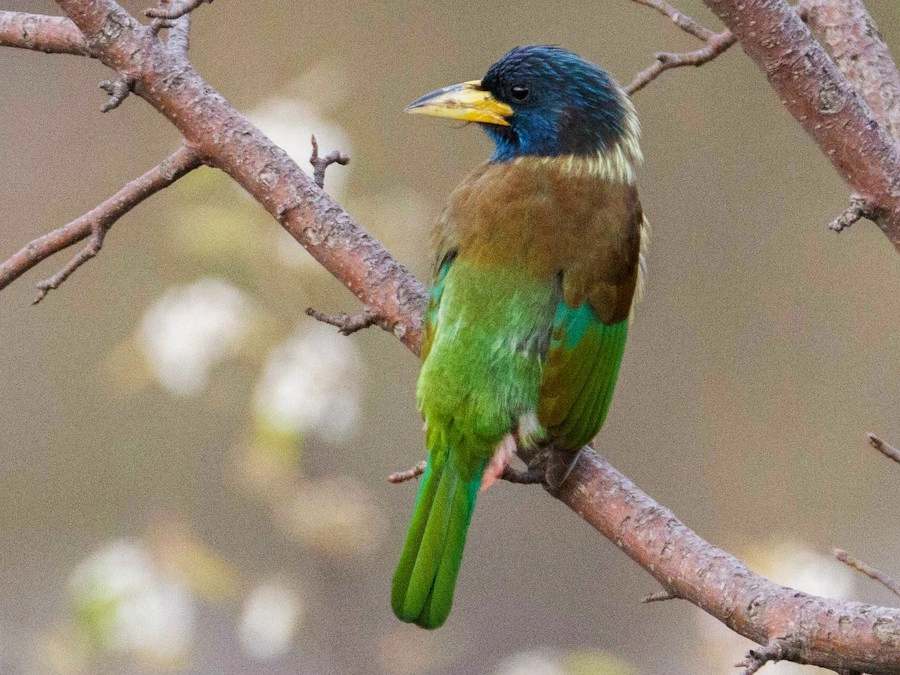
Great Barbet
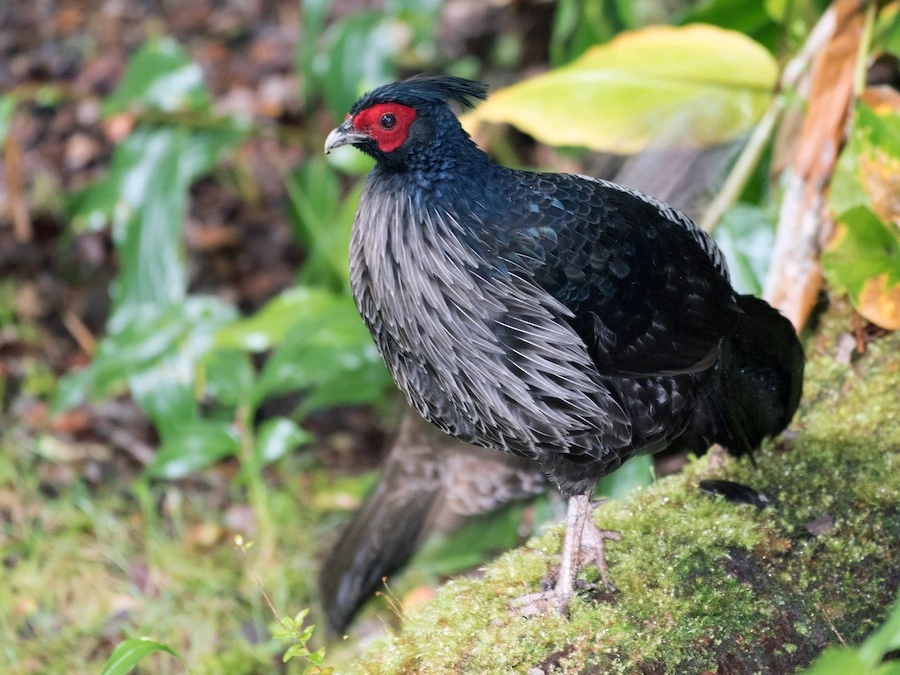
Kalij Pheasant
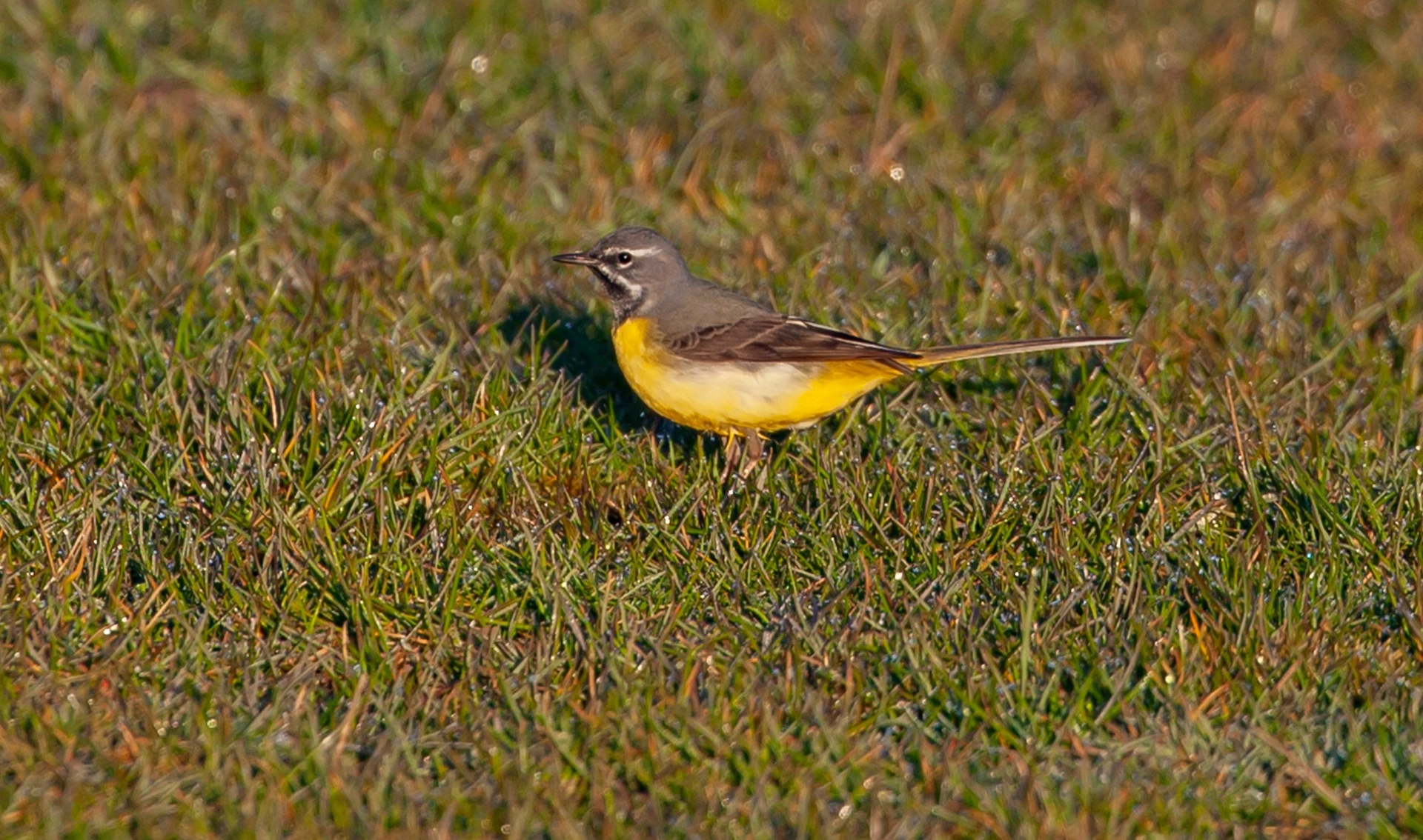
Grey Wagtail

Oriental Turtle Dove
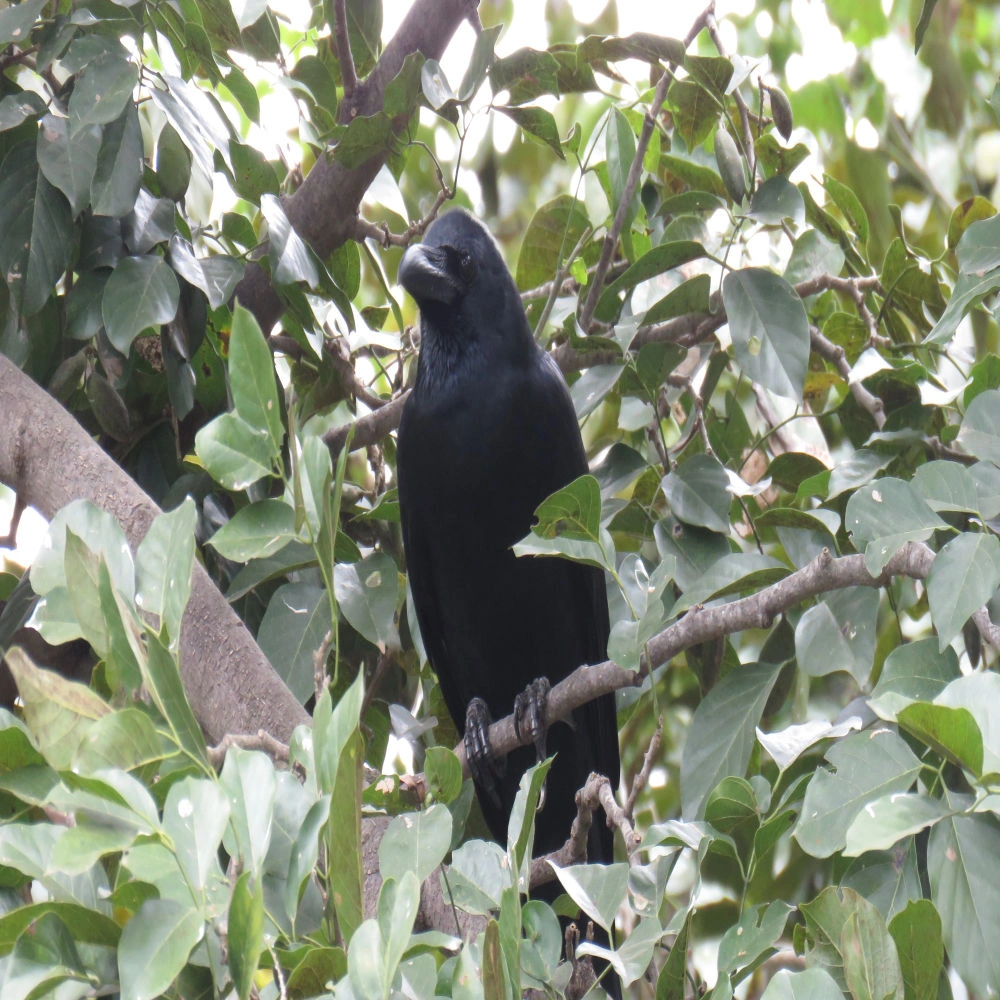
Large-billed Crow
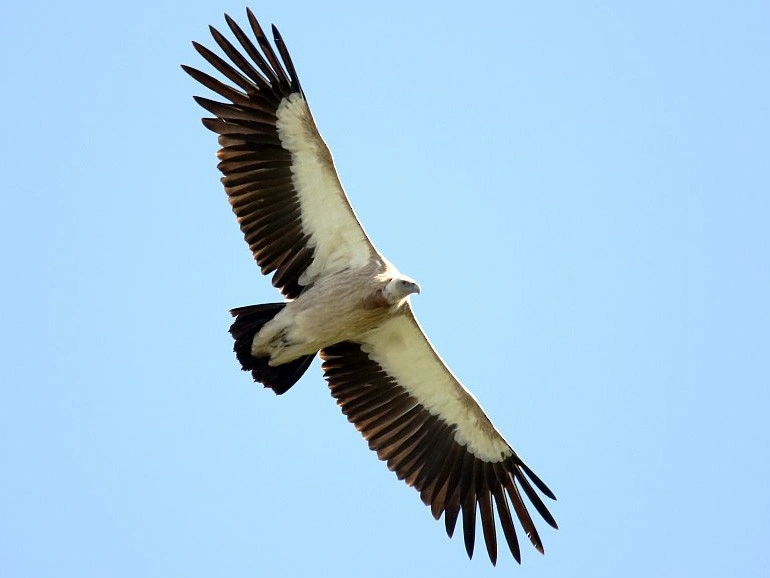
Himalayan Griffon
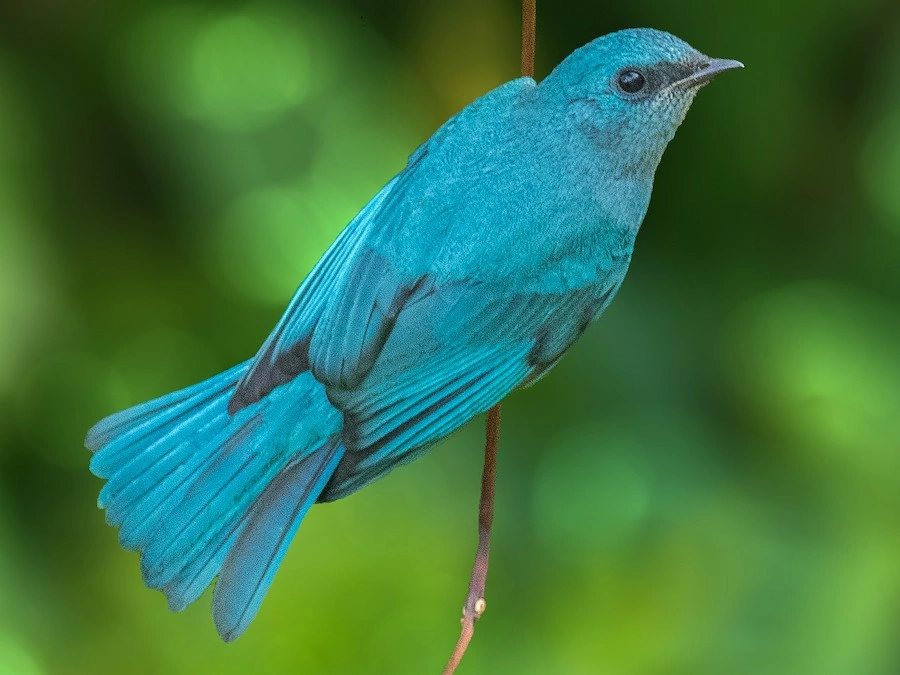
Verditer Flycatcher
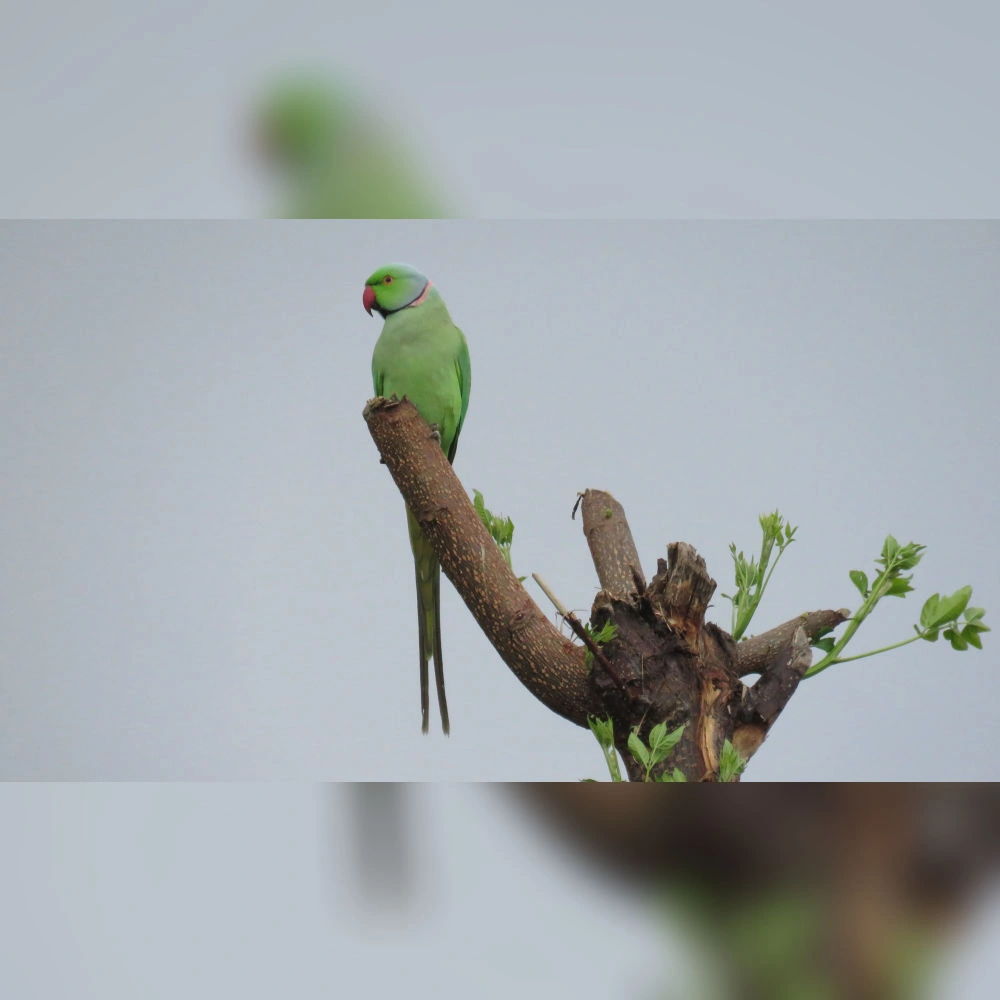
Rose-ringed Parakeet
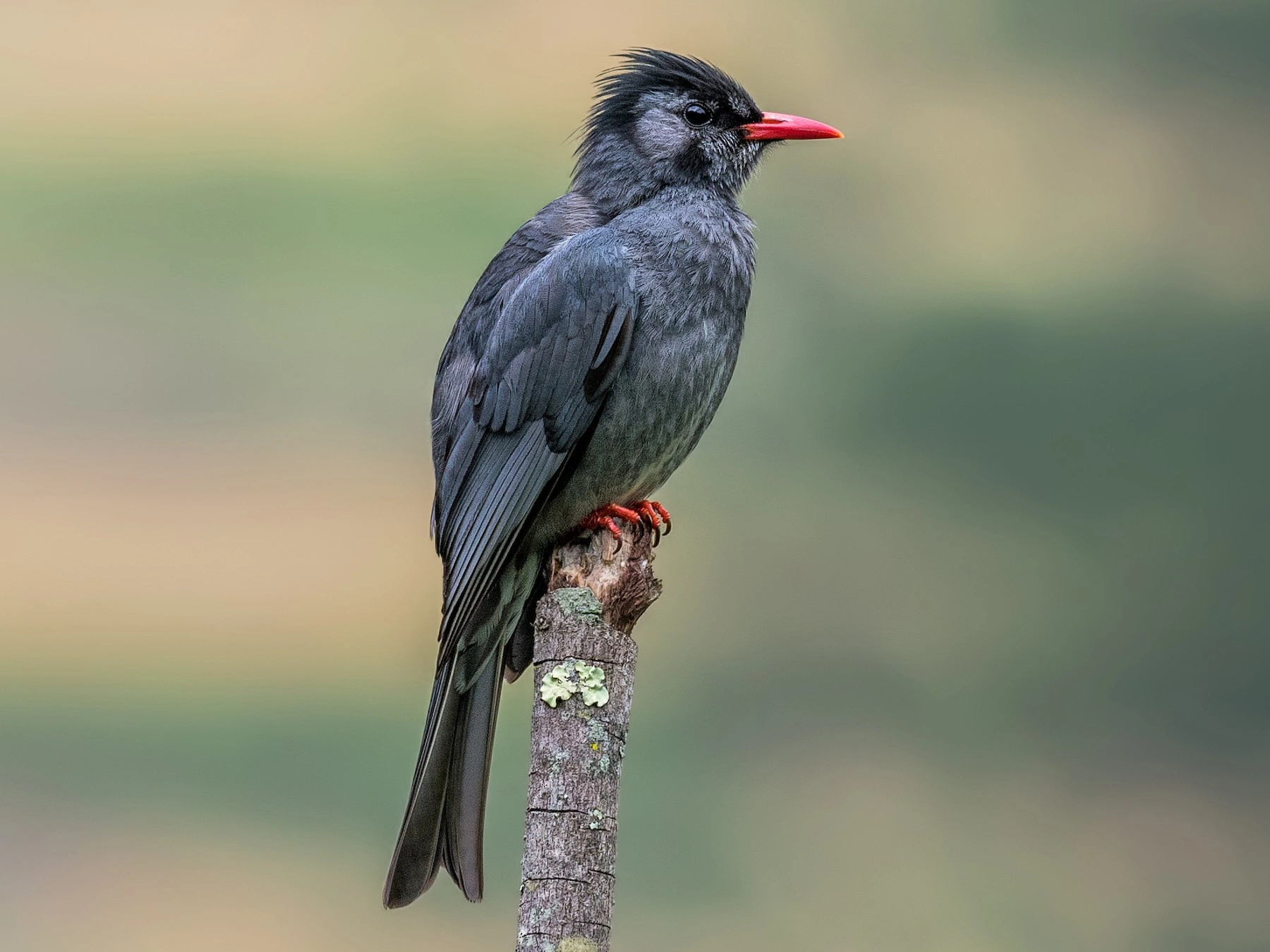
Himalayan Bulbul
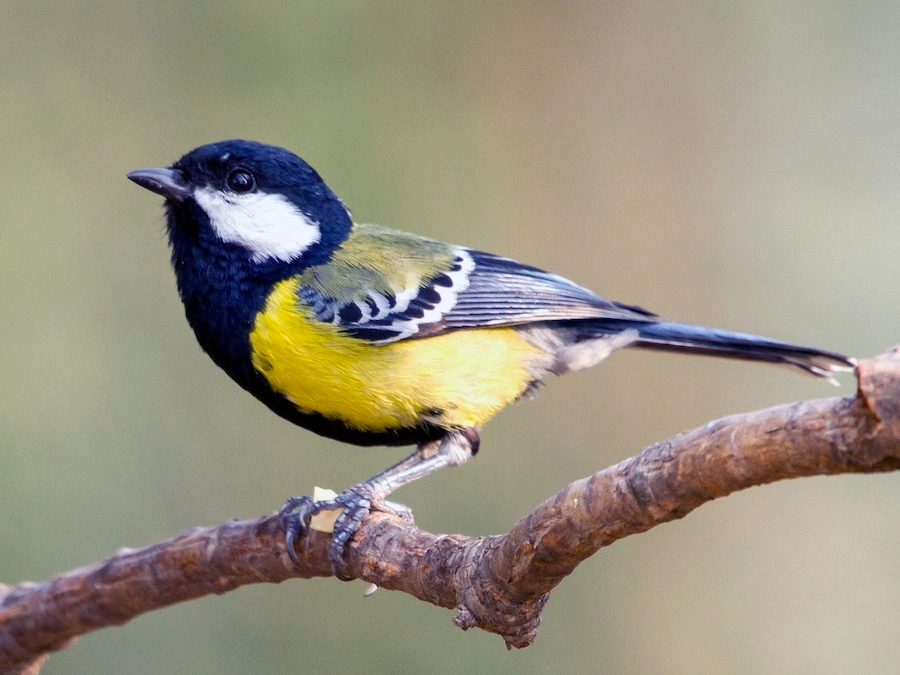
Green-backed Tit
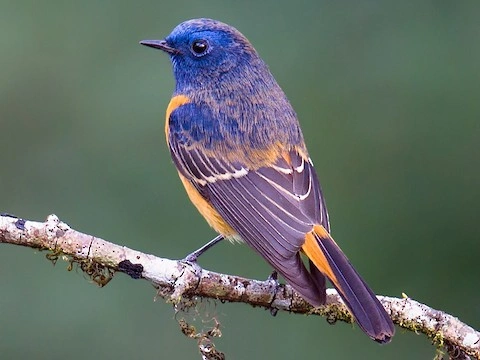
Blue-fronted Redstart
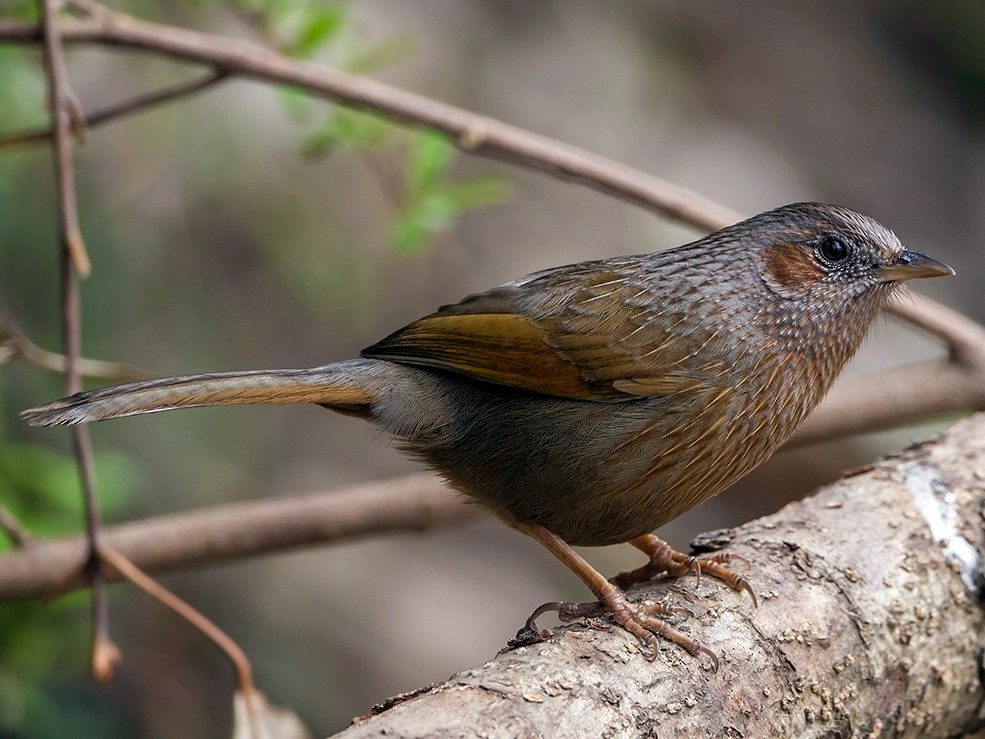
Streaked Laughingthrush
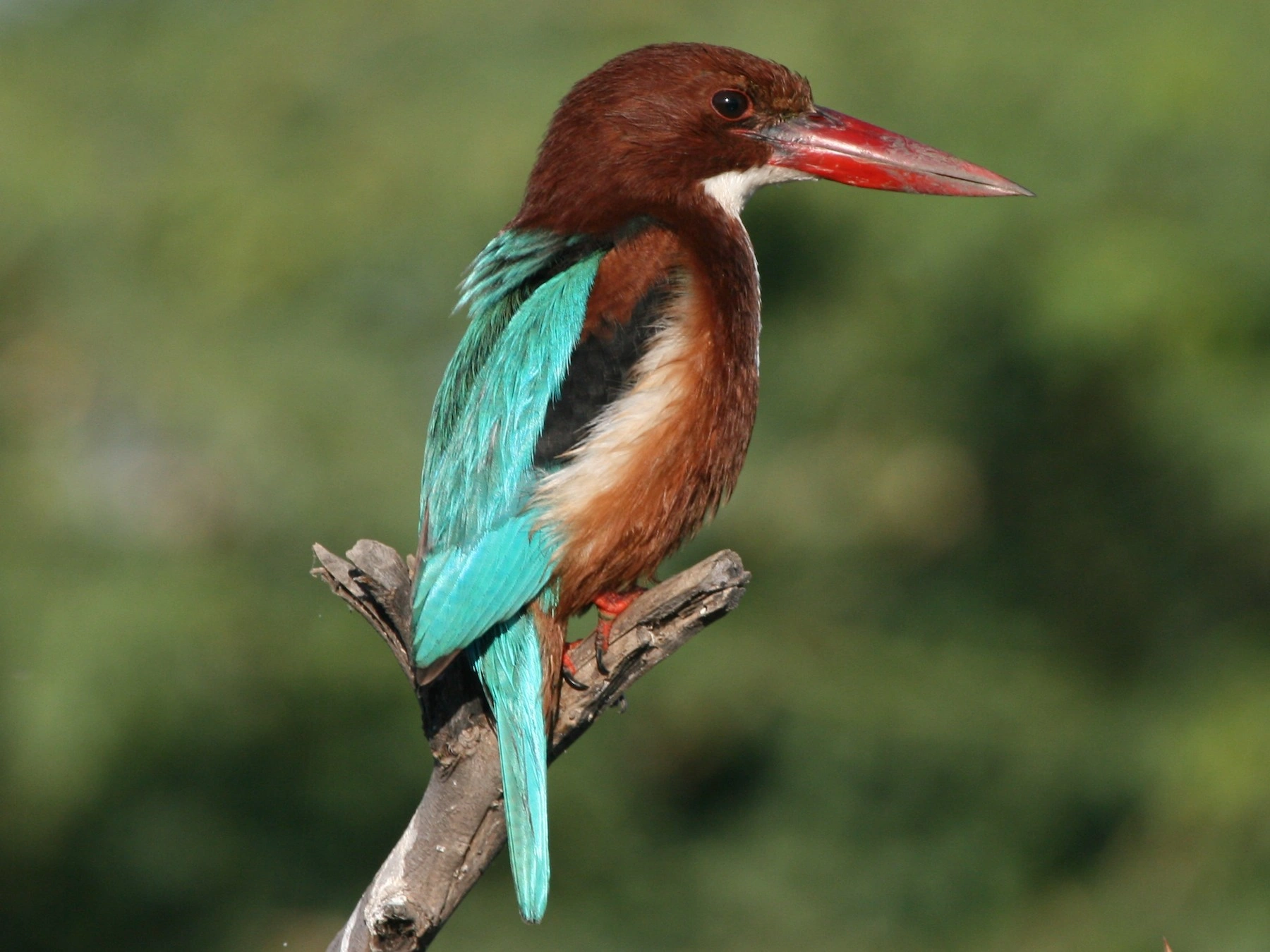
White-throated Kingfisher
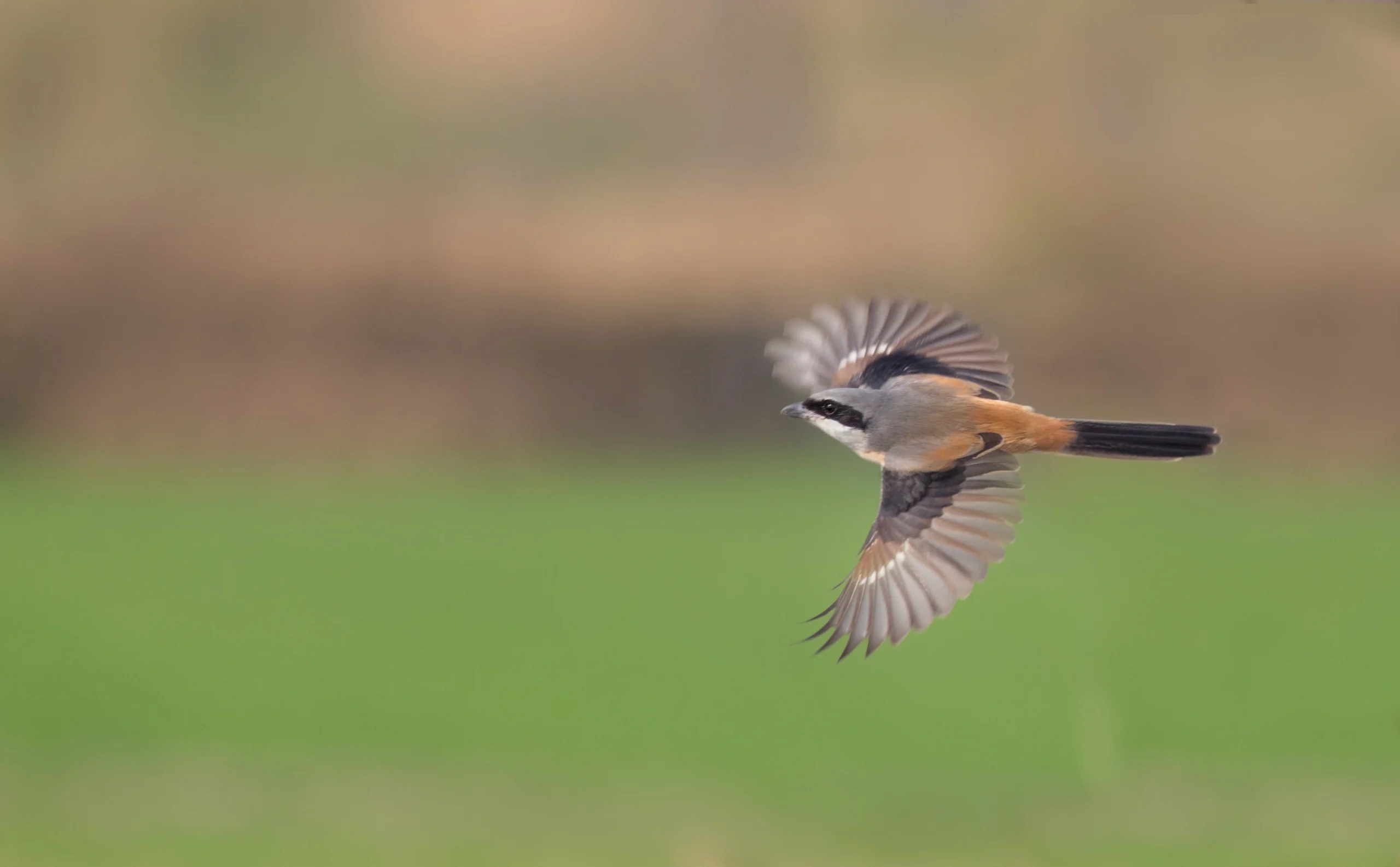
Long-tailed Shrike
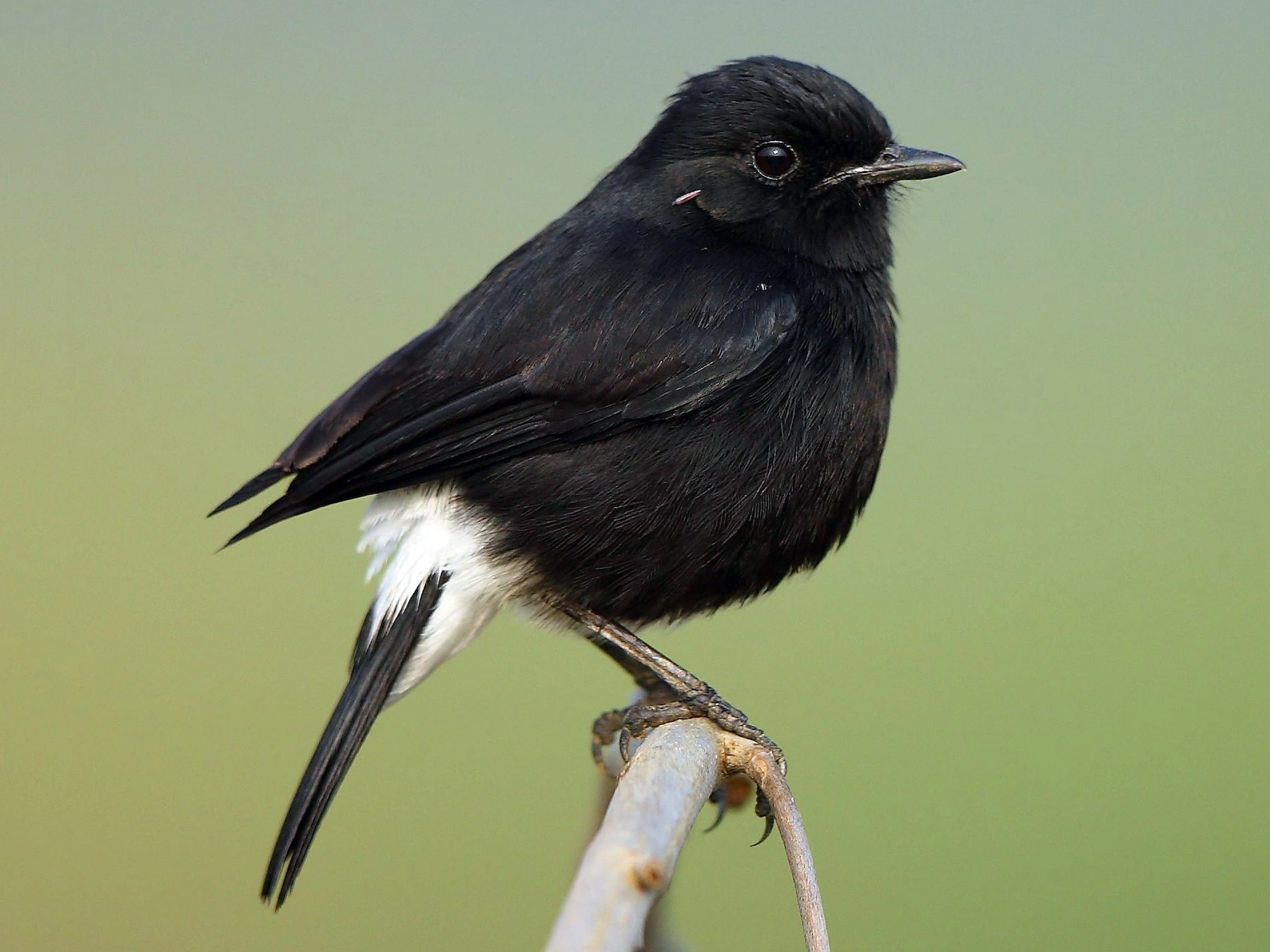
Pied Bushchat
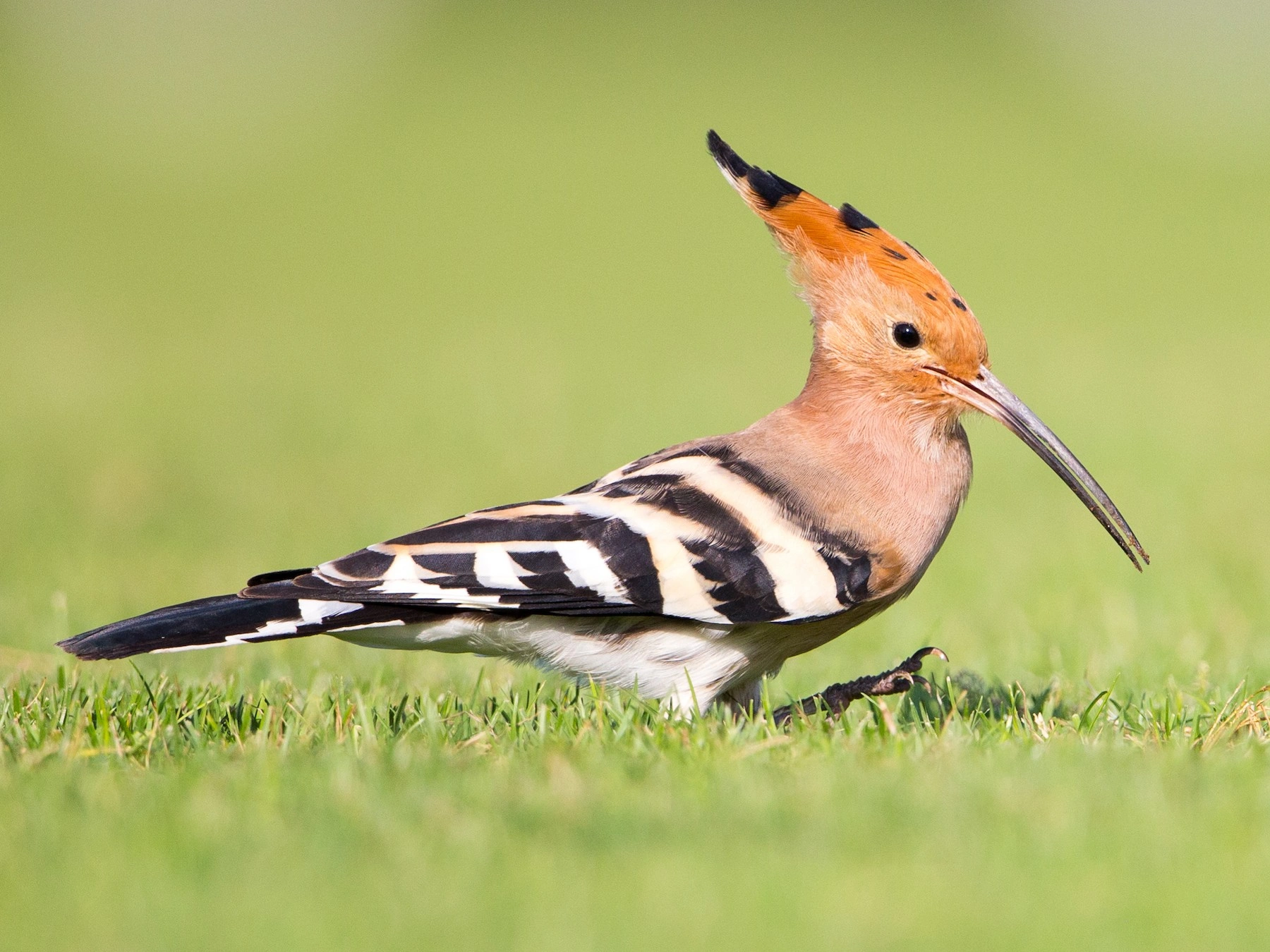
Common Hoopoe

Black Kite
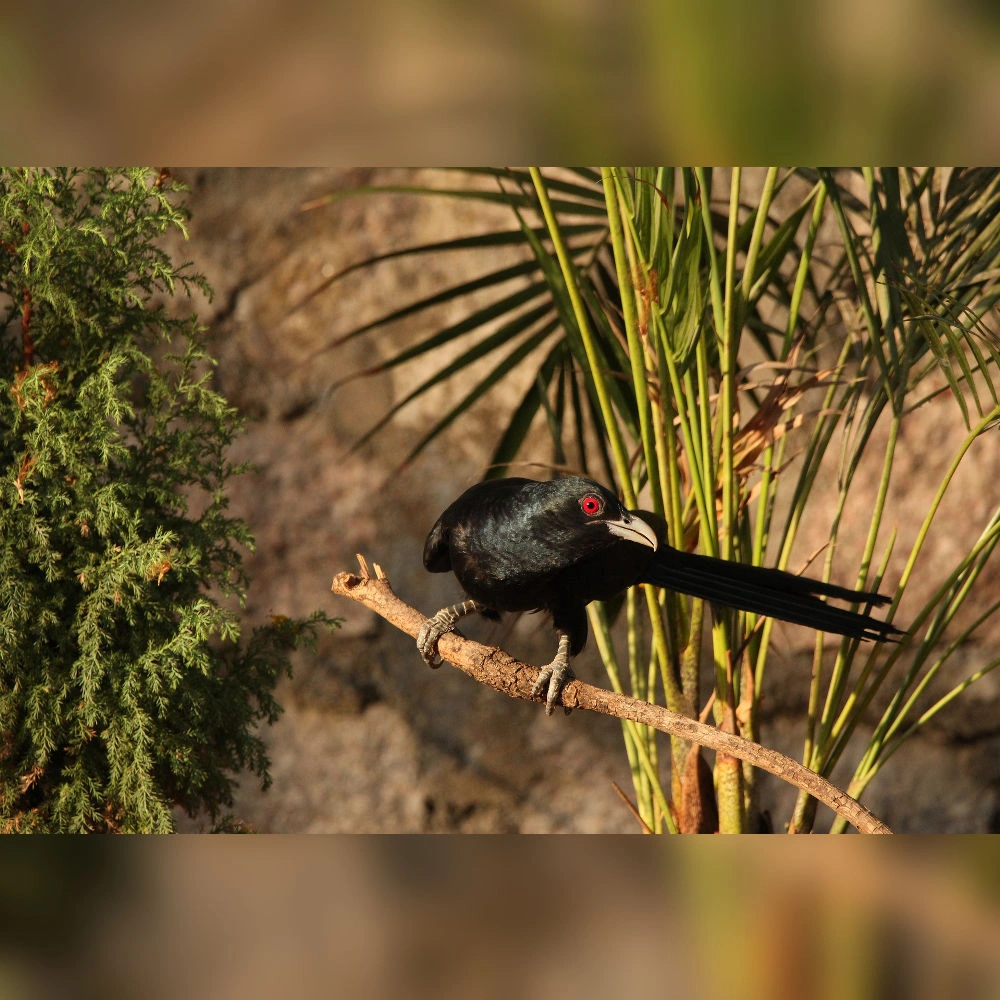
Asian Koel

- Fee collected goes entirely to the bird guide. Ataavi does not retain or profit from this amount.