Perched within the greener folds of Seminary Hills, Japanese Garden is one of Nagpur’s most pleasant urban nature pockets—a landscaped garden set inside a larger dry deciduous hill-forest mosaic that makes this part of the city unusually rich in biodiversity. While the garden itself is a managed recreational space rather than a wild forest patch, it draws much of its ecological character from the surrounding Seminary Hills reserve landscape, where tree cover, slopes, scrub, and open clearings create habitat variety within the city. The wider area is known for its botanical value and supports a mix of planted ornamentals, flowering shrubs, lawns, and avenue trees within the garden, while the surrounding hills retain more natural vegetation, including dry forest and herbaceous flora. This blend of cultivated greenery and semi-natural habitat makes the site attractive not only to walkers and students, but also to butterflies, squirrels, insects, and a steady range of urban and woodland-edge birds. The broader Seminary Hills–Satpuda Botanical Garden zone is also officially recognised as an important green learning and biodiversity space in Nagpur.
For birders, Japanese Garden is best enjoyed as an easy-access urban birding stop—the kind of place where an ordinary morning walk can quickly turn into a rewarding birdwatching session. The tree-lined edges, quieter corners, and links to the surrounding Seminary Hills habitat can produce bulbuls, barbets, parakeets, mynas, sunbirds, drongos, doves, woodpeckers, and seasonal movement through the canopy, making it especially appealing for beginners, photographers, and casual naturalists. Its greatest strength is not rarity, but the way it introduces people to birdlife in a familiar city setting. That said, the landscape also faces very real pressures: soil erosion, tree loss, infrastructure expansion, litter, trampling, disturbance, and fragmented management of green spaces have all been reported as concerns in Seminary Hills, with ongoing development and access changes potentially affecting habitat quality if not handled carefully. Conservation here depends on something simple but important—keeping the garden green, connected, and ecologically functional, through better native planting, cleaner maintenance, erosion control, protection of mature trees, and planning that treats Seminary Hills as habitat, not just as real estate or recreation space.
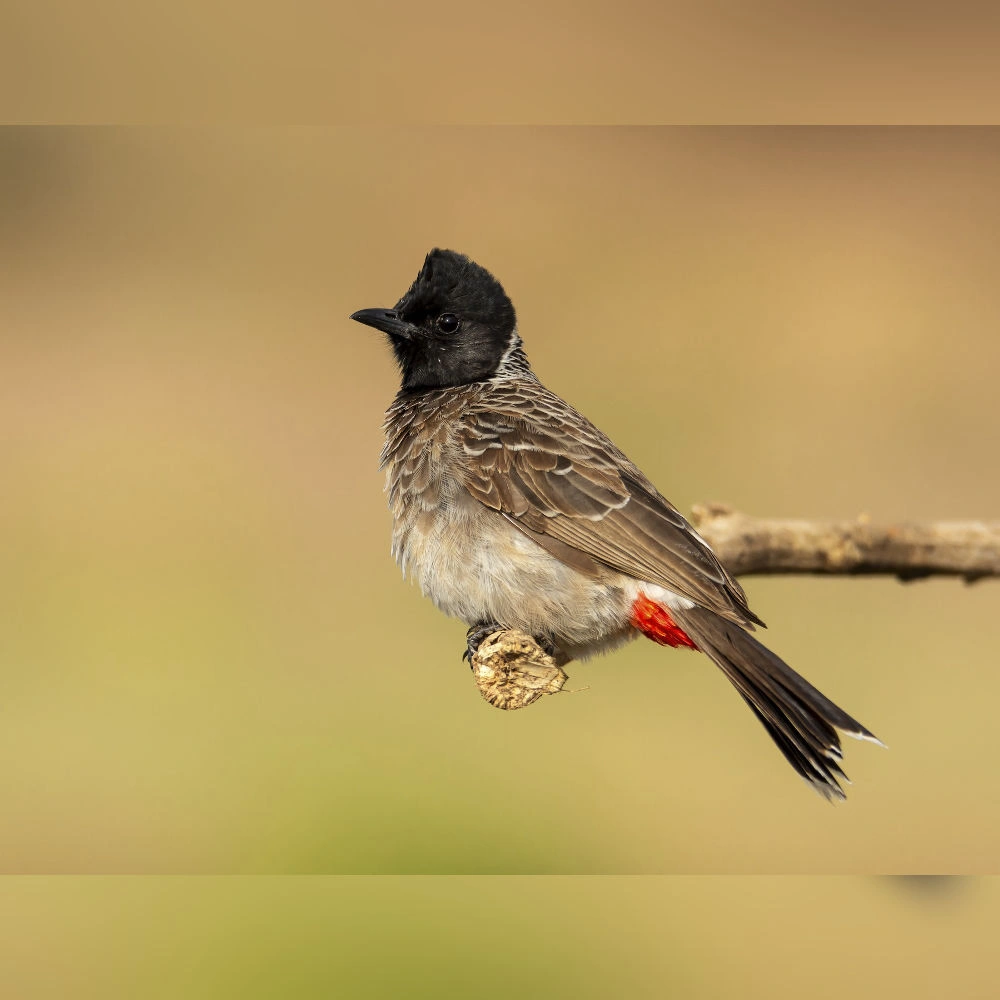
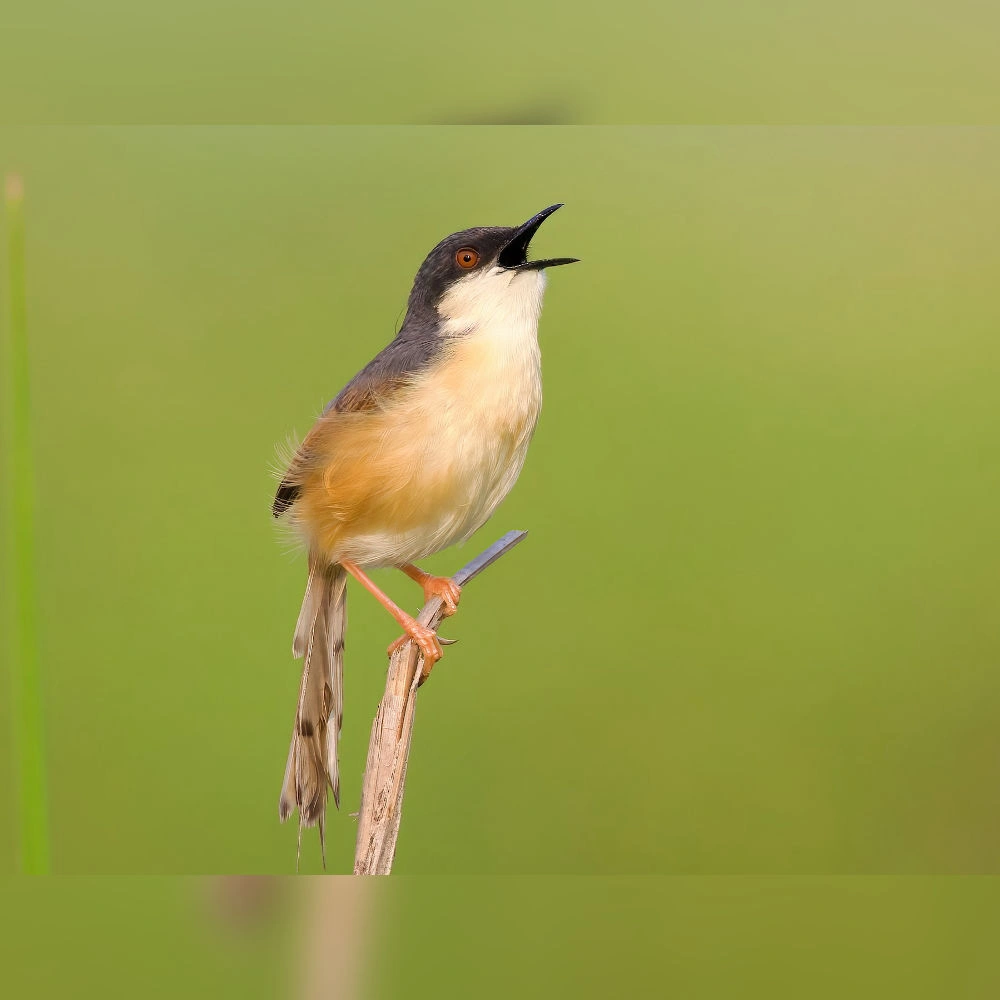
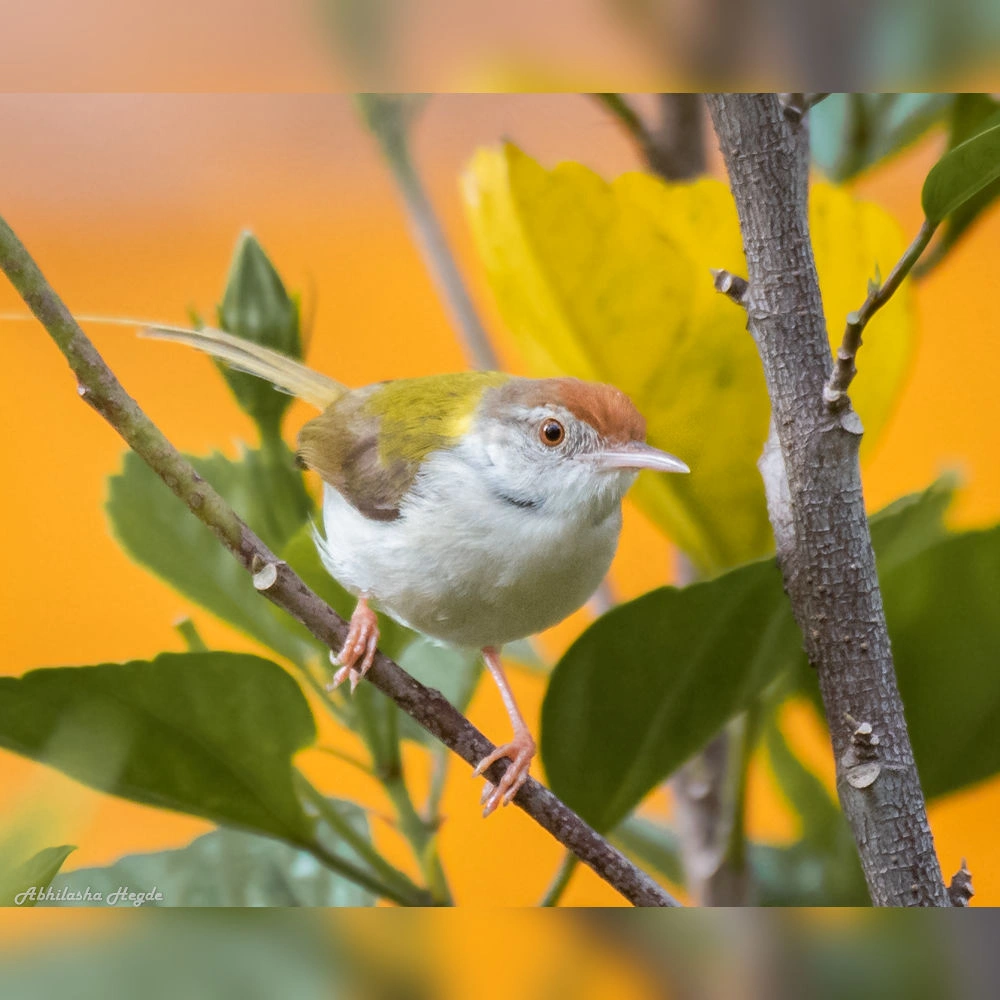
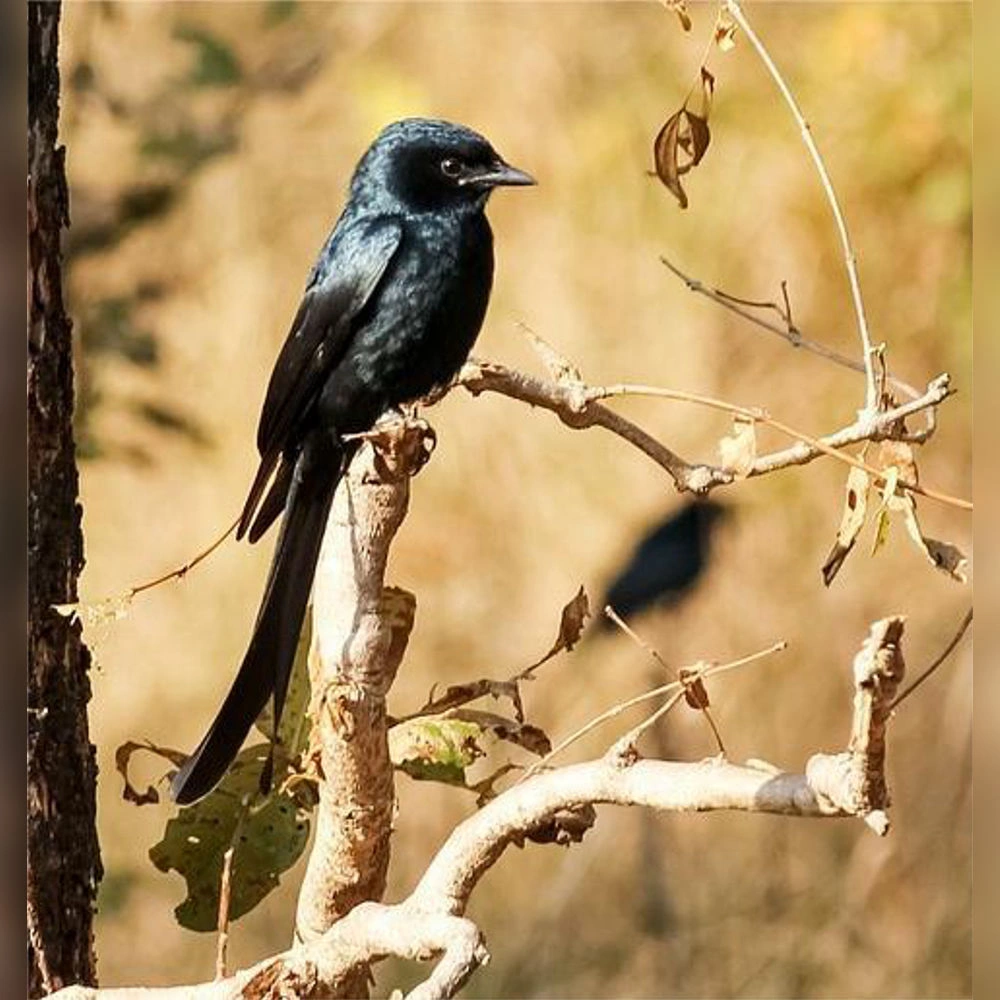
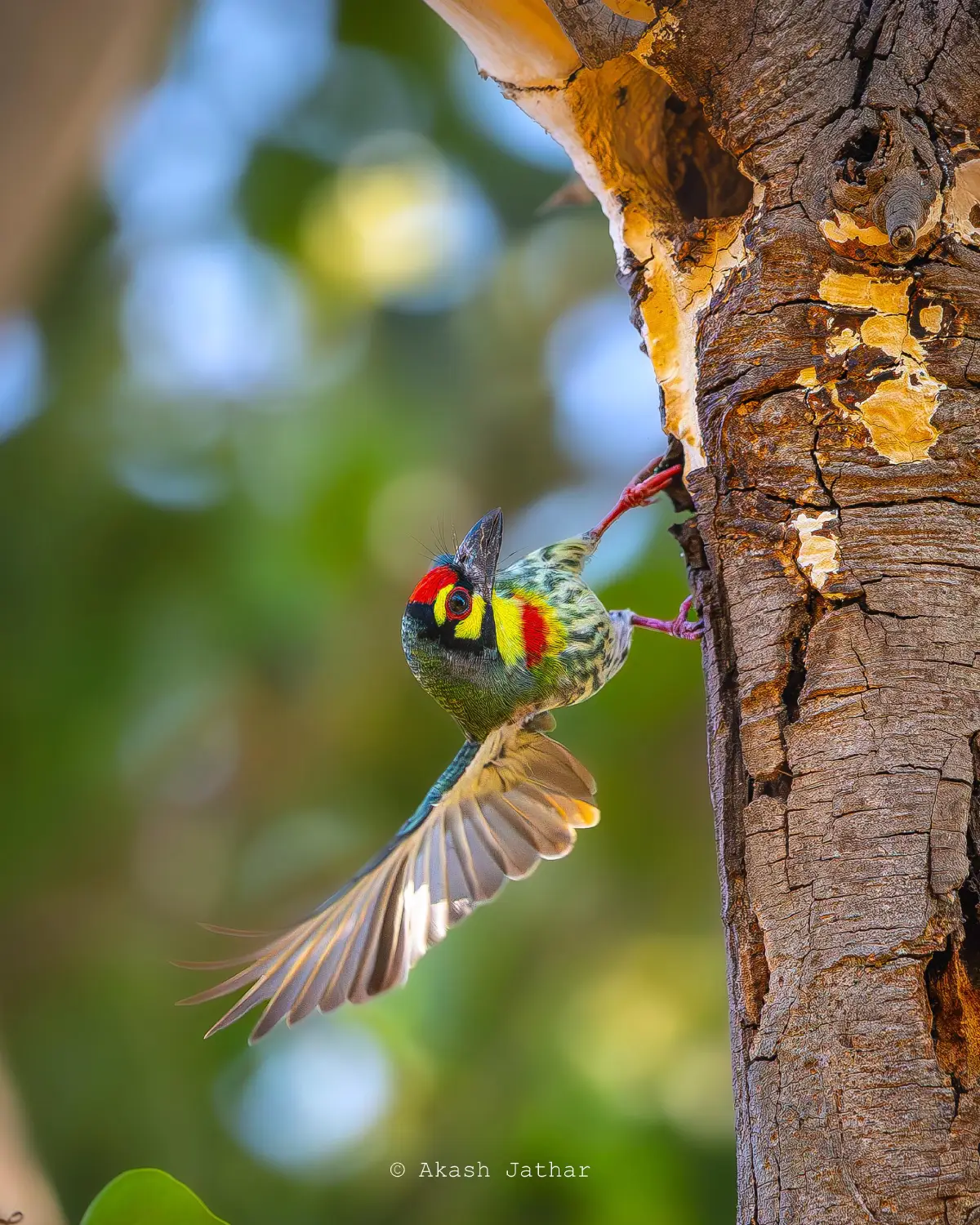
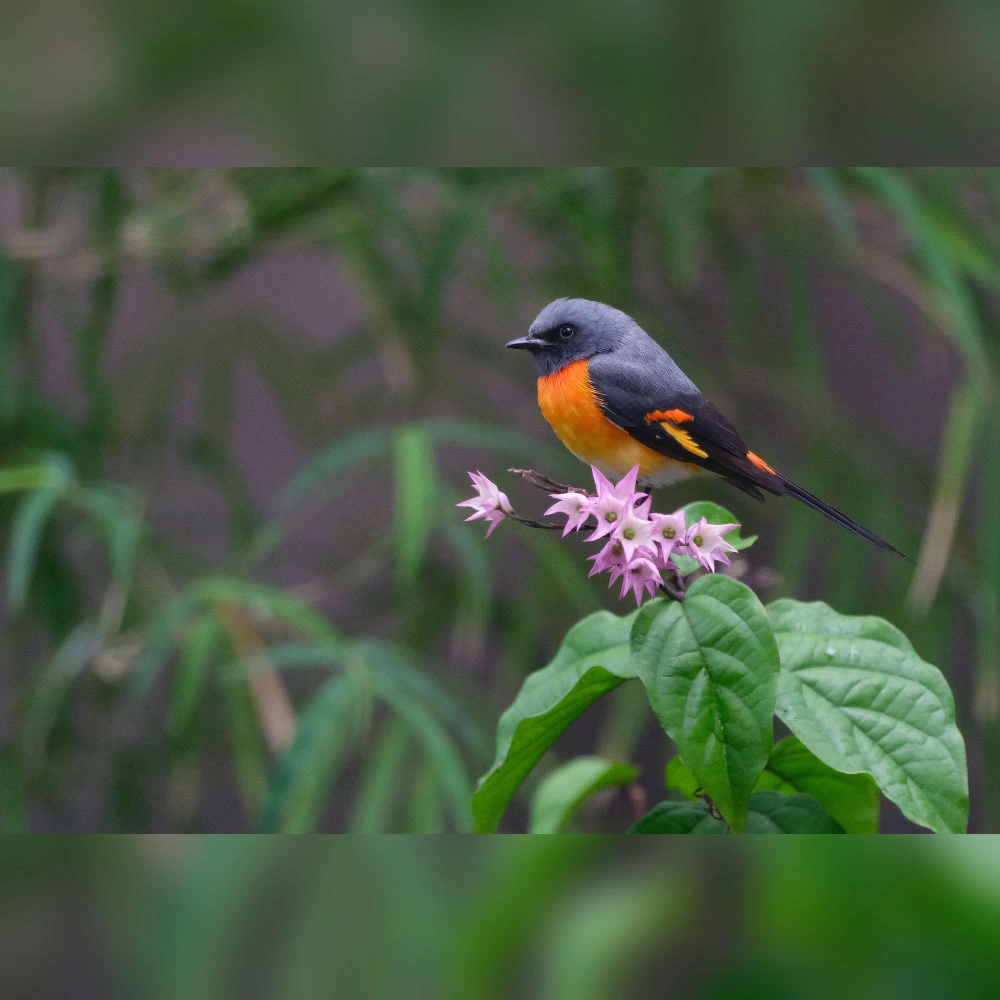
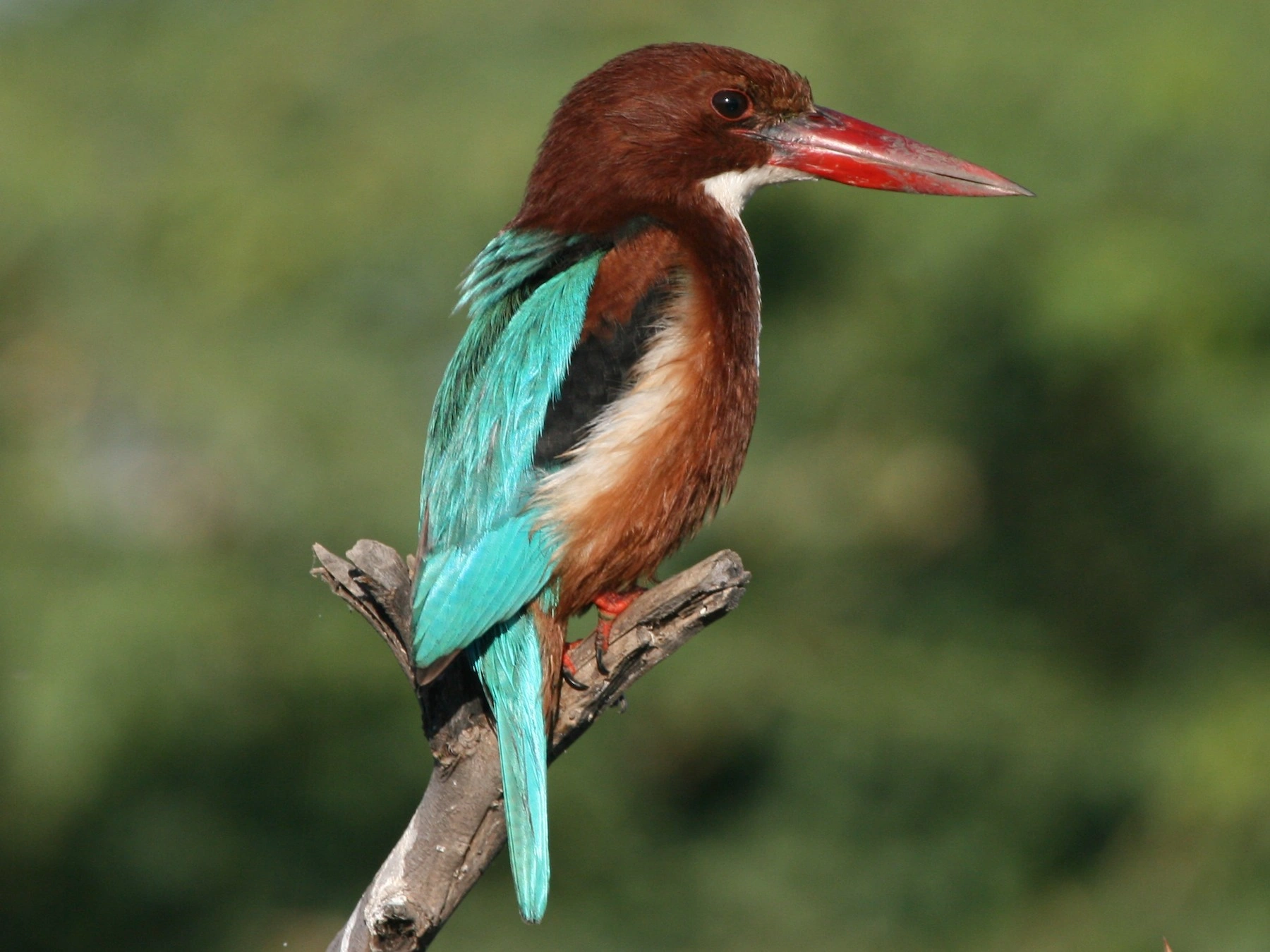
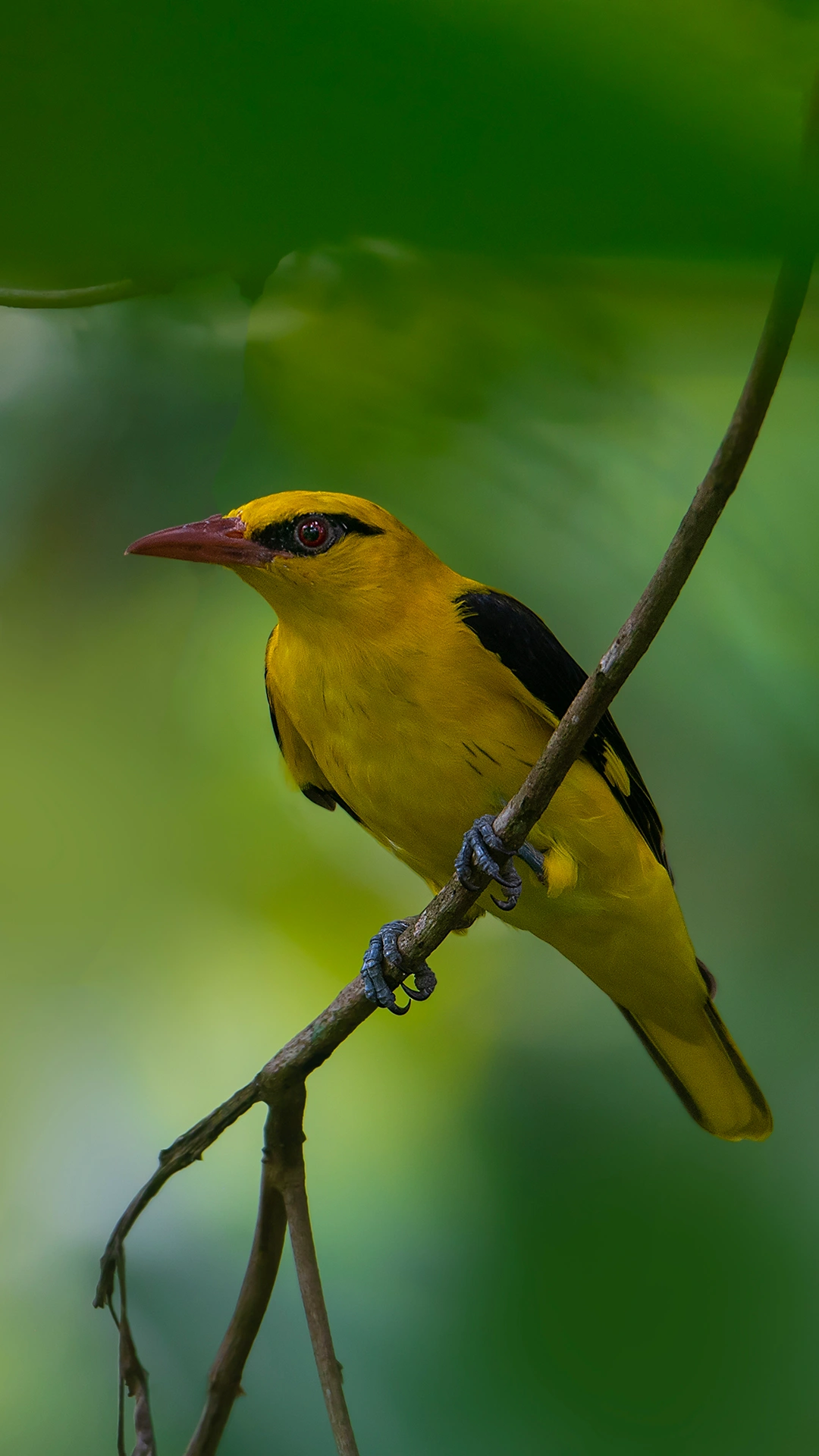
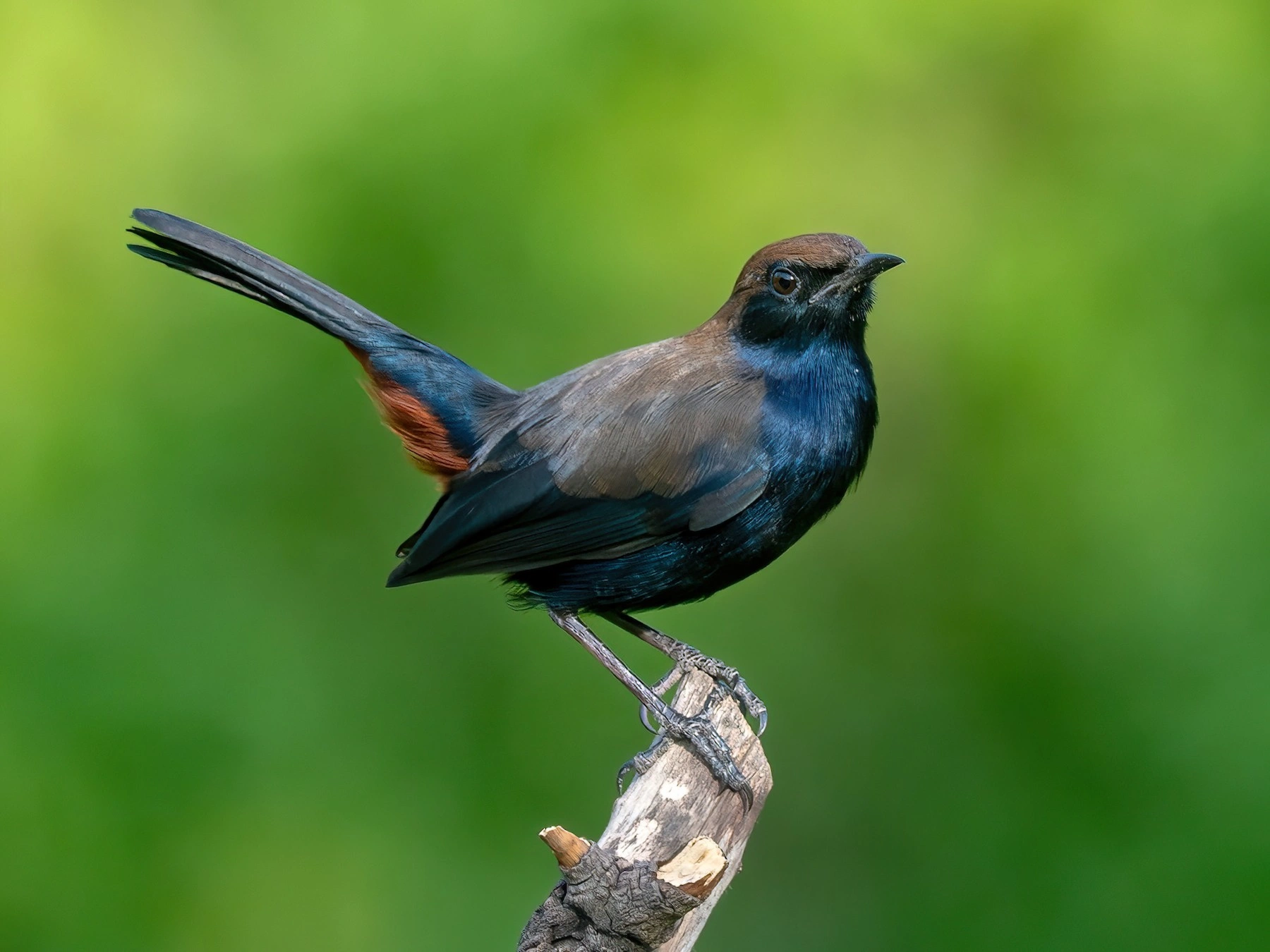
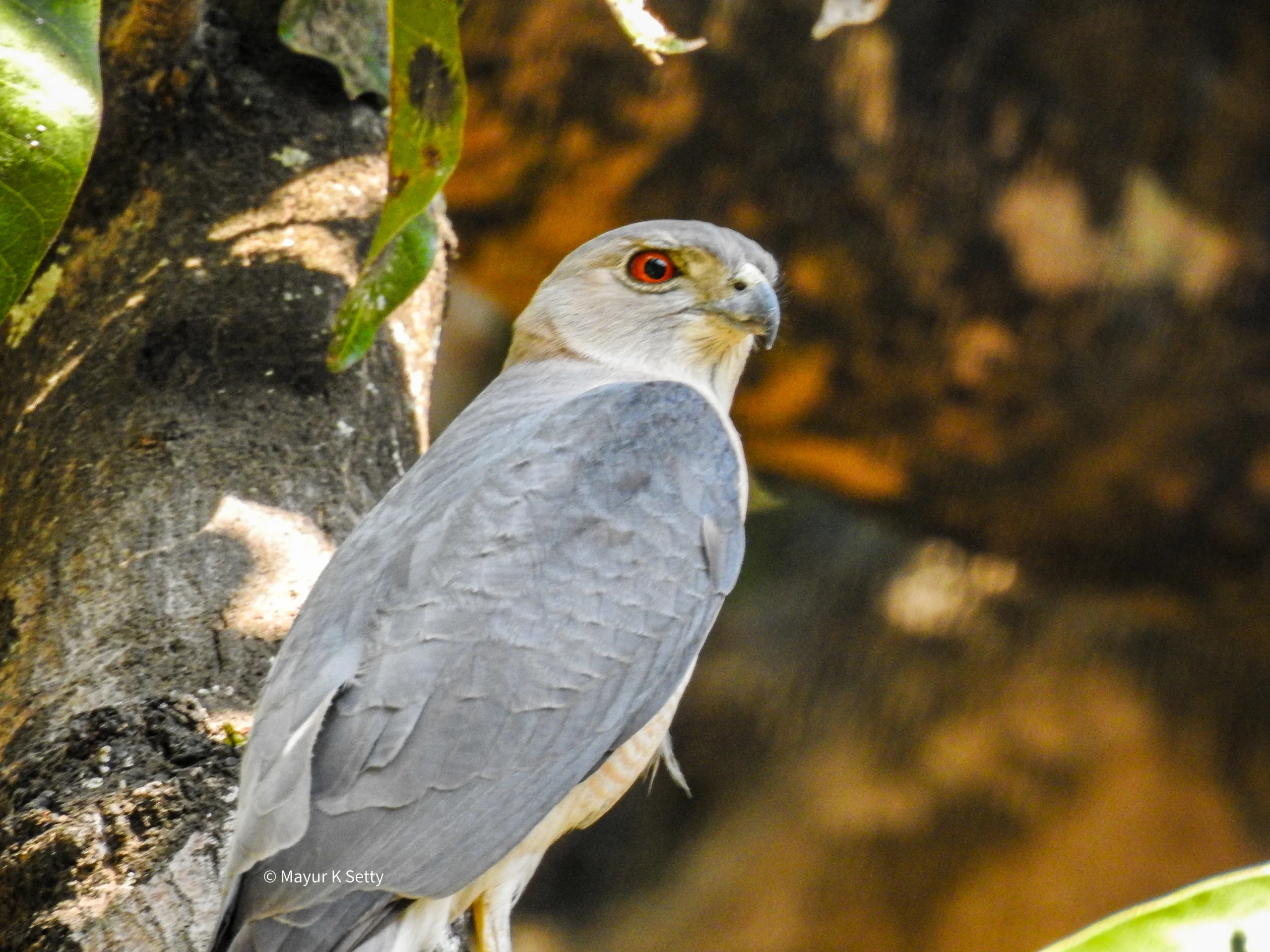
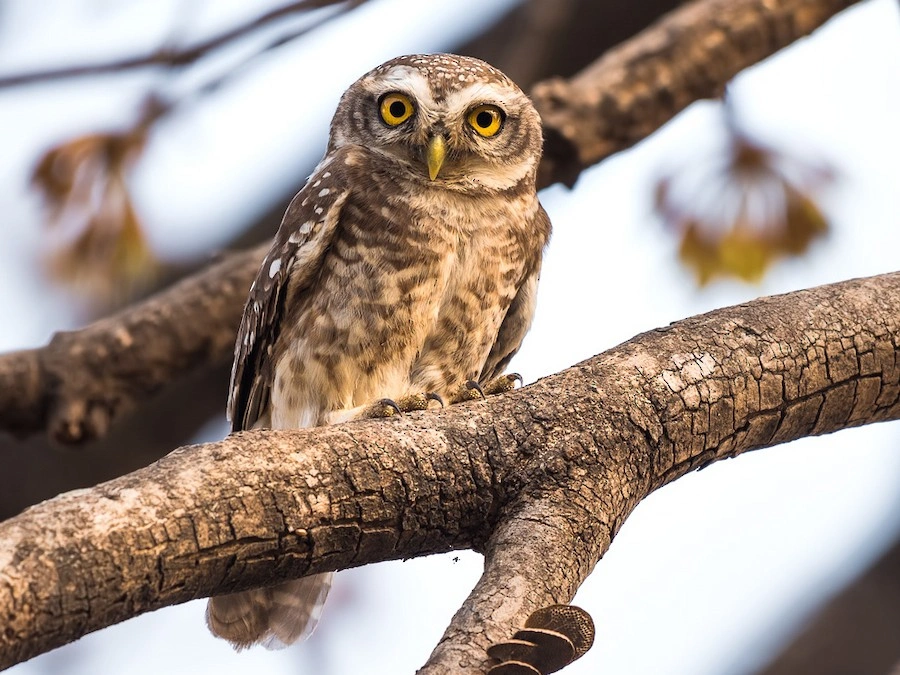
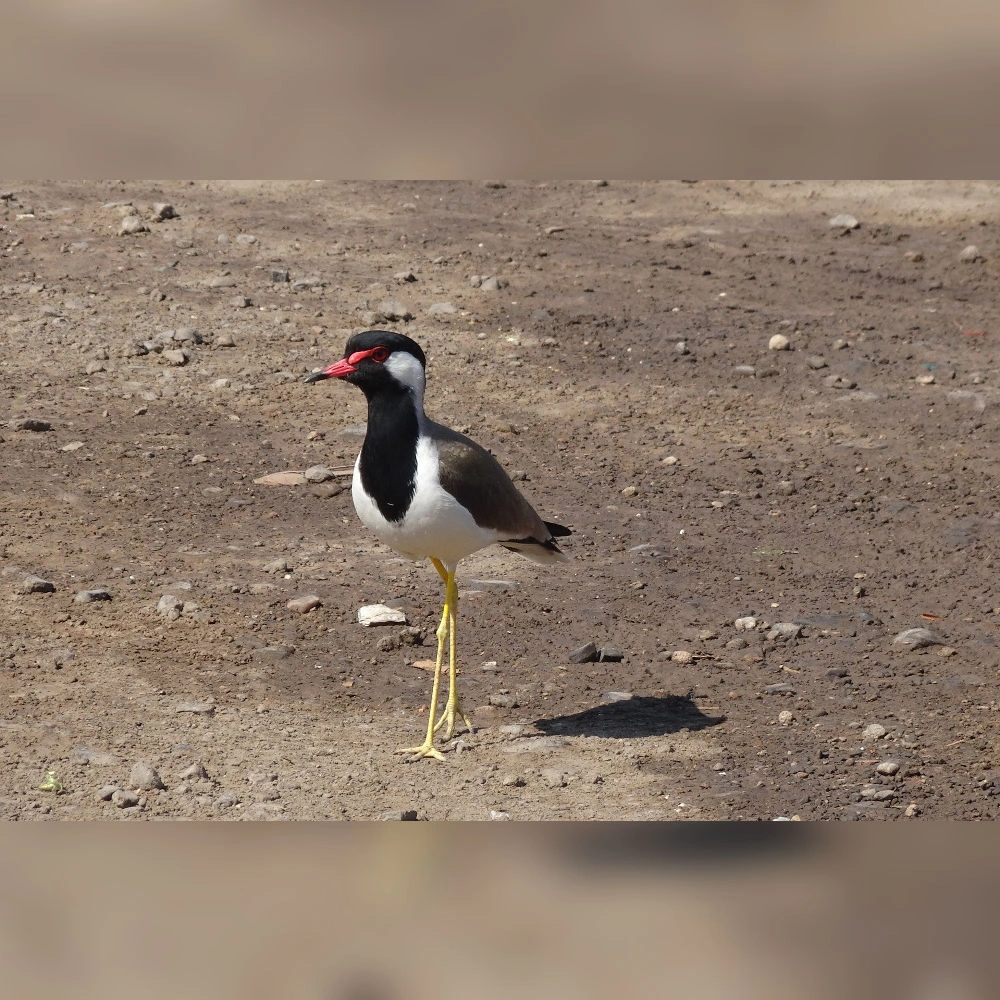
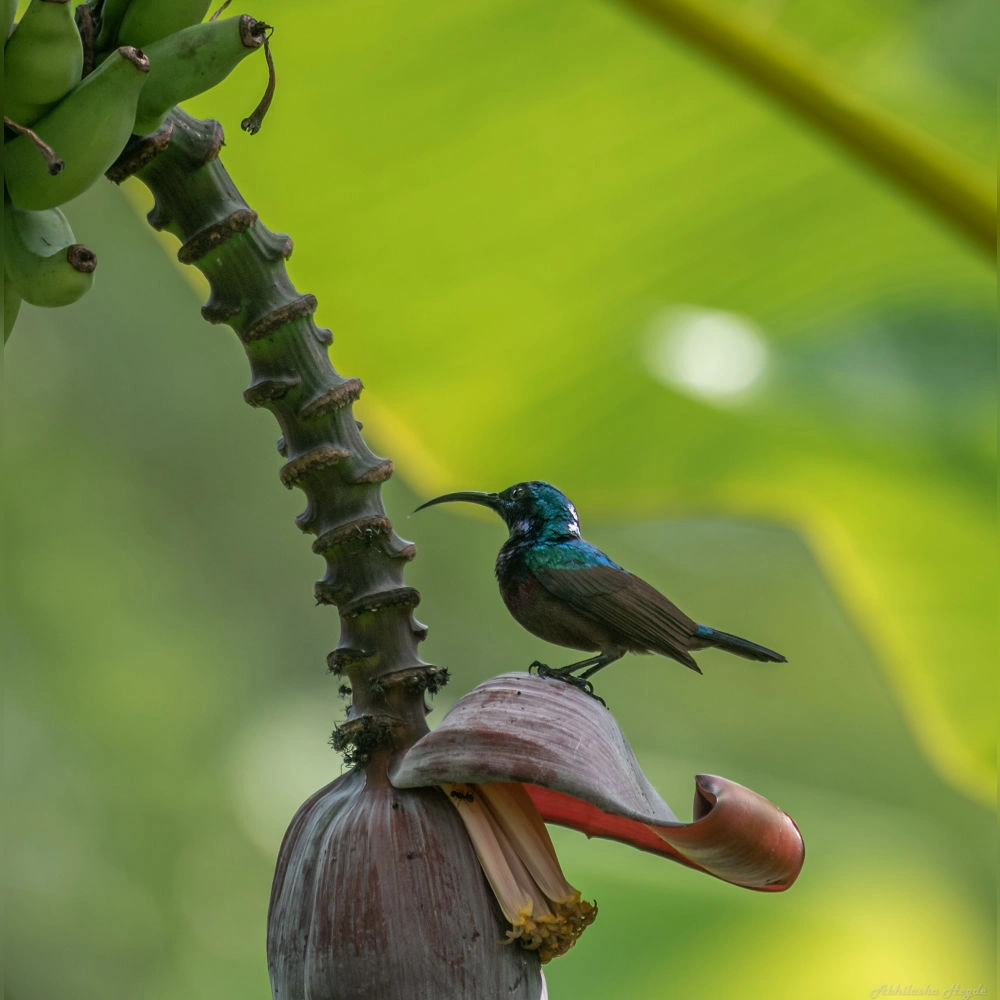
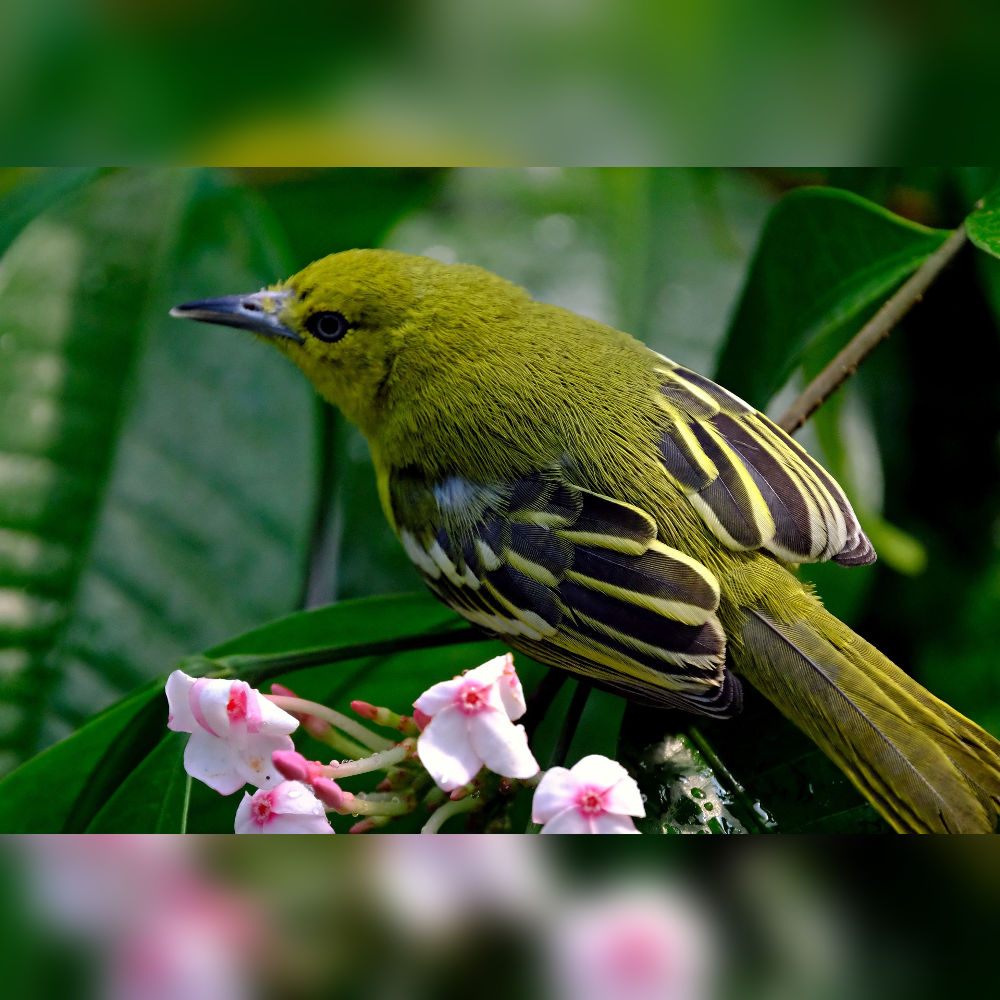
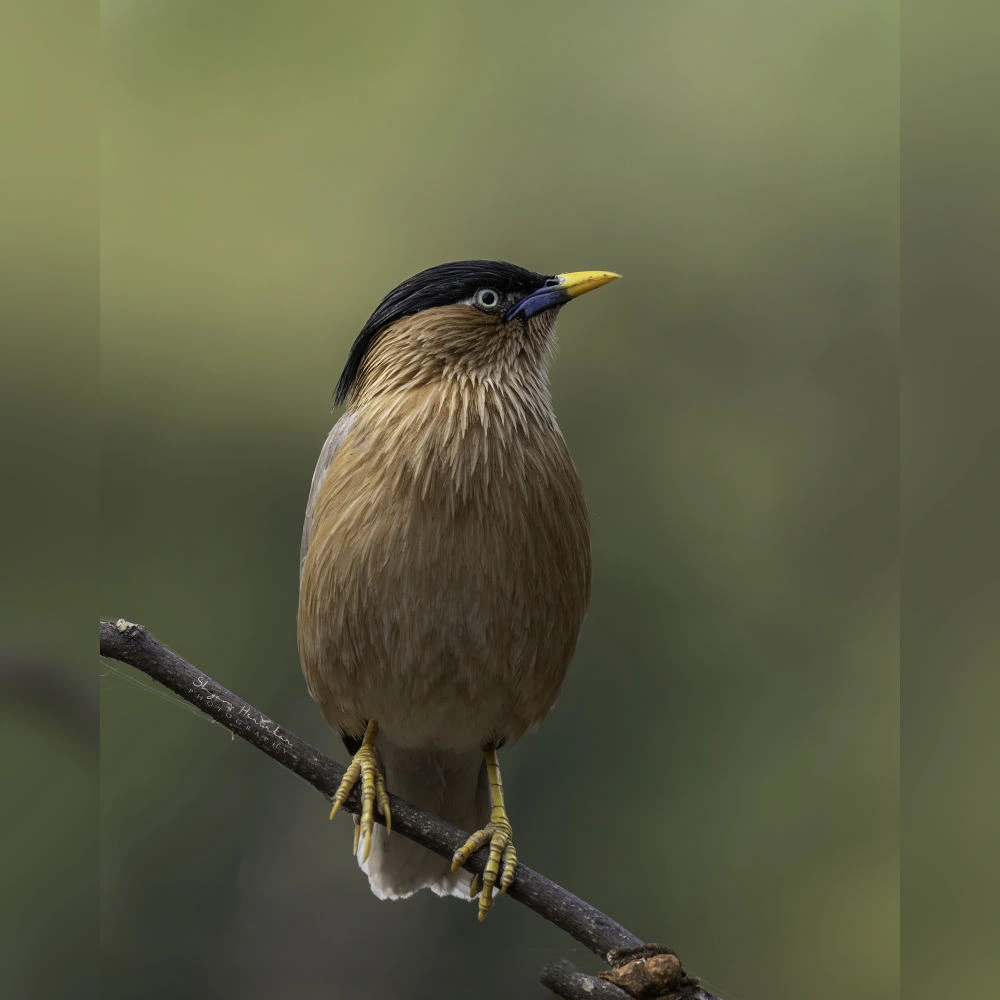
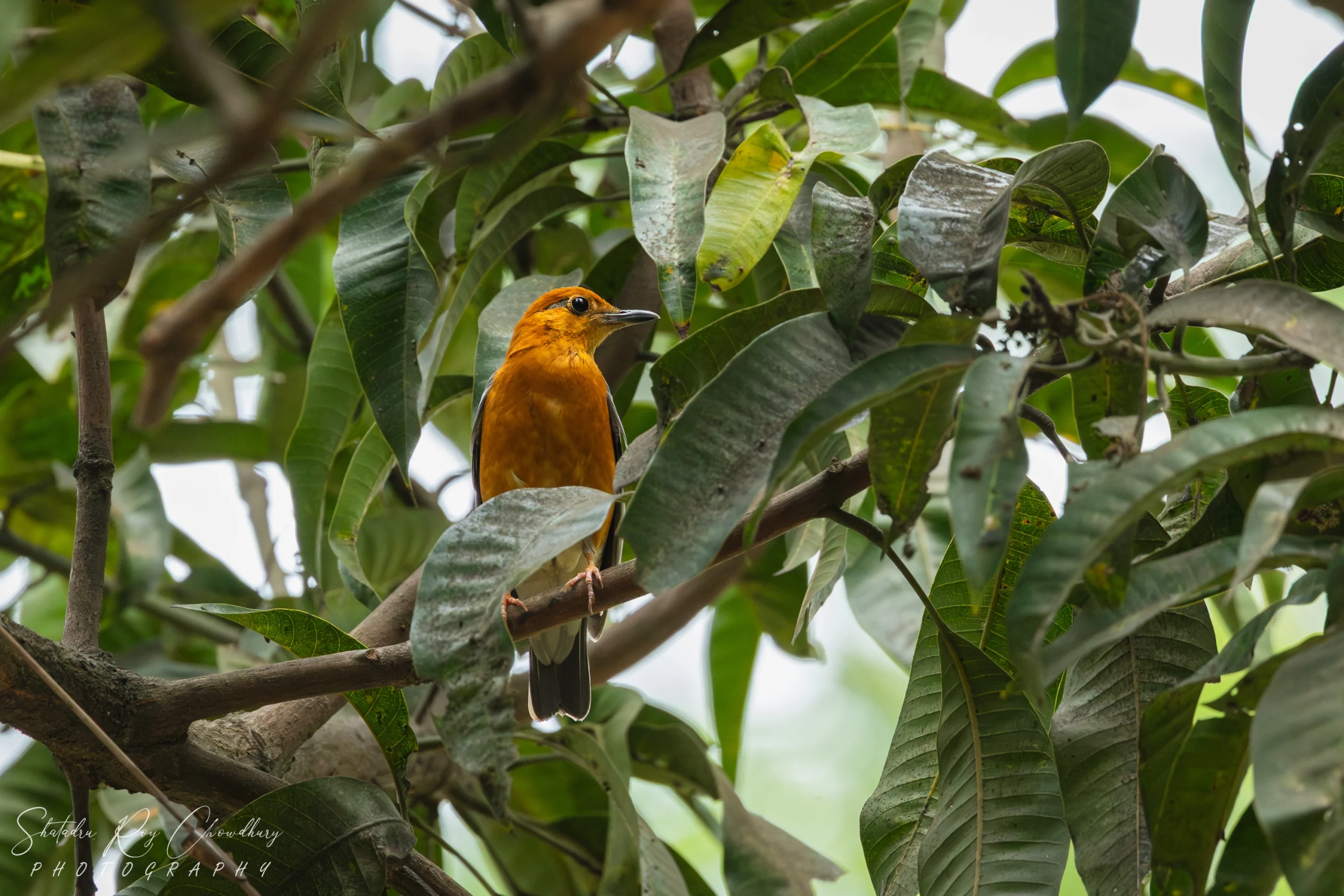
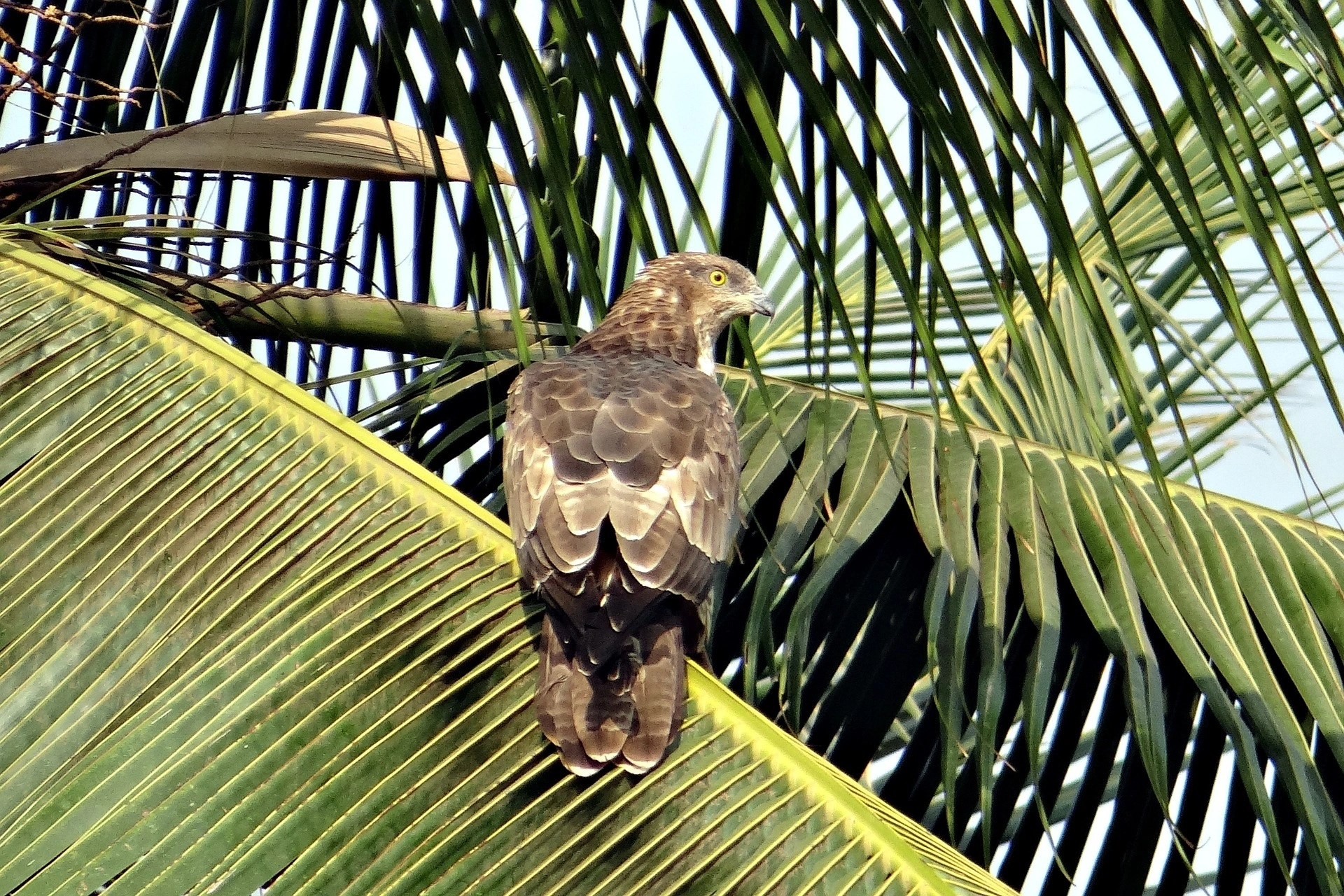
Japanese Garden at Seminary Hills supports a delightful mix of familiar urban birds and woodland-edge species, making it one of Nagpur’s most enjoyable spots for casual birdwatching. With around 170 bird species recorded from the broader Seminary Hills landscape, the area offers far more than a typical city garden, blending ornamental greenery with the ecological richness of surrounding hill habitat. Commonly seen species include the Red-vented Bulbul, House Sparrow, Common Myna, Jungle Babbler, and Laughing Dove, while brighter birds such as the Rose-ringed Parakeet, Purple Sunbird, Asian Koel, and Indian Golden Oriole add colour and seasonal charm. The garden and its wooded edges also support species like the Coppersmith Barbet, Oriental Magpie-Robin, Common Tailorbird, Ashy Prinia, Indian Robin, Black Drongo, and Shikra, with occasional highlights such as the White-throated Kingfisher, Spotted Owlet, Red-wattled Lapwing, and the shy Painted Francolin—all of which make this green pocket an exciting and accessible destination for birders of all levels.