
Loading Events

Bird walk at Sims Park, Conoor, Tamil Nadu

About Sims Park

Perched at 1,780 metres in the mist-covered hills of upper Coonoor, Sim’s Park is one of South India’s oldest botanical gardens, a living collection of over a thousand plant species from four continents, set across 12 hectares of sloping Nilgiri terrain. Established in 1874, the park is a mosaic of habitats: shola-fringed hollows, a central boating lake, towering canopy formed by century-old exotics, and terraced rose gardens that shift with the seasons. Magnolias, tree ferns, camellias, Rudraksha trees, and Canary Island pines grow side by side in a botanical archive that has been quietly accumulating for over 150 years.

For wildlife and birdwatching, Sim’s Park punches well above its size. The Malabar Giant Squirrel vaults through the upper canopy, butterflies work the flower beds, and the park’s urban familiarity makes animals unusually approachable. Birders will find several Nilgiri endemics in surprisingly easy view, the cobalt Nilgiri Flycatcher, Black-and-Orange Flycatcher, Nilgiri Wood-Pigeon, and Indian Blackbird among them, with winter bringing migrants like the Common Rosefinch. The park faces pressures from growing visitor numbers, pond pollution, and encroaching urban development, but it remains one of the Nilgiris’ most rewarding and accessible natural destinations.

Partnered with

Bird Guide - Ajithkumar

A passionate wildlife photographer and nature lover with strong field observation skills and deep interest in bird behavior and habitats. Experienced in outdoor exploration with excellent patience, identification ability, and enthusiasm to guide and educate birding enthusiasts.

Bird walk Location

Common birds of Sims Park

Sims Park and its surrounding Nilgiri slopes host a delightful mix of forest specialists and charismatic hill birds, making every walk through its shaded paths full of surprises. The endemic Nilgiri Wood-Pigeon and Nilgiri Laughingthrush are among the most treasured sightings, representing the unique biodiversity of these high-elevation forests. Bright flashes of color often come from Orange Minivets moving gracefully through the canopy, while the musical calls of White-cheeked Barbets and Red-whiskered Bulbuls echo through the trees. Smaller birds like Indian White-eyes, Greenish Warblers, and Spot-breasted Fantails bring constant movement and energy, flitting through foliage in search of insects. The park’s mature trees and dense vegetation also support larger and more secretive species. The powerful Brown Fish-Owl may be found resting silently during the day, while the agile Crested Goshawk patrols the canopy in search of prey. Ground dwellers like Gray Junglefowl and Indian Blackbirds thrive in the understory, and occasional visits from species like Gray Wagtails and Common Rosefinches add seasonal interest. Together, these birds create a rich and immersive birding experience, reflecting the ecological richness of the Nilgiris and making Sims Park a rewarding destination for both beginners and experienced birdwatchers.
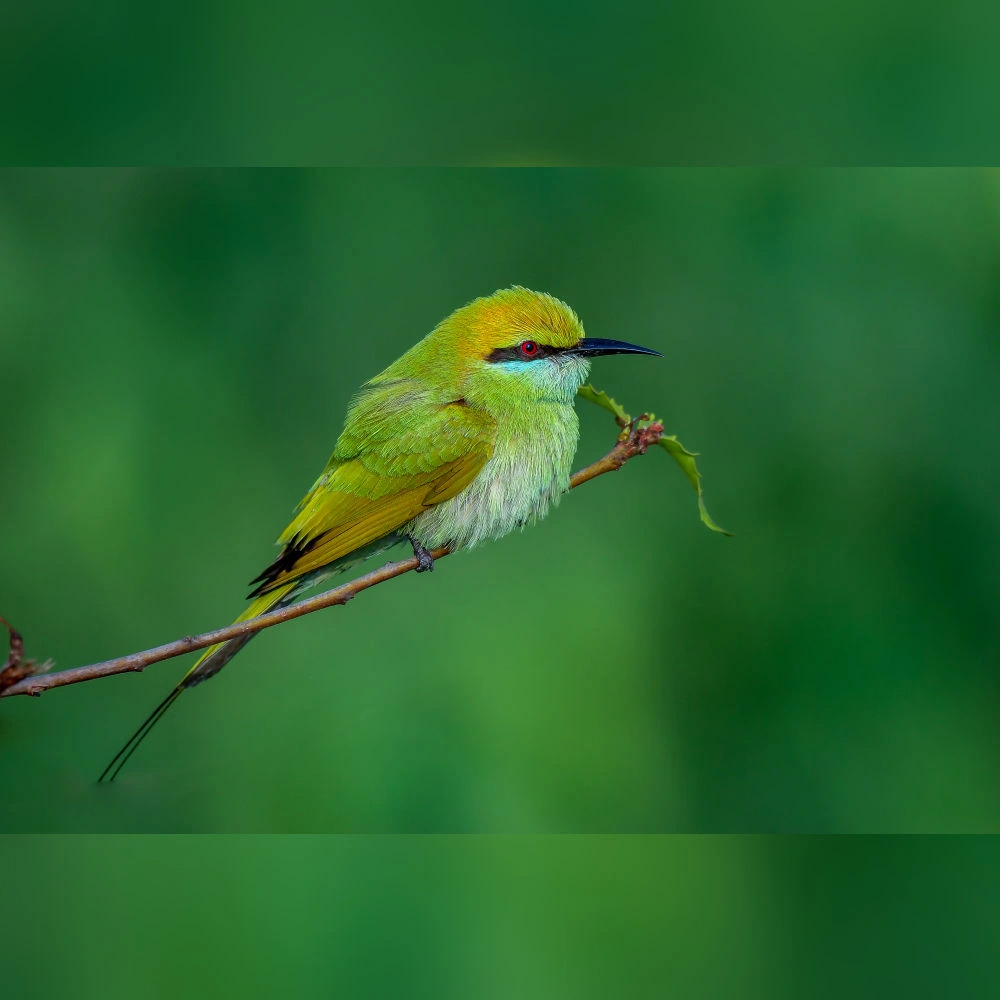
Asian Green Bee-eater
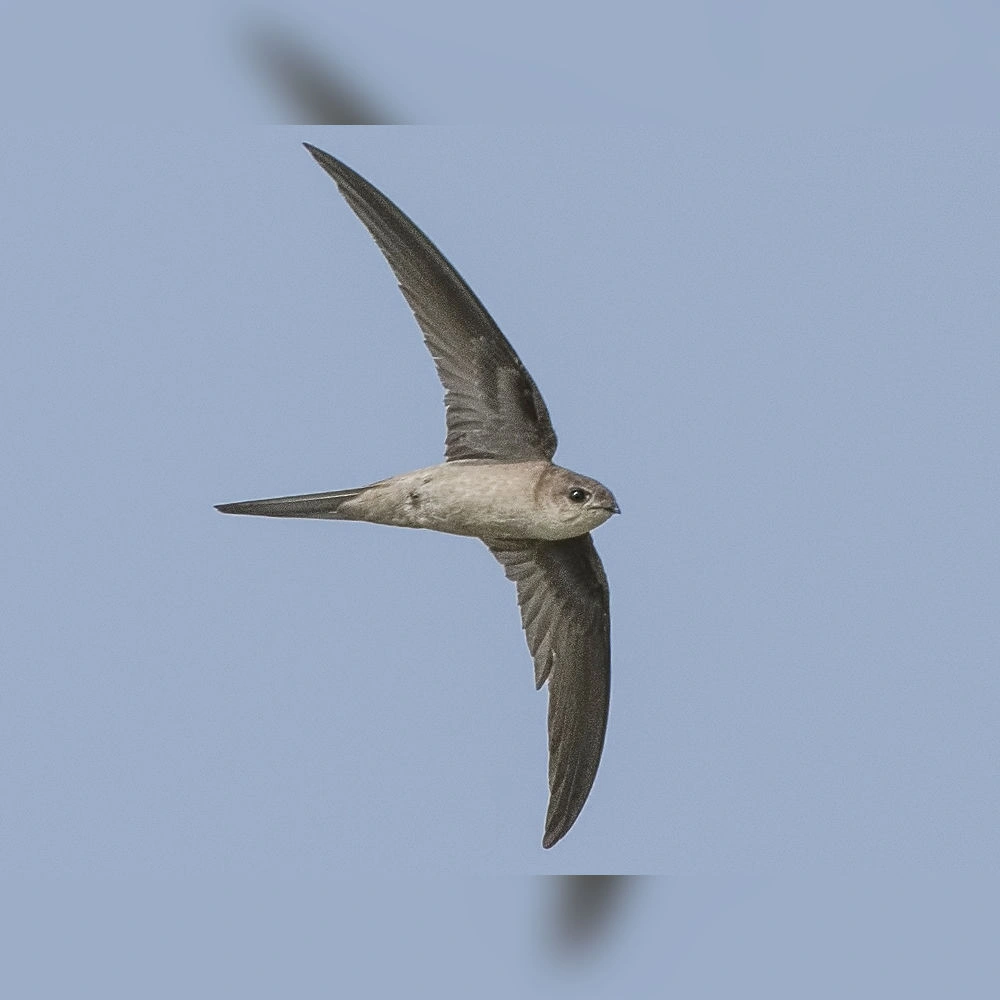
Asian Palm Swift
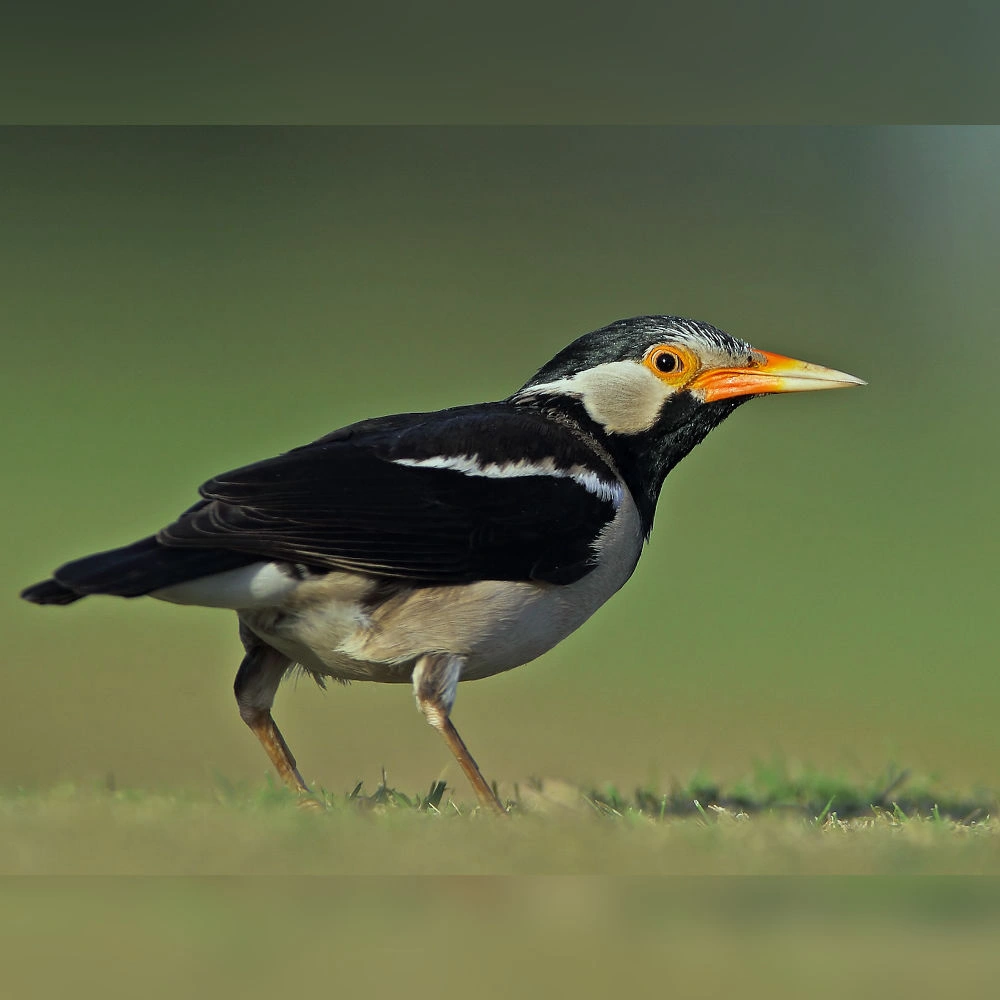
Asian Pied Starling
Glossy Ibis
Wire-tailed Swallow
Common Sandpiper
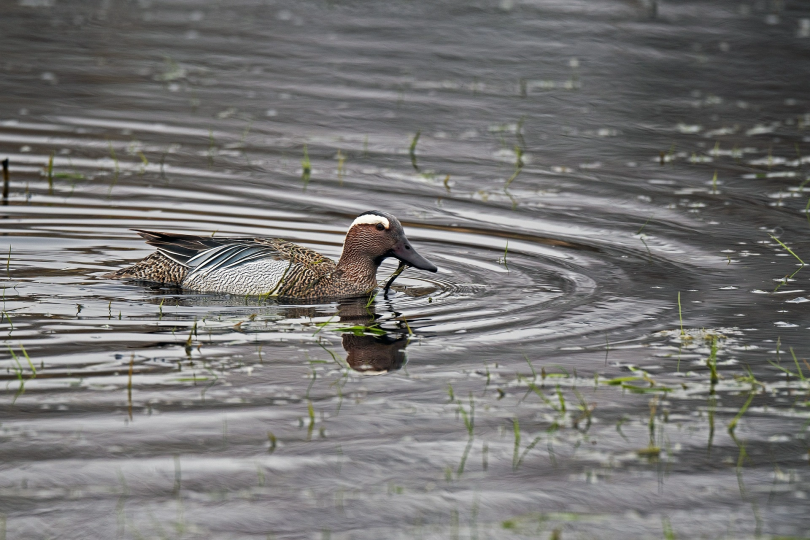
Garganey
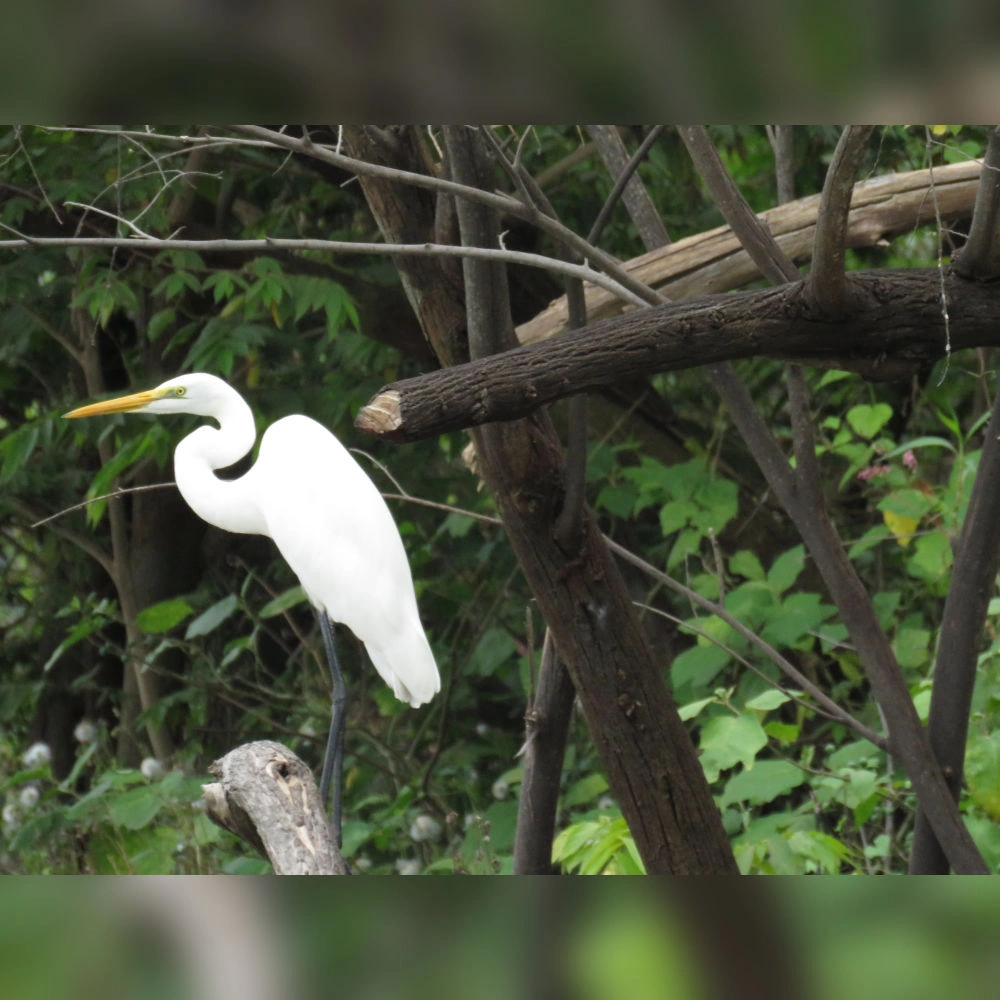
Great Egret
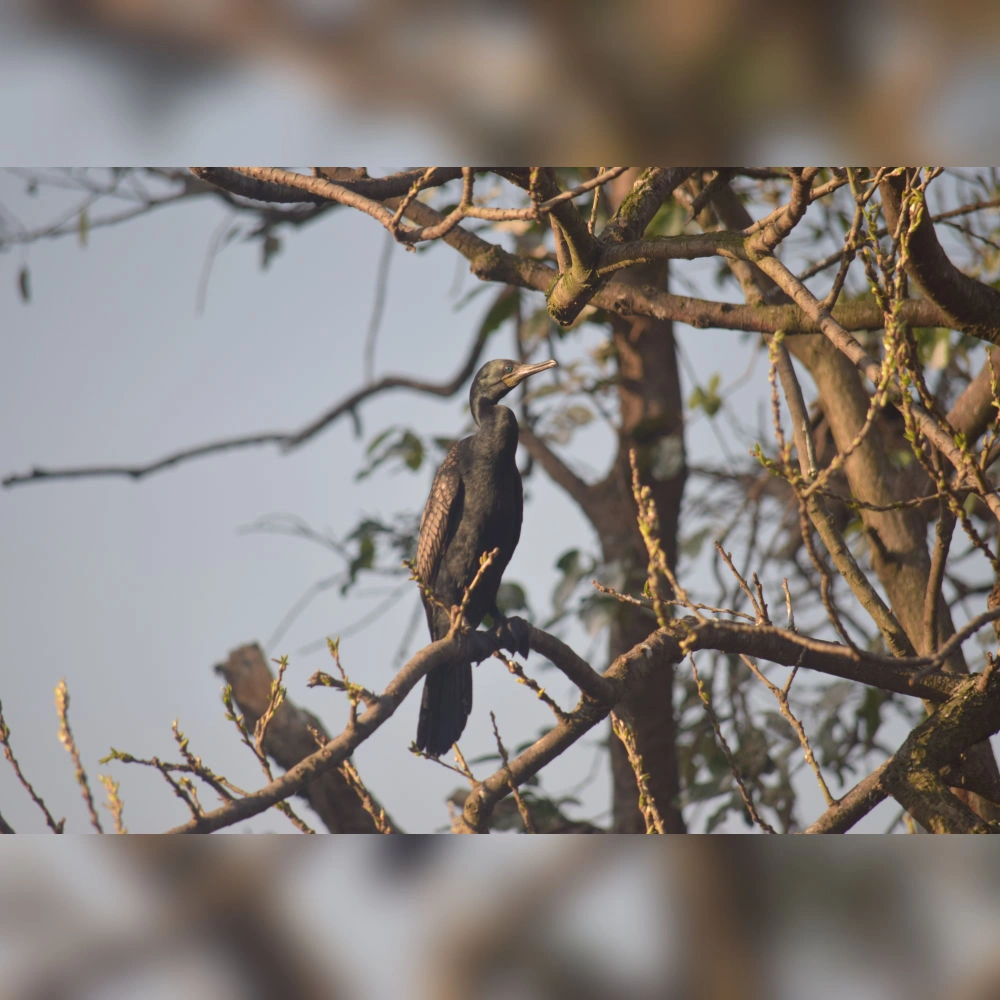
Indian Cormorant
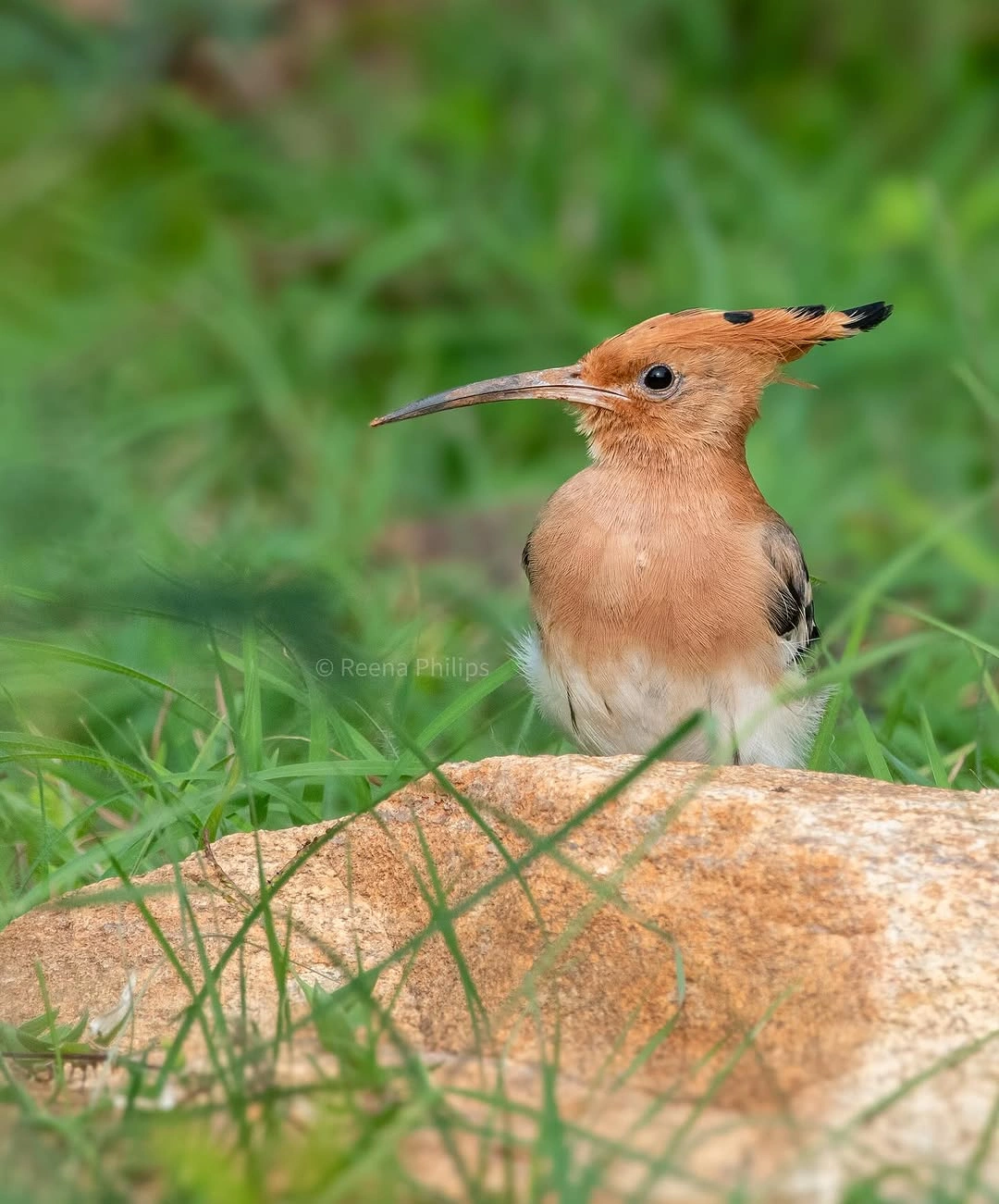
Common Hoopoe
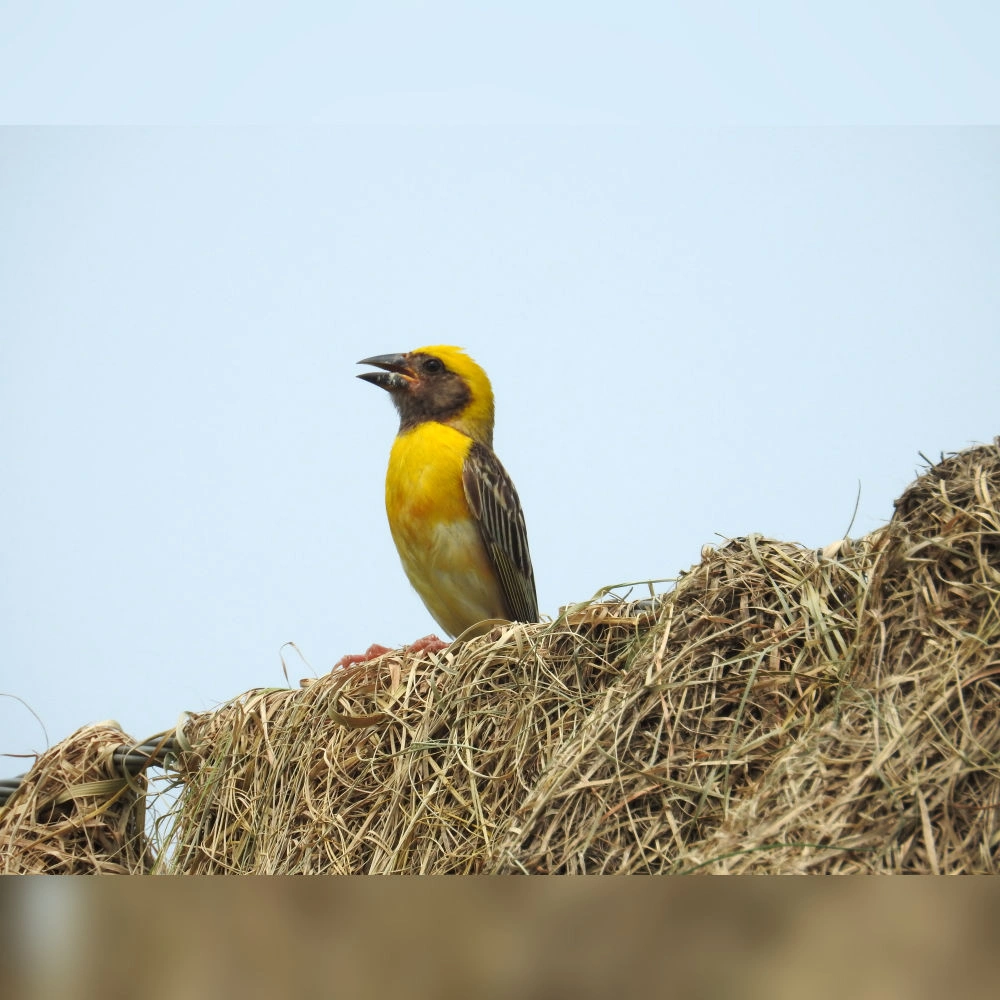
Baya Weaver
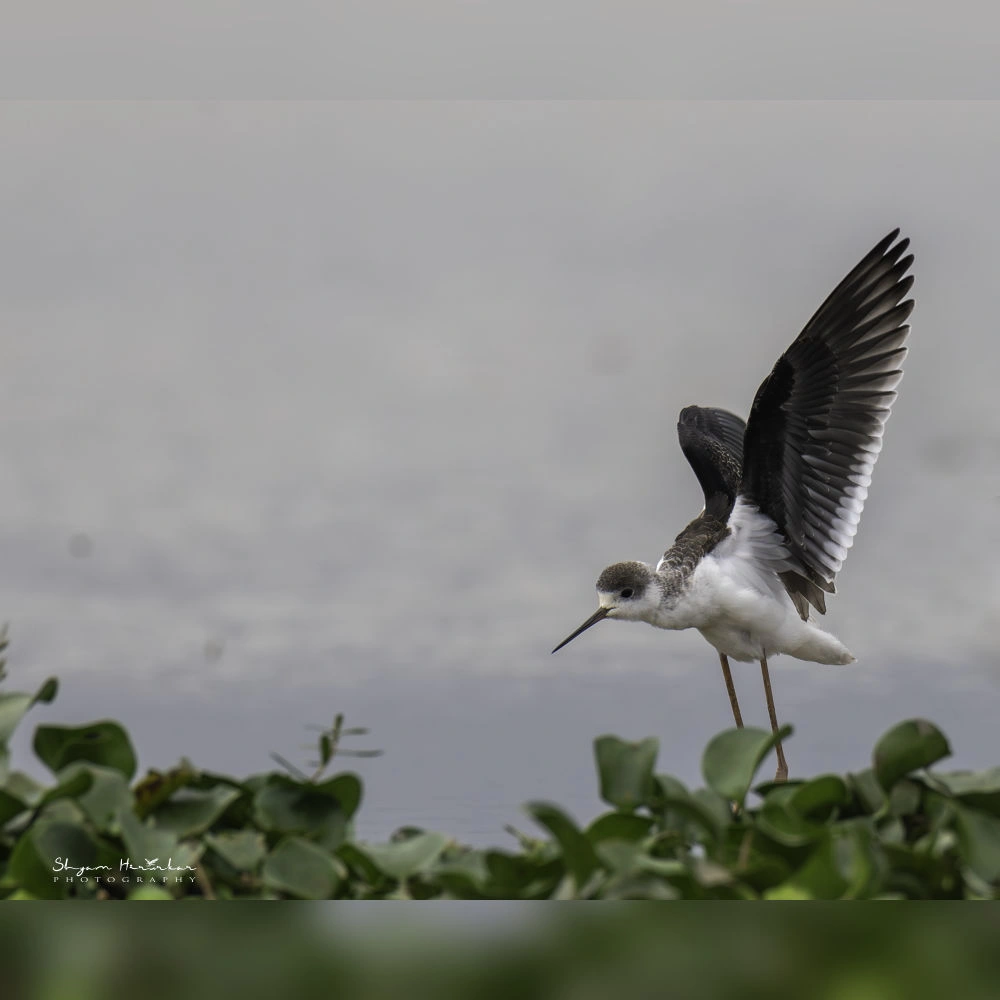
Black-winged Stilt
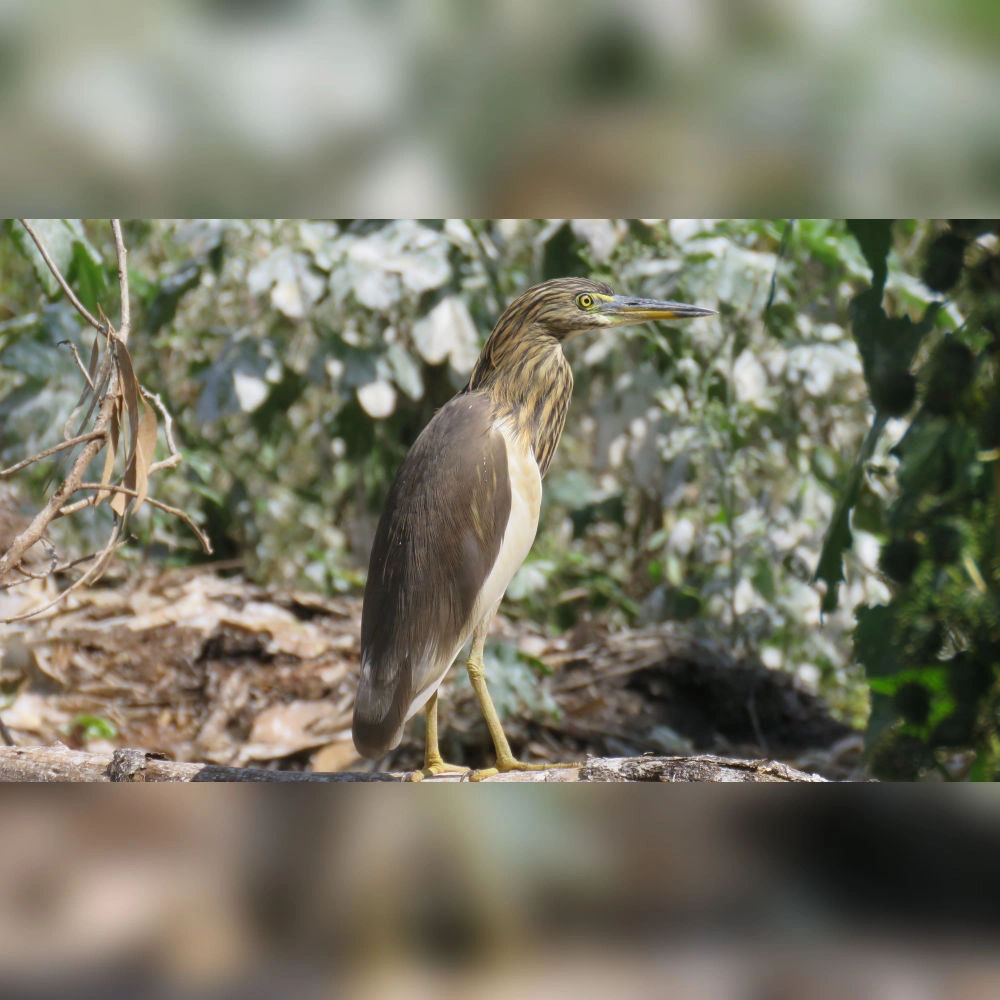
Pond Heron
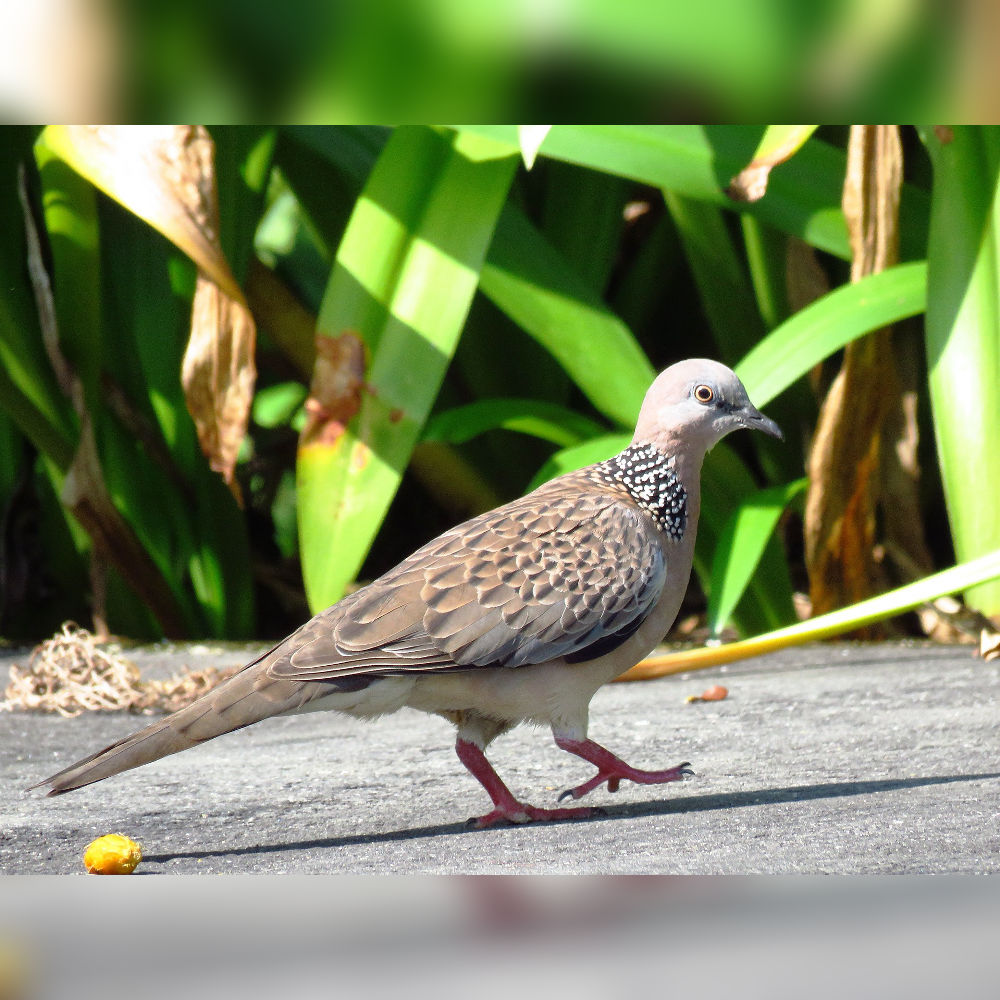
Spotted Dove
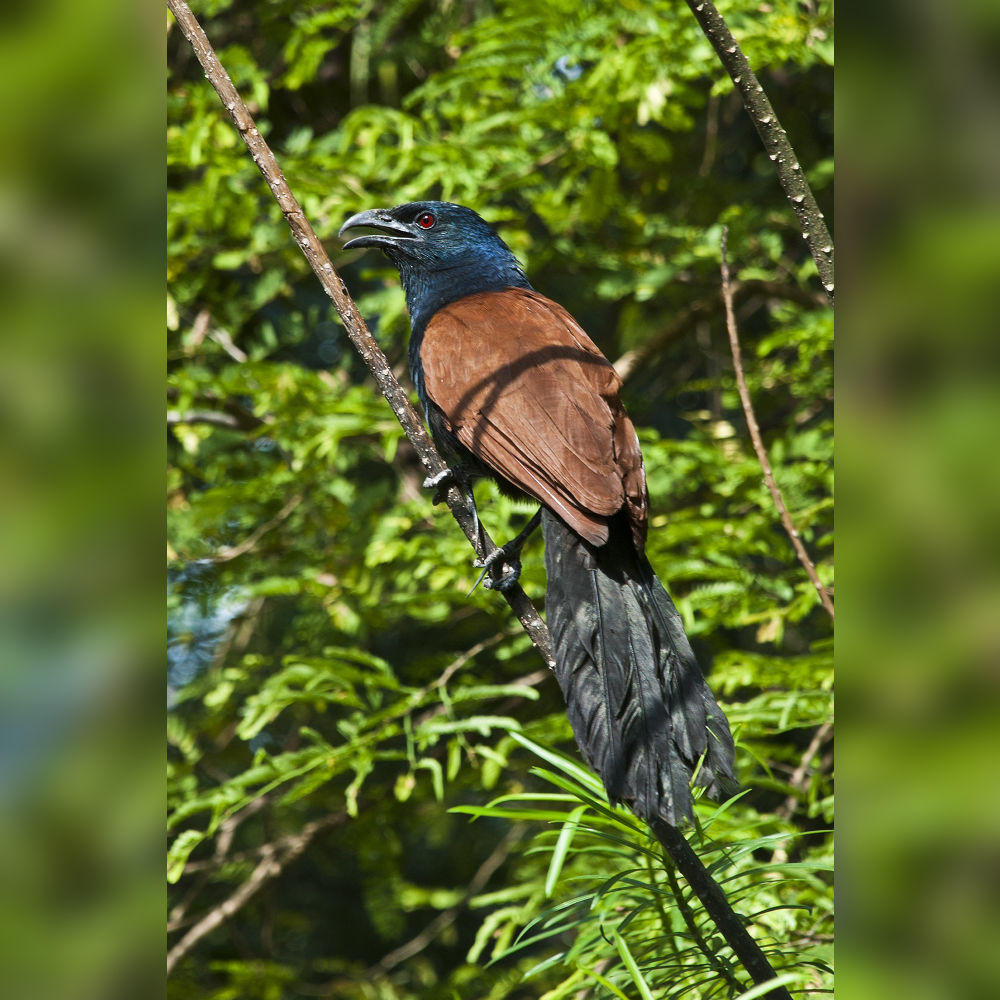
Greater Coucal
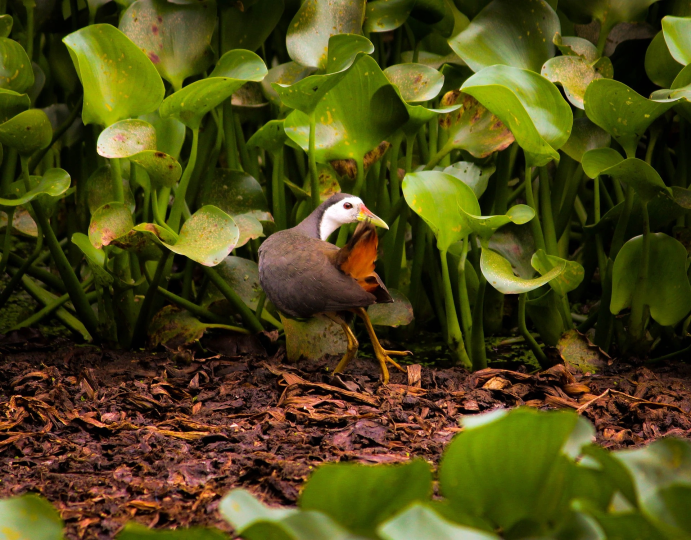
White-breasted Waterhen
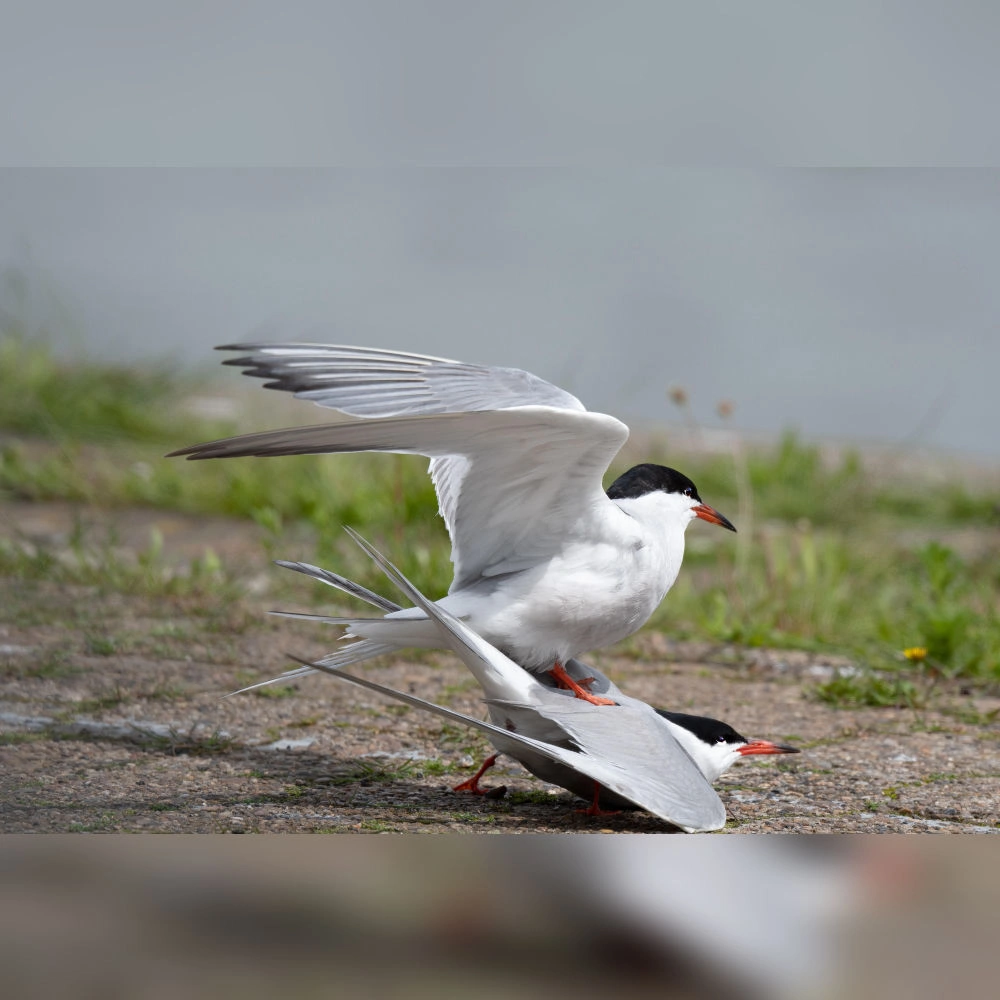
River Tern
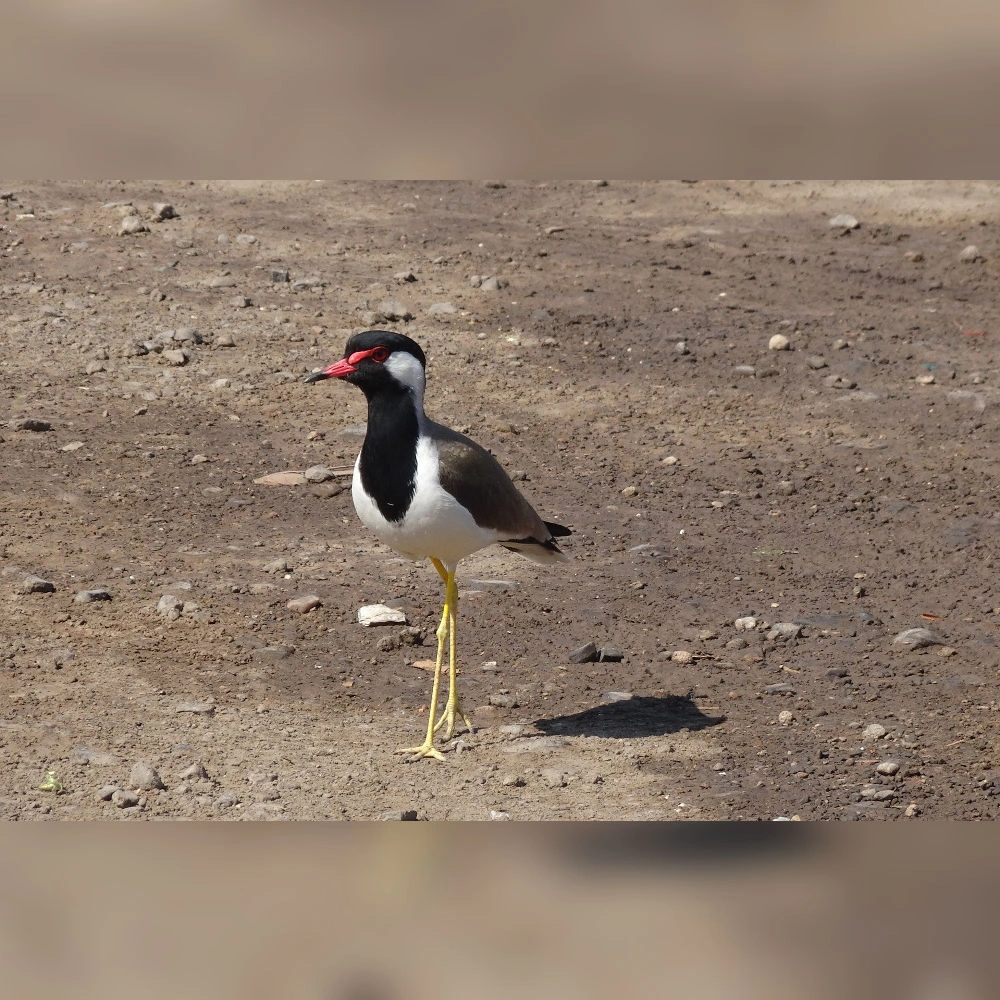
Red-wattled Lapwing
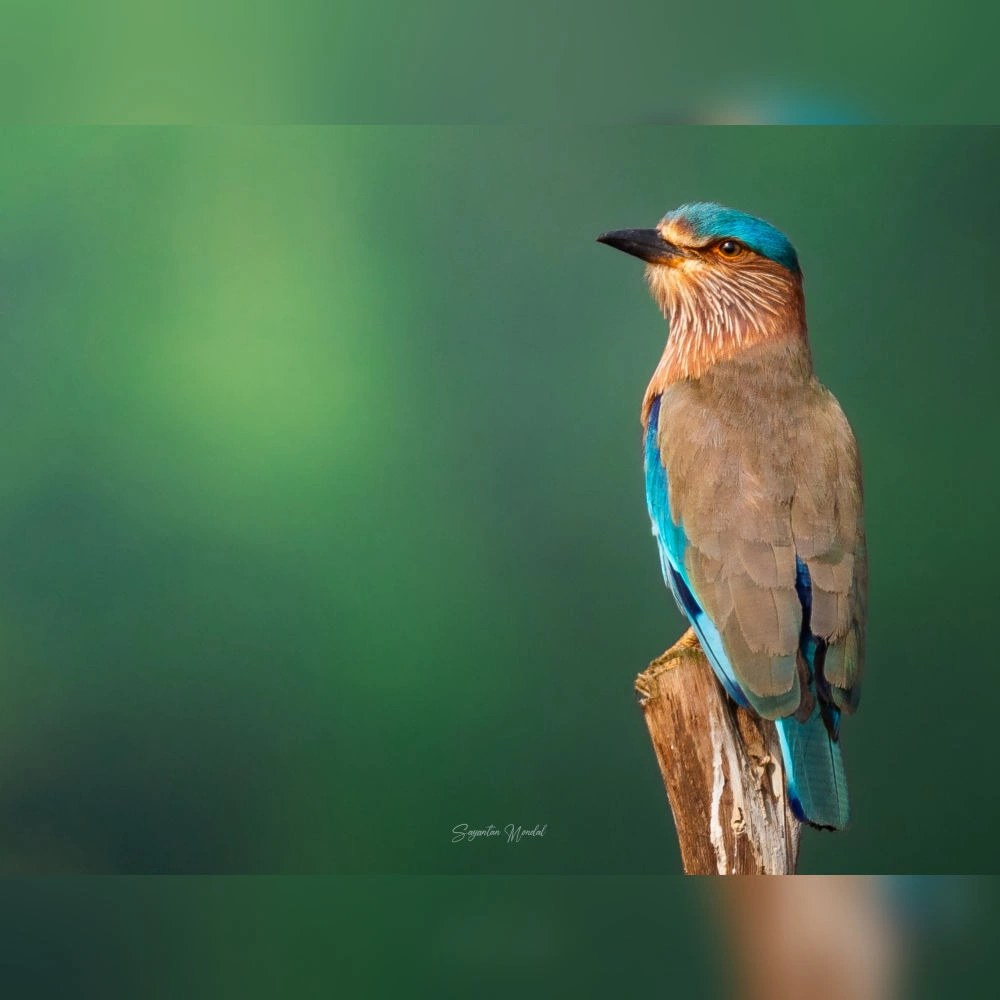
Indian Roller
House Sparrow

Scroll to Top